
Picking
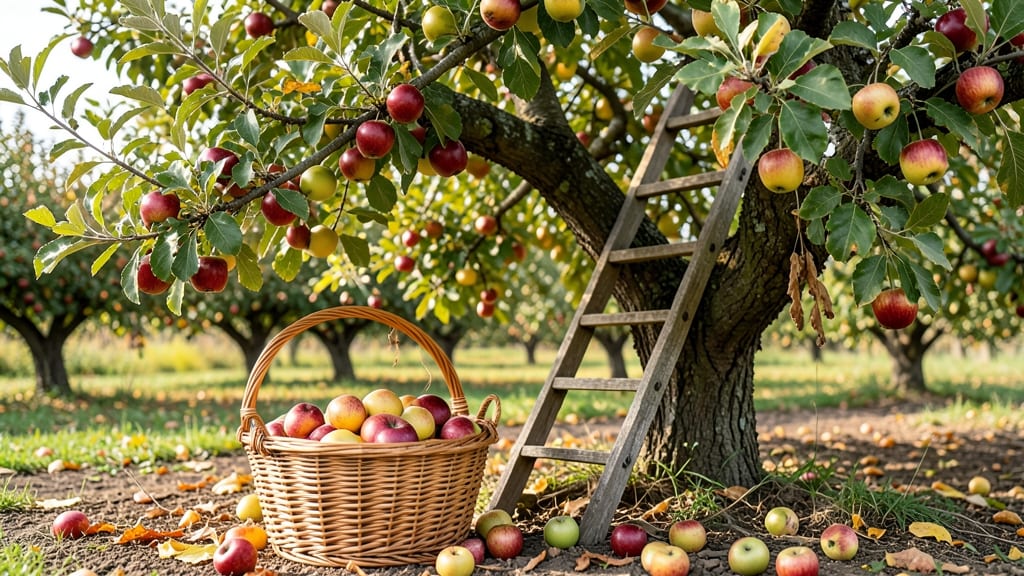
Timing your apple harvest season right is the difference between juicy, sweet fruit and bitter, mealy apples that never reach their full potential.
Picture this: you’ve spent months tending to your 🍎 tree, and now the moment of truth arrives. One wrong move—harvesting too early or too late—and you’re left with fruit that won’t store, won’t taste right, or worse, falls to the ground before you can pick it.
The stakes are higher than you think, especially when regional climates shift harvest windows by weeks.
In Zone 6a, where many home gardeners grow their trees, the ideal harvest stretches from late August through October—but that’s just the starting point. Early varieties like ‘McIntosh’ might be ready by mid-summer, while late-season apples like ‘Granny Smith’ could hang until November.
The key? Knowing the exact ripeness cues—color shifts, stem separation, and even a gentle thump test—to lock in peak flavor.
Below, I’ll break down the zone-by-zone harvest calendar, the 5 foolproof ripeness tests (beyond just color), and how to store your harvest for months—so you’re not left with a pile of apples that go bad before you can enjoy them.

Exact apple harvest months by USDA growing zone (with ripeness indicators)
Knowing the precise harvest window for your apples is everything—miss it by even a week, and you risk sour, mealy fruit or apples that rot on the tree.
The USDA growing zone you live in dictates when your apple varieties reach peak ripeness, from early July harvests in Zone 10 to late October picks in Zone 3. Below, I’ve broken down the exact months for each zone, plus the 3 key ripeness indicators you must check before harvesting.
For Zone 3-5, where winters are harsh, focus on late-season varieties like Honeycrisp or McIntosh, which ripen in September-October after a long growing season.
In warmer Zones 8-11, early varieties like Anna or Dorsett Golden mature as early as June-July, while late varieties like Fuji stretch harvests into November. The trick? Monitor ripeness daily in the weeks leading up to your zone’s typical harvest window.
📌 PRO TIP: Storage apples (like Granny Smith or Rome) need to ripen fully on the tree—they won’t sweeten after picking. Eat-apples (like Gala) can be harvested slightly earlier for peak flavor.
| USDA Zone | Harvest Window | Early Varieties | Mid-Season | Late Varieties | Ripeness Test |
|---|---|---|---|---|---|
| 3-4 | Late Sept-Oct | McIntosh | Honeycrisp | Cortland | Stem snaps cleanly |
| 5-6 | Mid-Sept-Oct | Gala | Fuji | Granny Smith | Skin deepens to full color |
| 7-8 | Aug-Sept | Anna | Braeburn | Pink Lady | Fruit yields to gentle pressure |
| 9-10 | June-Aug | Dorsett Golden | Golden Delicious | Ambrosia | Stem end browns |
| 11 | May-June | Anna | Ein Shemer | — | Sweet aroma at stem |
In Zone 3-4, where frosts arrive early, prioritize late-season varieties like Cortland or Northern Spy.
These hold firmness longer and store well through winter. Harvest them in late September when nights dip below 50°F (10°C), signaling the tree’s shift into dormancy. Never harvest after the first frost—it turns fruit mushy and unappetizing.
For Zones 5-7, where harvests span September-October, mix early eaters (like Gala) with storage varieties (like Fuji). Use the
5 Signs your apples are ready for harvest (beyond just color)
Harvesting apples at the perfect moment means the difference between sweet, crisp fruit and mealy, flavorless disappointment. While color is a clue, it’s not the only indicator—especially for storage varieties that need extra time to mature.
I’ve learned the hard way that relying on color alone can lead to apples that spoil too quickly or lack full flavor. Let’s dive into the science-backed signs that tell you your apples are truly ready.
First, don’t overlook the stem detachment test, a foolproof method I’ve used for years. When you gently twist an apple at its stem, it should separate cleanly from the tree—no resistance, no tearing. If it holds on tight, your apples need more time.
This test works for 90% of apple varieties, including Honeycrisp and Fuji. Pair this with the fruit firmness check: press near the stem with your thumb. If it yields slightly (like a ripe peach), it’s ready.
- 🌿 Stem Test: Twist gently—stem should detach cleanly from the tree.
- 🍏 Firmness: Press near stem; fruit should yield slightly (not rock-hard or mushy).
- 🌱 Seed Color: Cut an apple open—seeds should be deep brown, not white or pale.
- 🔊 Thump Test: Tap apples together; ready fruit makes a hollow sound (like a drum).
- 📏 Size & Shape: Apples should match their variety’s mature size (e.g., 2.5–4 inches).
Next, check the seed color inside your apples. Slice one open and look at the seeds—ready-to-harvest apples have deep brown seeds. If they’re still white or pale, your fruit needs more time on the tree.
This trick works especially well for late-season varieties like Braeburn or Cortland, which often look ripe on the outside but aren’t fully mature inside.
The thump test is another trick I swear by, especially for large apples like Gala or Pink Lady. Hold two apples together and tap them gently—they should make a hollow, drum-like sound. If they sound dull, they’re not ready.
This test helps distinguish between firm-but-ripe and hard-but-underripe fruit. Pair it with the size check: apples should reach their variety’s standard diameter (e.g., 3 inches for Honeycrisp).
Avoid the mistake of harvesting too early for storage varieties. I once picked Granny Smiths when they were green, only to have them spoil within weeks. Storage apples need full color development + firmness—wait until they’re fully colored and slightly soft to the touch.
For eating apples (like McIntosh), you can harvest slightly earlier, but even then, prioritize the stem test and seed color.
Finally, pay attention to your local climate. In cooler zones (like 4–6), apples may ripen earlier than in warmer zones (7–9). If you’re in doubt, harvest a few test apples and store them at room temperature for 3–5 days.
If they soften and develop full flavor, the rest of your crop is ready. When in doubt, wait—overripe apples fall off the tree naturally, but you can’t bring underripe ones back to perfection.