
Picking
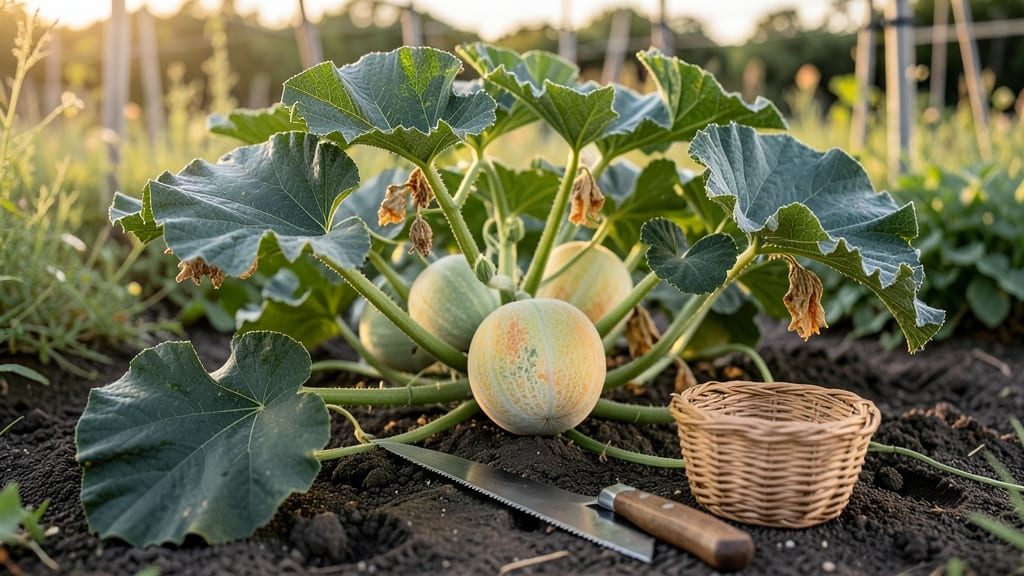
Cantaloupe is in season right now in most regions, typically peaking from late spring to early fall (May through September), though exact timing varies by climate zone—warmer areas like Florida enjoy year-round harvests while northern states see shorter seasons. Check local farmers' markets for peak ripeness and flavor.
Right now, cantaloupe is hitting peak freshness across much of the U.S., especially in Southern and Midwestern states where warm weather accelerates ripening. 🌞 The key difference between regions? Southern growers can harvest continuously, while Northern farms may only get 2-3 months of prime melons before frost.
I always recommend buying from local stands during these months—the flavor and texture are noticeably sweeter than off-season imports.
What makes this season special is how quickly cantaloupe ripens when temperatures stay above 70°F. That's why California and Florida can grow them year-round, while states like New York get just a 2-month window in late summer.
Pro tip: Look for melons with a strong, sweet aroma at the stem—this is the #1 sign of ripeness, even better than color alone.
💡 In This Article
- Cantaloupe Season by U.S. Growing Regions
- How to Pick Perfectly Ripe Cantaloupe Any Time of Year
Cantaloupe season by U.s. growing regions
The cantaloupe growing season varies dramatically across the U.S. due to temperature and frost sensitivity. In Southern states like Florida, Georgia, and Texas, warm winters allow for year-round production, with peak harvests from March through November. These regions can grow both early and late varieties, extending the season.
Meanwhile, Midwestern states such as Indiana and Illinois see their main harvest from June to August, when daytime temperatures consistently stay above 75°F—the ideal range for ripening.
Northern states face the biggest challenges due to frost. In New York, Pennsylvania, and the Pacific Northwest, cantaloupe season typically lasts just 2-3 months (July through early September). The melons need at least 90 days of warm weather to mature, so early frosts cut the season short.
California stands out as an exception, with harvests stretching from March to October thanks to its diverse climates—coastal areas stay mild year-round, while inland valleys get intense summer heat.
Temperature is the critical factor determining cantaloupe season length. The vines thrive in 70-90°F conditions but struggle below 55°F, which slows growth and sweetness development. That’s why Southern states can grow cantaloupe continuously, while Northern farmers rely on fast-maturing varieties to squeeze in a harvest before frost.
For example, ‘Athena’ and ‘Hale’s Best’ varieties mature in just 70 days, making them popular in cooler regions.
What most people don’t realize is how humidity impacts ripeness. High humidity (common in Southern states) can lead to softer, less sweet melons, while dry climates (like Arizona) produce firmer, sweeter fruit.
That’s why cantaloupe from California’s Central Valley is often considered the gold standard—its arid conditions create the perfect balance of sweetness and texture. 🌵
Frost dates are the ultimate limiting factor. The first frost in October or November signals the end of the season for Northern growers, while Southern farms can keep producing until cold snaps arrive in December or January.
This regional variation is why you’ll see cantaloupe at farmers' markets year-round in Florida but only in summer in Minnesota. Knowing your region’s frost dates helps predict when to expect the freshest, most flavorful melons.
Consider these key growing regions and their typical cantaloupe seasons:
- Southern states (FL, GA, TX): Year-round, peaking March-November
- Midwest (IN, IL, OH): June-August, frost-sensitive
- West Coast (CA, AZ): March-October, diverse climates
- Northeast (NY, PA): July-September, short window