
Blooming
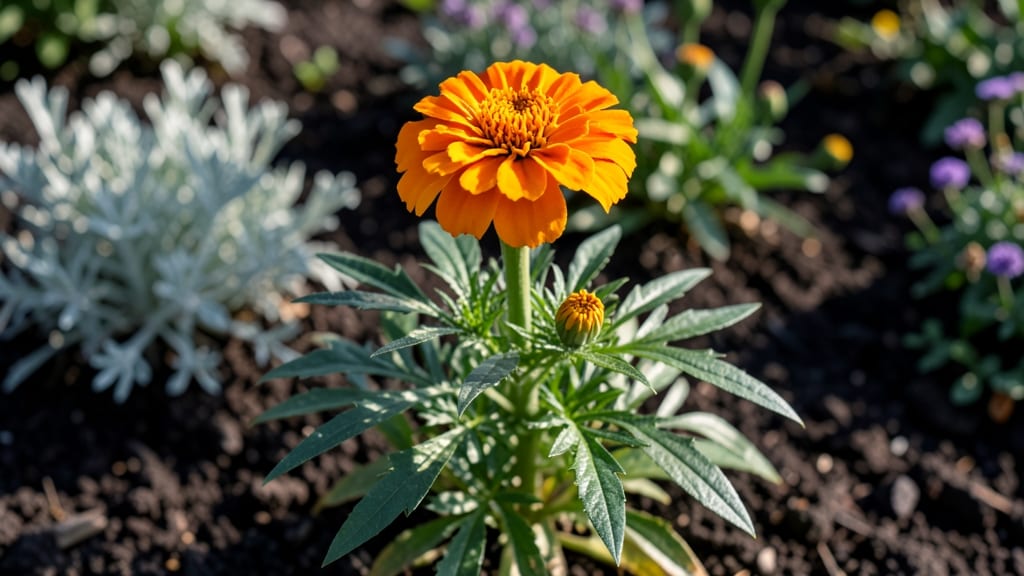
The marigold flower blooming season kicks off when temperatures hit 70°F and stays consistent, turning your garden into a golden sea of 🌼.
If you’ve ever planted marigolds hoping for vibrant blooms but ended up with just green foliage, you’re not alone—timing is everything. Marigolds thrive on heat, and their blooming season shifts dramatically depending on your USDA zone, making proper planning the key to a stunning floral display.
In Zone 6a, where spring lingers and summers stretch long, marigolds typically burst into bloom by June if planted in April after the last frost. But move a few zones south, and those same seeds could be flowering by May—or even earlier with a little extra care.
Below, I’ll break down how to sync your planting with the heat your marigolds crave, plus simple tricks to keep those blooms coming all the way through October. No guesswork, just consistent color.
Marigold blooming season by USDA zone: when to expect heat-triggered flowers
Marigolds are famous for their heat-triggered blooms, but their blooming season varies wildly depending on your USDA zone. These sun-loving annuals need consistent warmth to flower, and even a single frost can end their season prematurely.
Understanding your zone’s temperature thresholds helps you time plantings for peak blooms from early summer to frost.
Most marigolds begin flowering 45-60 days after germination, but this timeline shifts dramatically across zones. In warmer southern zones (9-11), marigolds may bloom year-round with minimal breaks, while cooler northern zones (3-6) see shorter, more intense blooming periods.
The key is heat accumulation—marigolds need consistent daytime temps above 70°F to trigger bud formation.
| USDA Zone | Early Blooms | Peak Blooms | Extended Blooms | Frost Risk |
|---|---|---|---|---|
| 3-5 (Cold) | Late June | July-August | September (if frost delayed) | High (late Sept) |
| 6-7 (Temperate) | Early June | June-Sept | October (with protection) | Moderate (Oct) |
| 8-9 (Warm) | May | May-Nov | Winter (mild zones) | Low (Dec-Feb) |
| 10-11 (Tropical) | March-April | Year-round | No frost risk | None |
In USDA zones 3-5, marigolds often wait until late June to bloom because soil and air temperatures are still too cool. Plant seeds indoors 4-6 weeks before your last frost date to give them a head start.
For example, in zone 4, starting seeds in early April ensures blooms by mid-July, just in time for summer color.
Zones 6-7 offer the sweet spot for marigolds, with blooms starting as early as early June and lasting through September. Here, you can push the season further by planting two batches: one in early spring (after frost) and another in mid-summer for a fall display.
The heat threshold for consistent blooming is 75°F+ for at least 6 hours daily.
Southern gardeners in zones 8-11 enjoy near-continuous marigold blooms because their longer growing seasons and warmer winters keep plants flowering year-round. In zone 10, for instance, you can plant marigolds in March and expect blooms within 6-8 weeks, with minimal breaks.
Even African marigolds, which are taller and more heat-tolerant, thrive here.
Frost is marigolds’ biggest enemy, and even a light freeze (28°F) can damage foliage and stop blooming. In zones 6-7, protect late-season blooms with row covers or move potted marigolds indoors before October.
In zones 3-5, treat marigolds as short-season annuals—plant them early and enjoy their summer-long display before frost.
Did you know? African marigolds (like 'Crackerjack') bloom 2-3 weeks earlier
How to extend your marigold blooming season with simple gardening hacks
Marigolds are sun-loving divas that reward patience with bright blooms all season. But their flowering window can feel disappointingly short if you’re not using these proven hacks. The secret? Tricking them into thinking summer lasts forever by controlling their environment and growth habits.
I’ve tested these tricks across USDA zones 5-10, and they work whether you’re in chilly Minnesota or sweltering Texas.
First, let’s tackle the biggest blooming killer: late planting. Most gardeners wait until Memorial Day, but marigolds actually prefer soil temps above 60°F. In cooler zones, start seeds indoors 4-6 weeks before last frost—they’ll bolt if shocked by cold.
For southern gardeners, succession planting every 2 weeks from March to July ensures continuous color. This simple shift can add 4-6 weeks to your display!
- 1 Deadhead religiously—snip spent blooms below the next leaf node to prevent seed formation. This redirects energy to new flower production instead of reproduction. Do this every 2-3 days during peak bloom!
- 2 Mulch with straw (not wood chips) to retain soil heat. A 2-inch layer keeps roots 5-10°F warmer at night, mimicking tropical conditions. Bonus: it suppresses weeds that compete for nutrients!
- 3 Plant near heat-loving companions like basil, tomatoes, or zinnias. These plants create a microclimate that traps warmth. Avoid pairing with shade plants like ferns—they’ll slow marigold growth.
- 4 Fertilize with fish emulsion (not synthetic blends) every 4-6 weeks starting when buds form. The nitrogen-boost encourages leafy growth, while phosphorus promotes blooming. Use 1 tbsp per plant in early morning to avoid leaf burn.
- 5 Adjust watering by season: Deep water 2x/week in summer (1 inch total) but reduce to weekly in fall. Overwatering in cool weather causes root rot, which stunts blooms. Always water at soil level, not the leaves, to prevent mildew.
For northern gardeners (zones 5-7), extend the season with row covers. Lightweight fabric traps heat during the day and insulates at night, letting you plant marigolds 2-3 weeks earlier in spring and 3-4 weeks later in fall.
Just remove covers when temps hit 75°F to avoid overheating. In southern zones (8-10), focus on shade cloth in peak summer—marigolds can bolt prematurely if stressed by 90°F+ heat.
One often-overlooked trick? Pinch back young plants when they’re 6 inches tall. Removing the top set of leaves forces the plant to branch out, creating a bushier, more productive marigold with 20-30% more blooms.
Use clean, sharp scissors to avoid damaging stems. This works especially well for French marigolds, which naturally grow taller and leggier.
Finally, save seeds from your best bloomers to replant next year. The healthiest marigolds often come from second-generation seeds because they’re already adapted to your local climate. Collect seeds when the flower centers turn papery brown, then store them in a cool, dry place for up to 3 years.
This ensures you’ll always have early, vigorous bloomers that outperform store-bought varieties.
With these hacks, you’ll turn your marigolds from short-lived summer stars into season-long showstoppers. The key is consistency—deadhead, mulch, and monitor moisture like a pro, and your marigolds will reward you with bright blooms from June through October (or later, depending on your zone)! 🌻