
Flowers
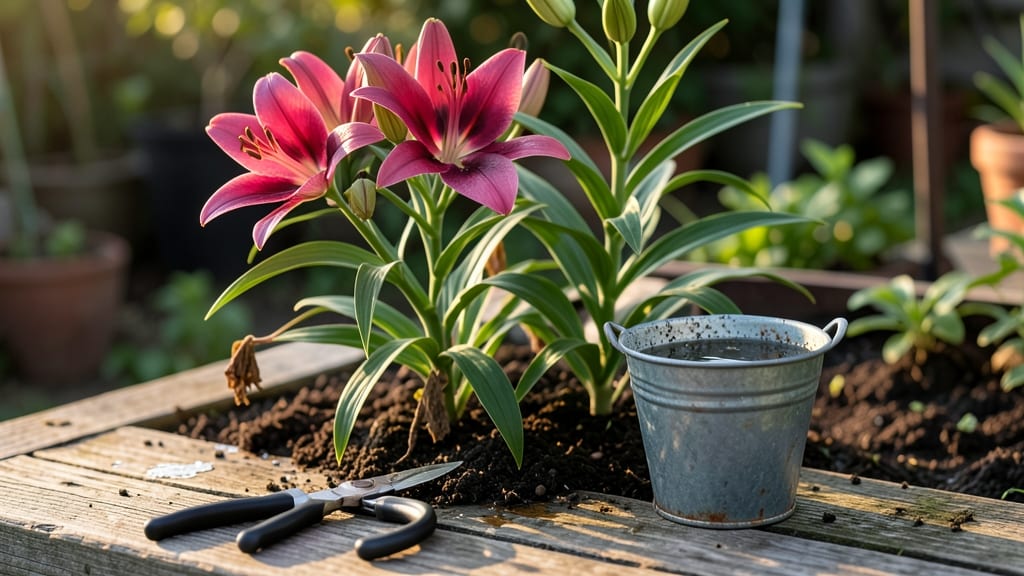
Right now, lilies are in season across most regions from May through September, though their peak bloom periods shift based on variety—Asiatic lilies light up late spring, Oriental lilies dominate summer, and trumpet lilies often linger into early fall. Your local USDA zone determines exact timing, with northern areas seeing delayed blooms compared to southern climates.
Right now, you're likely in the heart of lily season if you're in the U.S., though the exact timing depends on where you live. 🌸 For example, gardeners in Zone 5 might see Asiatic lilies opening by early June, while those in Zone 9 could enjoy trumpet lilies well into October.
The key difference comes down to temperature sensitivity—Oriental lilies need consistent warmth to bloom, which is why they peak later in cooler climates. I always check my local nursery's bloom reports or historical data from the USDA Plant Hardiness Map to plan my garden visits.
What's interesting is how microclimates can shift bloom times by weeks. A sunny south-facing slope might push lilies into bloom earlier than the surrounding area, while shaded spots could delay them.
If you're eager to extend your lilies' season, focus on soil prep—well-draining, slightly acidic soil (pH 6.0-7.0) helps roots establish faster, which translates to earlier and longer blooms. I've found that mulching with compost in early spring gives lilies a head start.
💡 In This Article
- Lily Bloom Seasons by Variety and Climate Zone
- How to Extend Lily Blooms Beyond Peak Season
Lily bloom seasons by variety and climate Zone
The timing of lily blooms isn't random—it's governed by a combination of genetics and environmental cues. Asiatic lilies, for instance, are early bloomers because they evolved in cooler, temperate climates where spring arrives abruptly.
Their buds respond to consistent soil temperatures above 50°F, which typically happens by late May in most U.S. zones.
Oriental lilies, on the other hand, need prolonged warmth to trigger flowering, which is why their peak occurs in midsummer (June-July) when daytime temperatures consistently exceed 75°F for at least 2 weeks.
Your USDA zone plays a critical role in bloom timing because it reflects average frost dates and growing degree days—the accumulated heat plants need to mature.
For example, in Zone 3 (like Minnesota), trumpet lilies might not bloom until late July, while in Zone 9 (like Southern California), they could start as early as May.
What's fascinating is how altitude creates microclimates: a garden at 5,000 feet elevation might experience a 2-3 week delay compared to one at sea level, even within the same zone. This is why gardeners in mountainous regions often plant lilies in sheltered, sun-drenched spots to accelerate blooming.
The science behind these differences lies in photoperiodism—the plant's response to daylight length. Asiatic lilies are "long-day" plants, meaning they bloom when days exceed 14 hours of light, which happens around late May in most latitudes.
Oriental lilies, however, are "intermediate-day" plants, requiring a balance of long days and warm nights.
This explains why their peak coincides with summer solstice conditions. 🌿 If you're curious about your local bloom window, check the USDA's Plant Hardiness Zone Map and add 10-14 days to the average last frost date for Asiatic lilies, or 30 days for Orientals.
Another factor is soil temperature, which affects root activity. Lilies need soil to warm to at least 60°F before they'll send up shoots. In cooler climates, this can mean waiting until early June, while warmer regions might see sprouts as early as April.
I've noticed that dark-colored mulch (like black plastic or compost) can raise soil temperatures by 5-10°F, effectively advancing bloom times by 1-2 weeks. For gardeners in transitional zones (like Zone 6), this can mean the difference between missing peak bloom or enjoying a full display.
Historical bloom data from local nurseries or cooperative extension services can help you predict timing with surprising accuracy. For instance, the National Gardening Association tracks bloom dates across regions, showing that Oriental lilies in Zone 7 typically reach peak bloom 7-10 days earlier than in Zone 5.
This data becomes especially valuable when planning garden tours or arranging cut flowers, as it lets you time visits to coincide with maximum availability. 🌸
Even within the same variety, individual plants can vary by 5-7 days due to factors like sunlight exposure, water access, and previous year's care. That's why professional growers often stagger plantings—putting in 1/3 of their lilies every 2 weeks ensures a continuous bloom cycle.
This technique works beautifully for home gardeners too, especially if you want to enjoy cut flowers for 6-8 weeks instead of just 2-3 weeks.