
Flowers
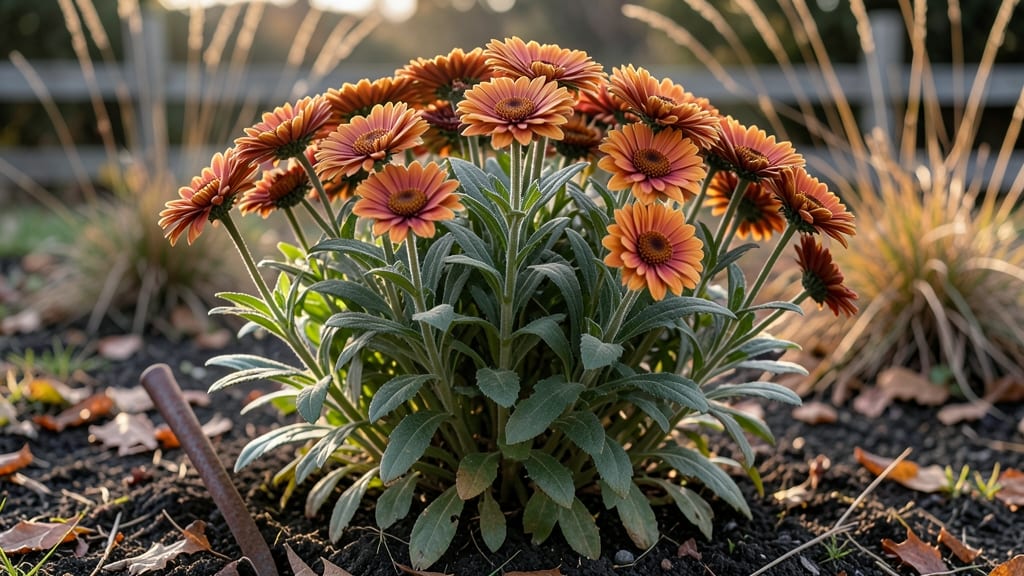
If you're wondering when mums bloom in your area, the answer depends on your climate zone and local weather patterns. 🌸 These hardy flowers thrive in cooler temperatures, which is why they start appearing in nurseries and gardens as summer winds down.
In my experience, garden centers often stock them in late August, but the peak display happens in September-October when the weather turns crisp. The key is daylight—mums need shorter days to trigger their flowering cycle, which explains why northern zones see them earlier than southern ones.
For gardeners, this means if you're in Zones 3-5, you might spot mums as early as late August, while those in Zones 7-9 could enjoy them through November.
Coastal areas might push the timeline slightly later due to milder temperatures, so always check your local frost dates if you're planning to plant them outdoors. The good news? With proper care, you can extend their season by choosing late-blooming varieties or bringing potted mums indoors before the first frost.
💡 In This Article
- Mums Bloom Timing by USDA Zone: When to Expect Peak Color
- How to Extend Mum Season: Potting, Pruning, and Care Tips
Mums bloom timing by USDA Zone: when to expect peak color
Mums (chrysanthemums) follow a precise biological clock tied to daylight hours and temperature shifts. Their flowering cycle begins when daylight drops below 12-14 hours—a process called photoperiodism. In northern climates (Zones 3-5), this happens earlier due to shorter summer days, triggering blooms as soon as late August.
The cooler temperatures (50-65°F) further accelerate their growth, which is why you’ll often see mums in full bloom by early September in these regions. 🌸
Southern zones (7-9) experience delayed blooming because their longer summer days keep mums in vegetative growth longer. The transition to fall happens more gradually, pushing peak color into October or even November.
For example, in Zone 8, mums might not reach their full glory until late October, while Zone 5 gardens could be bursting with color by mid-September. Coastal areas add another layer—milder ocean-influenced temperatures can delay blooming by 1-2 weeks compared to inland regions.
High-altitude zones (like mountainous areas in Zones 4-6) create microclimates where mums bloom even earlier than their zone suggests. At elevations above 5,000 feet, cooler nights and crisp air can trigger flowering in late August, sometimes overlapping with summer flowers.
This is why mountain gardeners often enjoy mums 3-4 weeks earlier than their lowland neighbors. The opposite happens in desert zones (like parts of Zone 9), where extreme heat can push blooming into November.
What most people don’t realize is how soil temperature affects root development. Mums planted in cooler soil (60°F or below) establish roots faster, leading to earlier blooms. This is why garden centers often recommend planting container mums in early September—giving roots 4-6 weeks to acclimate before frost.
In warmer zones, planting too early can result in leggy, weak stems that struggle to support heavy blooms. 🌿
Color variety also plays a role in timing. Darker blooms (like burgundy or deep red) tend to appear slightly later than bright yellows or whites because their pigments require more daylight to fully develop.
For instance, a 'Bright Lights' mum might bloom in early September, while a 'Dark Star' variety could wait until October. This pigmentation delay is why fall displays often feature a gradual progression of colors from light to dark as the season progresses.
To predict mum season in your area, check your last frost date and count backward. Mums need 8-10 weeks of cool weather to reach peak bloom, so planting in early September (Zones 3-5) or late August (Zones 7-9) ensures you’ll see flowers before winter sets in.
Urban heat islands can throw off this timing by 1-2 weeks, so rural gardeners often enjoy longer display periods than city dwellers.
For a real-world example, my Zone 6 garden typically sees mums hit their peak in early October, while a friend in nearby Zone 7 (just 50 miles away) might not see hers until mid-October. The difference? Her property sits in a river valley with warmer nights, delaying the photoperiodic trigger.
This variability is why local garden clubs are your best resource—ask when nearby nurseries start stocking mums, and you’ll have your answer within days. 🌺