
Orchid Care
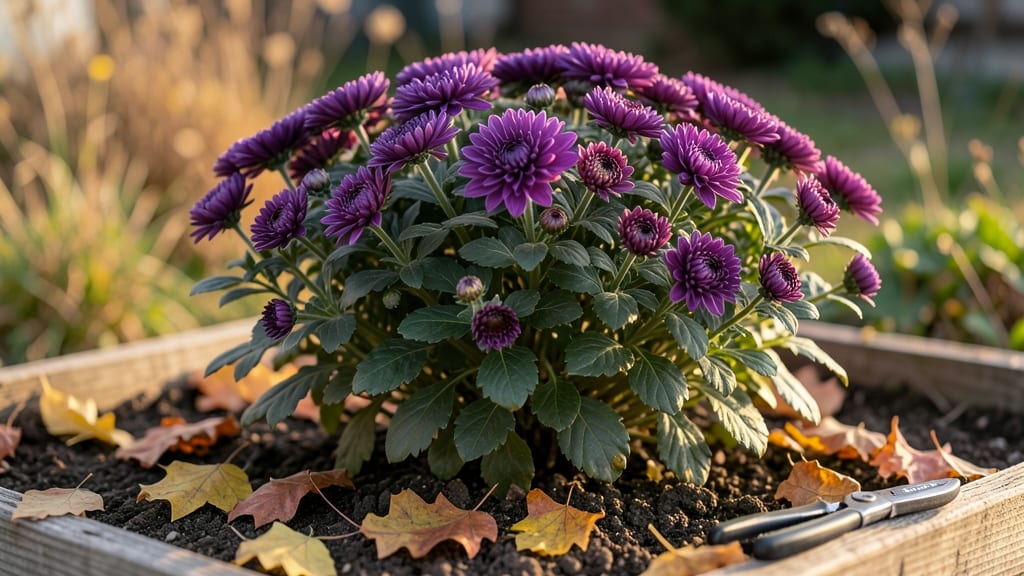
Mums (chrysanthemums) are seasonal plants that bloom primarily in fall, with peak seasons varying by variety—early bloomers start in September, while late varieties extend into November. Some hardy types rebloom in spring, but most follow a strict autumn schedule unless grown in frost-free climates.
These vibrant flowers thrive in cooler temperatures, which is why their blooming cycles align so closely with autumn's arrival. 🌿 The timing isn't just about the calendar—it's also about daylight hours, with many varieties needing 12-14 hours of darkness per day to trigger flowering.
That's why you'll see early bloomers in September when days grow shorter, while late varieties hold off until November when nights are longest. What's fascinating is how climate zones shift these windows: gardeners in Zone 5 might see September blooms where Zone 9 gardeners wait until October.
This seasonal nature isn't a limitation—it's what makes mums so special. Their fall display creates stunning contrast against other plants still in summer mode, while their hardiness lets many varieties survive winter to surprise you with spring blooms.
The key to working with this rhythm is choosing varieties that match your local frost dates and understanding how to extend their season through simple techniques like container growing or selecting reblooming types.
💡 In This Article
- Chrysanthemum Bloom Seasons by Variety Type
- Extending Mum Season: Tips for Year-Round Blooms
Chrysanthemum bloom seasons by variety type
Chrysanthemums (mums) are masterful at reading seasonal cues, with their bloom timing dictated by three key factors: variety type, daylight hours, and temperature. The most common grouping divides them into autumn-blooming, spring-blooming, and reblooming varieties.
Autumn types—like the popular 'Bonanza' and 'Vision' series—typically start flowering in late September and peak by mid-October, while late-season varieties such as 'Dazzler' may not reach full bloom until November.
This variation occurs because different cultivars require specific 12-14 hours of darkness per day to trigger flowering, a process called photoperiodism.
The science gets even more interesting when you consider climate zones. In USDA Zone 5 (where first frosts arrive by mid-October), early bloomers like 'Bright Lights' often start opening their buds in late August to beat the cold.
Meanwhile, in Zone 9 (where frost comes much later), those same varieties might not bloom until October. Spring-blooming mums, like the hardy 'Mumford' series, follow a different rhythm—they wait until April-May when temperatures stabilize and daylight increases again, though they're less common than their autumn counterparts. 🌸
For gardeners eager to extend their mum season, variety selection is everything. Reblooming types—such as the 'Symphony' series—are bred to produce two flushes of flowers: the first in autumn and a second, often smaller bloom in late spring.
These varieties require careful maintenance, including regular deadheading (removing spent blooms) and balanced fertilization, but they can reward you with color from September through November and again in April-May. The trade-off? They typically bloom 2-3 weeks later than standard autumn types but make up for it with prolonged display.
Here's what you need to know about specific bloom windows by variety:
- Early Autumn: 'Bright Lights', 'Bonanza' (bloom late August-early September)
- Mid Autumn: 'Vision', 'Dazzler' (peak September-October)
- Late Autumn: 'Mumford', 'Symphony' (extend to November)
- Spring Rebloomers: 'Symphony' series (second bloom April-May)
Temperature also plays a surprising role. Mums need cooler nights (below 70°F) to set buds properly—this is why they struggle in hot summer climates. In tropical regions (Zones 10-11), gardeners often grow mums in containers and move them to shaded areas during summer heat to preserve their seasonal rhythm.
The result? A more predictable bloom schedule that aligns with local autumn cues. 🌿
What most gardeners don't realize is how microclimates can shift these timelines by 1-2 weeks. A south-facing garden bed might see blooms 10 days earlier than a north-facing one due to warmer soil temperatures.
Similarly, elevated areas with better air circulation often flower 5-7 days ahead of low-lying spots where cold air pools. This is why professional florists and garden centers often grow mums in controlled environments—to fine-tune bloom dates for market demand.