
Vegetables
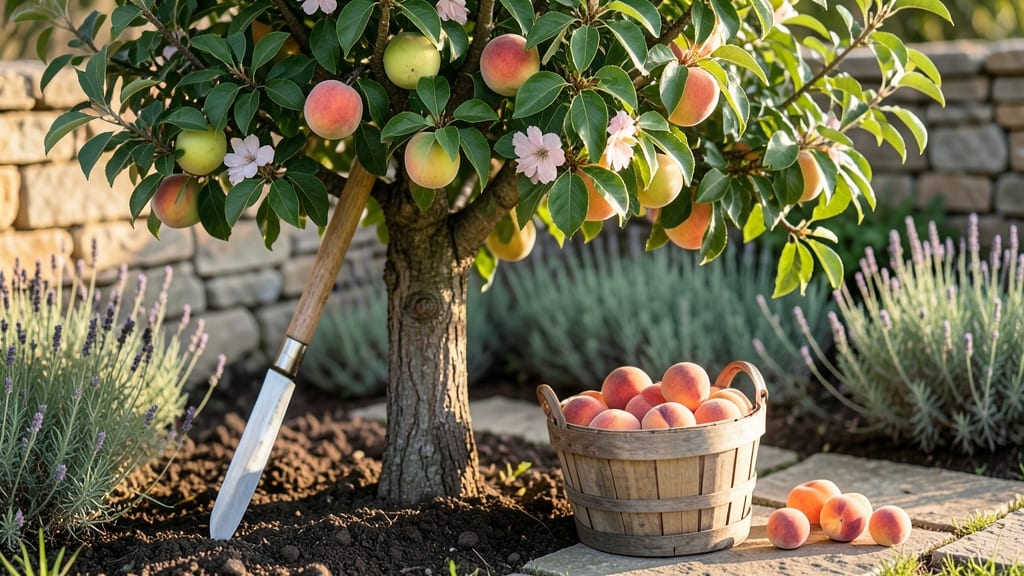
Peaches are seasonal fruits that thrive during specific growing windows depending on climate—typically late spring through early summer in warmer regions like California and Florida, and mid-to-late summer in cooler areas such as Michigan or New York. Once they pass their peak ripeness, their sweetness and juiciness fade quickly.
Understanding peach seasonality helps you enjoy them at their absolute best. 🌱 The fruit's natural sugars and tender texture develop fully only when grown in ideal temperatures, which vary dramatically across the country.
For example, California's peaches often hit stores as early as May, while northern states may not see their first fresh harvest until July or August. This regional timing means grocery store peaches in winter are usually imported or stored for months, sacrificing some of their signature freshness.
What makes this even more interesting is how quickly peaches deteriorate after harvest. Within just a few weeks past their peak, their flavor becomes mealy and their color dulls.
That's why farmers' markets and roadside stands in peach-growing regions become so popular during summer—you're guaranteed the freshest, most flavorful fruit available.
💡 In This Article
- Peach Harvest Seasons by U.S. Growing Regions
- Year-Round Peach Enjoyment: Storage and Substitutes
Peach harvest seasons by U.s. growing regions
Peaches are true climate-dependent fruits, with their ripening cycles directly tied to temperature and daylight hours. In warmer southern states like California and Florida, peach trees begin flowering as early as February, with harvests starting around May and peaking by July.
These regions benefit from longer growing seasons and milder winters, allowing trees to develop fruit more quickly. Meanwhile, northern states like Michigan or New York experience shorter growing seasons, with peaches typically ripening between late July and early September.
The key factor here is chilling hours—a requirement for peach trees to break dormancy. Most peach varieties need 200-1,000 hours below 45°F during winter to properly develop buds.
Southern trees often get fewer chilling hours, which is why growers in California and Georgia rely on specific low-chill varieties that can still produce quality fruit.
In contrast, northern trees receive ample chilling, but their slower spring warming means delayed ripening. 🌿 This regional difference explains why grocery stores in the Northeast might not see fresh peaches until July, while Southern shoppers enjoy them as early as May.
This climate dependency also affects flavor development. Warmer regions produce peaches with higher sugar content and softer flesh because the trees grow more aggressively. Northern peaches, while often firmer, develop more complex flavors due to slower maturation.
For example, California's Flavorgrande peaches are prized for their sweetness, while Michigan's Redhaven variety offers a balanced sweet-tart profile. The trade-off? Northern peaches may have slightly more acidity, making them perfect for baking, while Southern varieties excel fresh out of hand.
What most people don't realize is how quickly peach trees respond to temperature shifts. A sudden heatwave can cause premature blooming, while late frosts can devastate entire crops.
This is why California's Central Valley—home to 80% of U.S. peach production—relies on microclimate management, including wind machines and frost protection systems. These techniques ensure consistent harvest windows despite unpredictable weather patterns. 🌡️ The result?
More reliable peach availability in markets, but with a narrower peak season window of just 6-8 weeks at absolute peak quality.
For home gardeners, this regional timing matters too. If you're in Zone 5 (like Chicago), you'll need to choose late-blooming varieties that can withstand spring frosts, while Zone 9 gardeners (like in Arizona) can grow peaches year-round with proper irrigation.
The right variety for your climate isn't just about timing—it's about maximizing the fruit's potential sweetness and texture during its limited harvest window.
Consider these regional highlights for peach lovers:
- California: First to market (May-July), with varieties like Suncrest and June Gold dominating
- Georgia/South Carolina: Peak in June-July, known for Elberta and Contender varieties
- Michigan/New York: Harvest from late July through August, with Redhaven and Hale Haven as staples
- Colorado/Utah: Mountain-grown peaches ripen in August-September, often with more intense flavors