
Picking
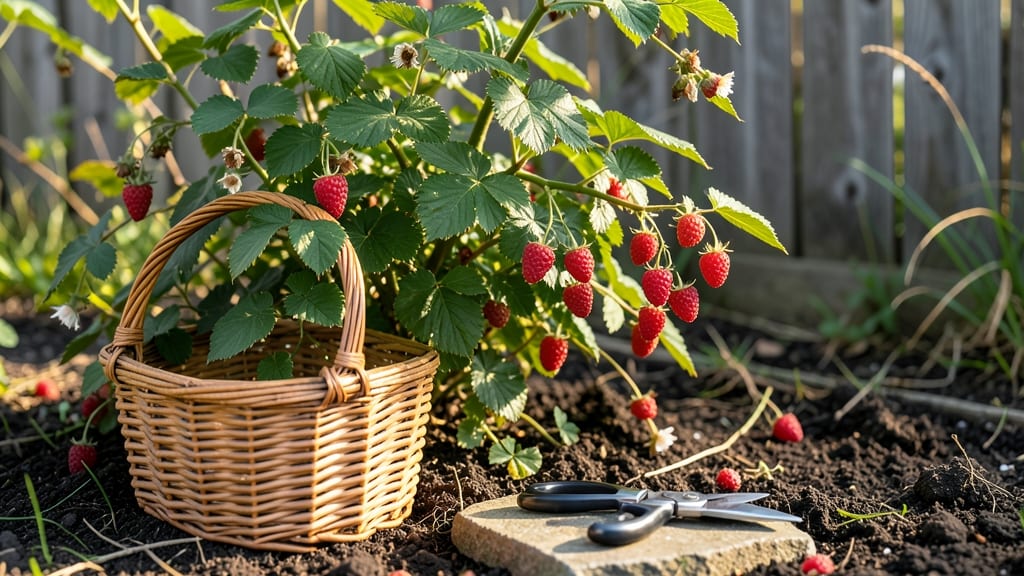
Raspberries are in season now across most U.S. regions, typically peaking between June and August, though early varieties ripen as early as late spring and fall-bearing types last into early winter. Exact timing shifts by climate zone—from May in Southern states to September in Northern areas.
Right now, raspberries are hitting their prime in many parts of the country, especially in Zones 6-9, where warm days and cool nights create ideal growing conditions. 🌱 The exact timing depends on your location—cooler Northern states like Michigan or Maine may still see late-summer harvests, while Southern regions like Florida or California often enjoy two harvests: one in spring and another in fall.
If you're planning to pick your own, check local farms for updates, as weather patterns can push ripening dates earlier or later each year.
What makes this season special is the variety of flavors you'll find. Early-season berries tend to be slightly tart, while peak-season raspberries develop that classic sweet-tart balance we all love.
Pro tip: Look for berries that are fully colored, firm to the touch, and easily separate from the core—these are your telltale signs of perfect ripeness. Once picked, store them in the fridge for up to 3 days or freeze them for longer-term use.
💡 In This Article
- Raspberry Season Timeline by U.S. Growing Zones
- How to Tell When Raspberries Are Fully Ripe
Raspberry season timeline by U.s. growing Zones
Raspberry season unfolds differently across the U.S. because these berries thrive in specific temperature ranges. In Zones 5-6 (Northern states like Minnesota or New York), the growing season starts later due to cooler springs, with peak harvest typically between mid-July and August.
Meanwhile, Zones 7-9 (Midwest and Southern states) see their main harvest from late May to July, while Zone 10 (California, Florida) enjoys two harvests: spring (March-April) and fall (September-October).
The key factor is chill hours—raspberries need 500-1,000 hours below 45°F during winter to break dormancy. Southern regions often get two harvests per year because their mild winters allow fall-bearing varieties to produce a second crop.
For example, Florida's Dorman Red variety ripens in May and September, while Northern varieties like Boyne produce just once in July-August. 🌡️
Climate also affects ripening speed. Hotter summers can accelerate maturation—meaning berries might ripen 2-3 weeks earlier than expected. Conversely, cooler summers (like in Pacific Northwest) slow ripening, extending the season.
This is why Pacific Northwest farms often have raspberries available until late September, while Southern farms may see their last harvest by early August.
For home growers, choosing the right variety matters. June-bearing varieties (like Heritage or Nova) produce one massive crop in late June-July, while everbearing types (like Caroline) yield smaller harvests in June and September.
Fall-bearing varieties (like Fall Red) extend the season into October-November in warmer climates. This variety selection explains why some regions enjoy raspberries for 5-6 months while others get just 2-3 months of harvest.
Weather plays a surprising role too. Heavy rains before harvest can dilute flavor, while dry spells concentrate sugars. That's why July-August often delivers the sweetest berries in most regions—perfect balance of moisture and sun.
If you're planning a raspberry feast, check your local USDA Plant Hardiness Zone and variety recommendations to time your picking perfectly. 🍇
One pro tip: Fall-bearing varieties in Zones 6-9 can produce a second crop if given proper care. Prune old canes in late winter and fertilize in early spring to encourage a late-summer harvest. This two-crop strategy is why Southern states often have raspberries available for half the year!