
Container Gardens
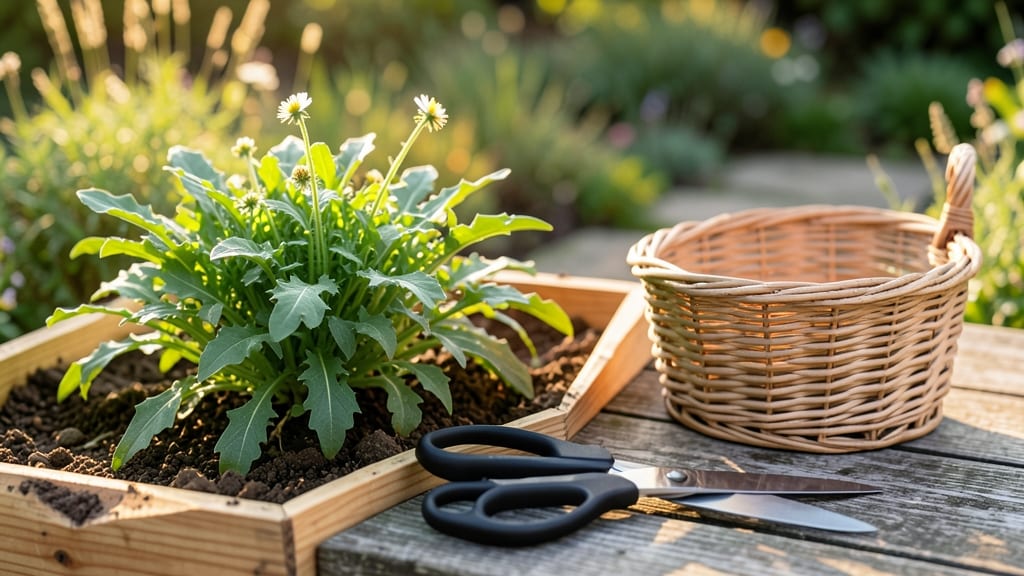
Growing arugula in the right season means the difference between a crisp, peppery harvest and a bitter, bolted mess.
If you’ve ever watched your 🥗 plants turn tough and flowery before you even get a chance to harvest them, you know how frustrating it can be. Arugula thrives in cool weather but wilts—or worse, bolts—when temperatures creep above 75°F.
The key is planting it at the perfect time, whether you’re in Zone 6a or a warmer climate.
In this guide, I’ll break down the ideal arugula growing season for your region, including frost dates, succession planting tricks, and how to stretch your harvest into summer with shade and cool soil hacks.
You’ll learn exactly when to sow seeds for fast, flavorful greens—plus how to spot signs of stress before it’s too late. Ready to grow arugula like a pro? Let’s get started.
Arugula growing season by USDA climate Zone: when to plant for peak flavor
Arugula is one of the fastest-growing greens, but its delicate nature makes timing critical. In cool climates (Zones 3-5), you can grow it from early spring through fall, while warmer zones (6-10) need strategic planting to avoid bolting.
The key is planting when soil temps stay between 45-65°F—any hotter, and your arugula will bolt faster than you can say "peppery flavor."
Most gardeners focus on spring and fall planting, but with shade tricks and succession sowing, you can even grow arugula in summer. For example, in Zone 7, I plant my first batch in March and a second in August to enjoy fresh leaves year-round.
The trick is understanding your USDA zone and local microclimates.
🌱 Comparison Table: Arugula Planting Windows by USDA Zone
In Zones 3-4, where winters are harsh, focus on late spring and early fall plantings. I’ve had success sowing seeds in April and again in July to harvest before the first frost in October.
The key is using row covers to extend the season—just remove them when temps rise above 75°F.
For Zones 5-6, where summers are hotter, I plant my first batch in March and a second in August. The August planting thrives under 50% shade cloth until temps drop below 80°F.
This two-pronged approach gives me fresh arugula from April through November—just enough time to enjoy it before the heat sets in.
In Zones 7-8, summer heat is the biggest challenge. While arugula won’t survive prolonged 90°F+ temps, you can still grow it in late summer by sowing seeds in July and using shade cloth or drip irrigation to keep soil cool.
I’ve even grown arugula in containers on my patio with partial shade—it’s a game-changer for urban gardeners.
If you’re in Zones 9-10, forget spring planting—it’s too hot. Instead, focus on fall and winter crops. I plant my arugula in September and harvest through December, using mulch to protect roots from temperature swings. With the right timing, you can enjoy arugula year-round in these warmer climates.
One pro tip I swear by: succession planting. Instead of sowing all your seeds at once, plant a new batch every 2-3 weeks during the growing season. This ensures a steady supply of fresh leaves and reduces the risk of bolting.
For example, in Zone 6, I plant my first batch in March, then follow up in April, May, and August.
Finally, always check your local microclimate. A spot near a lake or in a shady valley might stay cooler longer, allowing for an extended growing season. I once grew arugula in Zone 7 until November 1st in a north-facing bed—something I wouldn’t have predicted based solely on USDA zones.
With the right timing and a little creativity, you can grow crisp, peppery arugula almost year-round—no matter where you live. The key is knowing your zone, planning ahead, and being ready to adapt. Happy planting! 🌿
How to extend your arugula growing season with succession planting and shade tricks
Arugula hates summer heat—it bolts and turns bitter faster than most greens. But with the right tricks, you can keep growing crisp, peppery leaves all season long. The key? Succession planting and shade strategies to trick your plants into thinking it's still cool weather.
I’ve grown arugula in Zone 7 summers using these methods, and I’ll show you exactly how to do it.
Start by planting in partial shade (4-6 hours of sun max) and use shade cloth (30-50%) to filter direct sunlight. Pair that with succession sowing every 2-3 weeks to ensure a steady harvest.
Companion plants like radishes or bush beans also help by providing shade and improving soil health. Let’s break down the exact steps for summer success.
- Shade Cloth Magic: Use 30-50% shade cloth to block 50-70% of sunlight. Stretch it 3-4 feet above plants to avoid touching leaves (which can cause rot).
- Succession Planting Schedule: Sow seeds every 10-14 days in summer. For Zone 6-8, start in late May and continue until early August for fall harvests.
- Companion Plant Shield: Interplant with radishes (harvest in 30 days) or bush beans to provide shade and deter pests. Avoid tomatoes—they compete for nutrients.
Mulching is another game-changer. Apply 2-3 inches of straw or wood chips around your arugula to keep soil cool and retain moisture. This mimics the damp, shaded conditions arugula loves.
I’ve seen mulched beds stay 10°F cooler than uncovered soil on hot days. Pair this with drip irrigation to water deeply in the morning—never overhead in the heat.
For container growing, choose 5-gallon pots with well-draining soil and move them to shaded spots during peak afternoon sun (1 PM–5 PM). Elevate pots on bricks or stands to improve airflow and prevent root rot.
In Zone 9-10, grow arugula in winter months (November–February) when temps drop below 80°F.
Watch for bolting signs: elongated stems or yellowing leaves mean it’s time to harvest or shade more aggressively. Cut leaves just above the soil line to encourage bushier regrowth.
If plants bolt, pull them and replant with fast-maturing varieties like 'Astro' or 'Salad Bowl', which tolerate heat slightly better.
Here’s your 3-step summer harvest checklist:
- Shade plants at noon (use cloth or nearby crops).
- Water deeply every morning (1/2 inch total).
- Harvest outer leaves weekly to keep plants productive.
With these tricks, you’ll enjoy crisp arugula all summer—no bitter surprises! 🌿