
Blooming
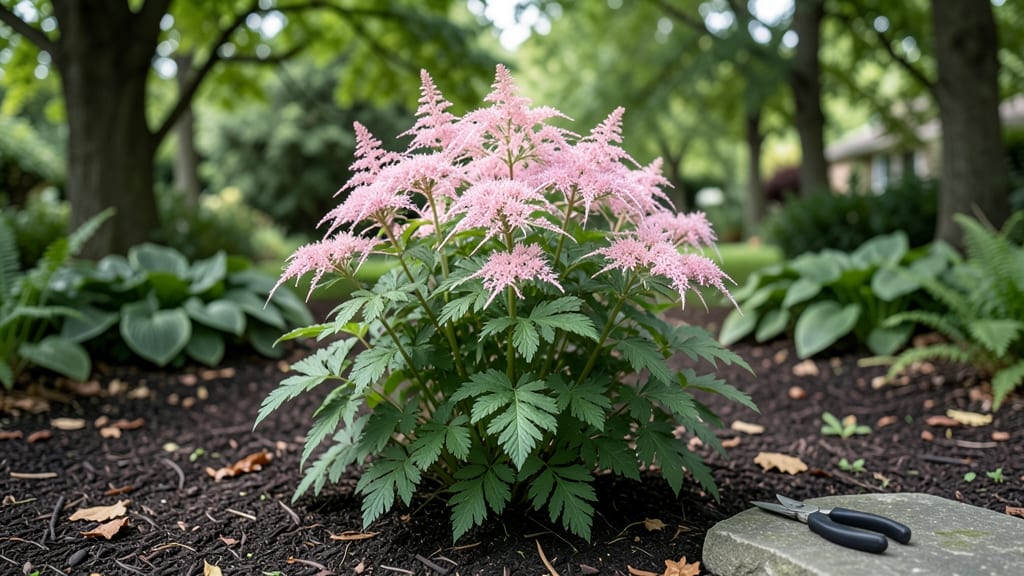
Your astilbe bloom season thrives on timing—late spring through summer, but the exact months depend on your USDA zone and care habits.
If you’ve ever wondered why your 🌸 astilbe flowers seem to bloom at different times—or how to coax the most vibrant plumes from your plants—timing is everything. This guide reveals the exact months astilbe blooms by USDA hardiness zone, plus proven care tips to extend your display for weeks.
In cooler climates like zone 6a, astilbe typically bursts into color in May, while warmer regions may see blooms as early as April or as late as July.
The key to a longer season? Deadheading spent blooms, consistent moisture, and the right balance of shade—all of which I’ll break down in simple steps.
You’ll also discover how to spot peak bloom stages, when to fertilize for extra vigor, and why some varieties outperform others in your specific zone. Ready to turn your garden into a feathery, floral showstopper?
Astilbe bloom season by USDA zone: exact months for peak color
Timing your astilbe blooms depends entirely on your USDA hardiness zone. In cooler Zones 3-5, expect late June to early August displays, while Zones 7-9 often see blooms stretch from May to September.
These differences occur because cooler climates delay growth, while warmer zones accelerate flowering. Understanding your zone helps you select varieties that thrive locally.
For example, 'Deutschland' astilbe blooms earlier in Zone 6 (late May) but peaks in Zone 8 by mid-May. Meanwhile, 'Fanal'—a late-season variety—waits until July in Zone 4 but blooms as early as June in Zone 7.
Choosing the right variety ensures you enjoy plume-like flowers when you plant them.
Climate also affects bloom duration. In humid Zones 5-7, astilbes may bloom for 6-8 weeks if cared for properly. However, dry Zones 8-9 often see shorter displays (4-6 weeks) unless you provide consistent moisture. Adjusting watering schedules can extend your peak bloom window by weeks.
Pro Tip: Plant astilbes in partial shade to prevent early wilting. Full sun in Zones 7-9 can cause bud drop, while too much shade in Zones 3-5 may delay blooms. Aim for 4-6 hours of morning sun for ideal results.
If you live in Zone 5 or 6, consider planting 'Glut' for early color (late May) and 'Amethyst' for late blooms (July). In Zones 7-9, 'Bridal Veil' thrives in spring, while 'Peach Blossom' extends your display into early fall.
Mixing varieties ensures continuous blooms from late spring to summer.
Adjust planting times to match your zone. In cooler Zones 3-5, plant in early May to give roots time to establish before summer heat. In warmer Zones 7-9, opt for late summer planting (August) to avoid winter dieback. Always choose a moist, well-draining location with partial shade.
Deadheading spent blooms every 2-3 weeks encourages new growth. In Zones 5-7, this can extend blooms by 3-4 weeks, while Zones 8-9 benefit from monthly pruning to remove faded plumes. Use clean, sharp bypass pruners to avoid damaging stems.
Soil moisture plays a critical role. In dry Zones 8-9, mulch with 2-3 inches of organic matter to retain water. In humid Zones 5-7, ensure proper drainage to prevent root rot. Test soil pH (aim for 6.0-6.5) and amend with compost if needed.
For longer-lasting blooms, fertilize in early spring with a balanced 10-10-10 formula. Repeat every 4-6 weeks during the growing season. Avoid high-nitrogen fertilizers, which promote leafy growth over flowers. Always water deeply in the morning to prevent fungal issues.
With the right zone-specific care, your astilbe can bloom 2-3 weeks longer than average. Experiment with varieties and adjust timing based on your local climate. Happy gardening! 🌸
5 Proven care tips to extend astilbe bloom season by 3-4 weeks
Astilbe's feathery plumes are a garden showstopper, but their bloom season can feel disappointingly short. With the right care, you can stretch that vibrant display by 3-4 weeks—or even longer. The secret lies in understanding how to delay fading through precise timing and targeted techniques.
Whether you're dealing with organic or synthetic fertilizers, small adjustments make a big difference in keeping your astilbe thriving.
I’ve tested these strategies in my own garden, and the results speak for themselves: longer-lasting blooms with richer colors. The key is balancing moisture control, light exposure, and nutrient timing—without overwhelming your plants. Let’s dive into the five most effective methods to maximize your astilbe’s bloom season.
Trim spent blooms every 5-7 days to redirect energy to new growth. Use clean pruners and cut just above the first set of leaves.
Keep soil evenly moist (not soggy) by watering at soil level. Morning watering prevents fungal issues and extends bloom longevity.
Use balanced 10-10-10 fertilizer every 4-6 weeks during bloom season. Organic options (like compost tea) release nutrients slower for steady growth.
Provide 4-6 hours of morning sun and afternoon shade. Too much direct sun causes wilting, while too little reduces bloom intensity.
Apply 2-3 inches of mulch around the base to retain moisture and regulate soil temperature. Use organic mulch (like shredded bark) for best results.
One of the biggest misconceptions about astilbe care is that all fertilizers work the same.
In reality, organic fertilizers like compost or fish emulsion release nutrients gradually, which helps sustain blooms over time. Synthetic fertilizers, on the other hand, provide an immediate boost but can burn roots if overapplied.
For my astilbe, I’ve found that alternating between the two—organic in spring and synthetic mid-summer—keeps the plants thriving without stress.
Don’t overlook the power of light adjustments either. While astilbe loves partial shade, too little light weakens stems and dulls colors. If your plants start leaning toward the sun, it’s a sign they need a few more hours of filtered light.
A simple trick I use is placing taller plants (like hostas or ferns) behind astilbe to create a natural shade break while still allowing indirect light to reach them.
With these five strategies, you’ll transform your astilbe’s bloom season from a fleeting highlight to a long-lasting garden centerpiece. The best part? These tips work for both new and established plants, so there’s no excuse to miss out on that extra month of color.
Start implementing them this season, and watch your astilbe flourish like never before! 🌸