
Planting
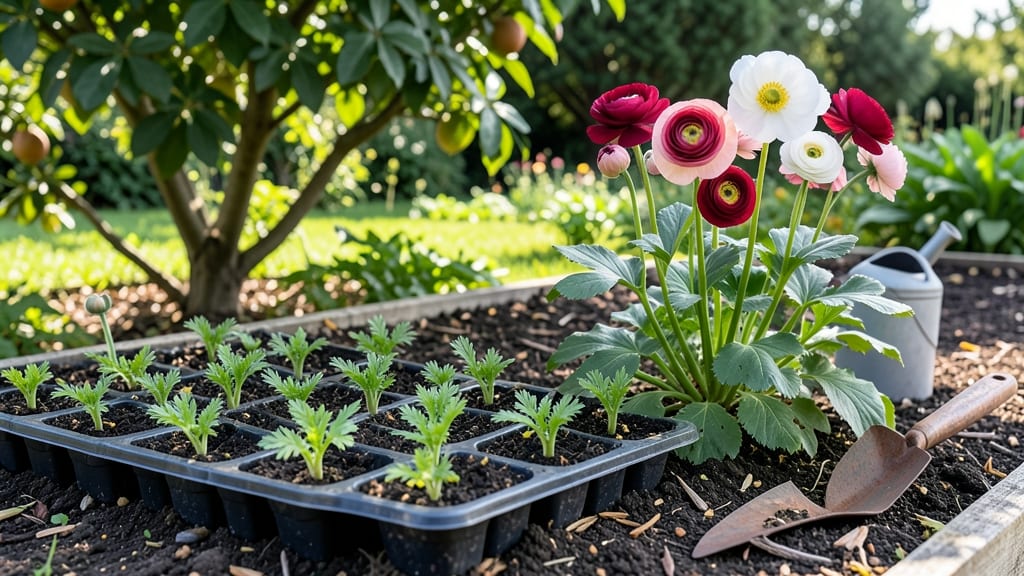
Growing ranunculus during their ideal season 🌸 means the difference between a garden overflowing with layered, papery blooms and a few sad stems that never quite make it.
Want stunning, layered ranunculus blooms in your garden? Timing is everything—plant too early or late, and you’ll miss their breathtaking display. Here’s the exact growing season breakdown by USDA zone to ensure your ranunculus thrive from bulb to bloom.
In Zone 6a, like most of the U.S., the magic happens when you plant bulbs in late winter (February–March), letting them chill before spring’s last frost. But warmer zones (like 9–10) need a different approach—planting in fall to avoid summer heat stress.
Below, I’ll walk you through the critical stages—from dormancy to peak blooms—plus soil prep, watering tricks, and how to extend your season in any climate. No more guessing, just guaranteed ranunculus perfection.
When to plant ranunculus bulbs by USDA Zone for best results
Ranunculus bulbs thrive when planted at the right time, but the perfect window varies dramatically by USDA zone. In colder zones, fall planting ensures roots establish before winter, while warmer zones may need winter planting to avoid summer heat stress.
Getting this timing right guarantees vibrant blooms in spring—here’s exactly when to plant in each zone.
For Zones 3-5, aim for late September to mid-October planting. The soil should still be warm enough to encourage root growth, but frost is on the horizon. In Zone 6, stretch your window from mid-October to early November—this balances root development with winter dormancy needs.
Warmer zones like 7-9 shift to November to December planting. The key is to plant when daytime temperatures drop below 70°F but before the first hard frost. For Zones 10-11, plant in December to early January—these regions rarely experience freezing temps, so timing focuses on avoiding summer heat.
| USDA Zone | Planting Window | Soil Temp Goal | Key Consideration |
|---|---|---|---|
| 3-5 | Late Sept - Mid-Oct | 50-60°F | Avoid early frost; mulch after planting |
| 6 | Mid-Oct - Early Nov | 55-65°F | Balance root growth with winter dormancy |
| 7-8 | Nov - Early Dec | 60-70°F | Plant before first frost; avoid summer heat |
| 9-10 | Dec - Early Jan | 65-75°F | Focus on avoiding extreme heat; shade helps |
| 11 | Dec - Jan | 70-75°F | Year-round planting possible; prioritize drainage |
In Zone 3, where winters are harsh, plant bulbs by September 15th to ensure roots establish before ground freezes. Use a thick mulch layer (4-6 inches) to protect bulbs from extreme cold.
For Zone 4, extend planting to October 1st—this gives roots time to grow before the first frost.
For Zones 7-8, focus on planting in November. The goal is to let bulbs root before winter’s chill sets in. In these zones, daytime temps should hover around 60-70°F during planting. If you miss this window, wait until January—just be prepared for later blooms.
Warmer climates like Zone 9 and Zone 10 offer flexibility. Plant in December to avoid summer heat stress, which can cause bulbs to rot. If you live in Zone 11, you can plant almost year-round, but aim for December-January to align with natural dormancy cycles.
Pro tip: Always plant ranunculus bulbs in well-draining soil—they hate soggy conditions. Amend heavy clay with compost or sand to improve drainage. After planting, water deeply to settle the soil and encourage root growth.
Adjust your planting schedule if your local climate varies from the norm. For example, high-altitude areas in Zone 6 may need an earlier planting date, while coastal regions might push back due to milder winters. Always check your last frost date and plant 6-8 weeks before it.
With the right timing, your ranunculus will reward you with lush, layered blooms in spring. Mark your calendar, prep your soil, and watch these stunning flowers transform your garden! 🌸
Critical growing stages of ranunculus and their ideal timing
Understanding the ranunculus growing season means mastering its three key stages: dormancy, root development, and blooming. Each stage has precise temperature triggers and care needs that vary by USDA zone. Miss these windows, and you’ll sacrifice those lush, layered blooms you’re dreaming of.
In Zone 6-7, for example, ranunculus bulbs need 4-6 weeks of cold dormancy (40-50°F) before they’ll break dormancy in spring. But in Zone 9-10, that dormancy period shortens to just 2-3 weeks. Let’s break down each stage with zone-specific timing and care adjustments to maximize your ranunculus success.
🌡️ 40-50°F for 4-6 weeks (Zones 3-7) | 3-4 weeks (Zones 8-10). Plant bulbs 6-8 weeks before first frost in well-draining soil. Mulch lightly to protect from freezing temps but avoid suffocating roots.
🌱 Shoots emerge when soil reaches 50-55°F. In Zones 3-5, this happens February-March; in Zones 8-10, it’s December-January. Water lightly to keep soil moist but not soggy—overwatering causes bulb rot.
☀️ 6-8 weeks of 55-65°F days trigger rapid foliage growth. Fertilize with 10-10-10 when shoots reach 2-3 inches. In Zones 6-7, this is March-April; in Zones 9-10, it starts as early as January.
🌸 10-14 days after buds form, blooms open when temps stabilize at 60-75°F. Deadhead spent blooms to encourage continuous flowering. In Zones 3-4, blooms appear May-June; in Zones 8-10, they start as early as March.
🌡️ When temps exceed 80°F, foliage yellows and dies back. Reduce watering and let soil dry slightly. In Zones 9-10, bulbs may need summer shade to prevent heat stress. Store bulbs in cool, dry conditions if lifting.
Each stage demands specific temperature triggers and care adjustments. For instance, in Zone 4, where winters are harsh, extend dormancy by planting bulbs in late October instead of September. In contrast, Zone 10 gardeners should plant in December to avoid summer heat stress during vegetative growth.
Pro tip: Use a soil thermometer to monitor temperatures during dormancy. Aim for consistent 40-50°F for at least 4 weeks—this ensures bulbs break dormancy uniformly. Skipping this step leads to uneven blooming or weak stems.
Adjust watering based on the stage: dormancy = minimal water, root development = light moisture, blooming = consistent hydration. Overwatering at any stage risks bulb rot, while underwatering stunts growth. Balance is key!
By aligning your care with these zone-specific triggers, you’ll coax vibrant, long-lasting ranunculus blooms—no matter where you garden. 🌸