
Trees
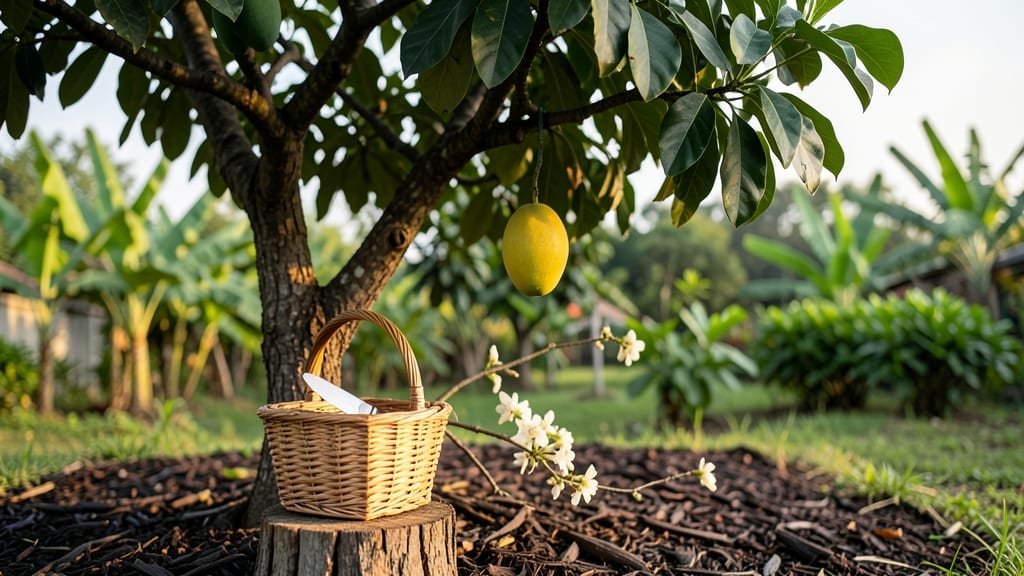
The Ataulfo mango season delivers the creamiest, sweetest fruit you’ll find 🥭—but only if you catch it at the right time.
If you’ve ever bitten into a perfectly ripe Ataulfo mango—creamy, sweet, and bursting with flavor—you know timing is everything. But missing the window by even a few weeks could mean bland, underripe fruit. The key? Knowing your region’s exact harvest months.
From Florida’s early May kickoff to California’s peak in July, the sweetest Ataulfo mangoes follow a predictable schedule. Whether you’re buying at the market or growing your own, these critical months make all the difference in taste and texture.
Here’s how to track the season, spot the ripest fruit, and even extend your harvest with simple storage tricks.
Ataulfo mango season by region: exact months for peak ripeness
Ataulfo mangoes, also called "honey mangoes," are prized for their ultra-sweet, creamy texture and delicate flavor. But unlike many fruits, their peak season varies wildly by region—from early spring in Florida to late summer in California.
Understanding these windows ensures you never buy underripe or overripe fruit again. The key? Climate zones and microclimates that shift harvest dates by months.
For home gardeners or mango enthusiasts, knowing your local Ataulfo mango season means the difference between a juicy, flavorful bite and a mealy, disappointing one.
In this guide, we’ll break down the exact months for peak ripeness in the U.S. and Mexico, plus how to spot the sweetest, ripest fruit at your grocery store or farmers' market. Let’s dive into the data so you can plan your mango feasts like a pro.
🌱 NOTE: Ataulfo mangoes are not frost-tolerant and thrive in USDA Zones 10-12. Most commercial production happens in subtropical climates, but regional variations create overlapping seasons.
| Region | Peak Season Start | Peak Season End | Key Climate Factors | How to Spot Ripe Fruit |
|---|---|---|---|---|
| Florida (Homestead, Miami) | Late January | Early June | Warm winters, high humidity, early blooms | Skin turns bright yellow-green, slight give when squeezed |
| California (Indio, Coachella Valley) | Mid-March | Late August | Desert heat, irrigation-dependent, later blooms | Aroma at stem, no green patches, soft skin |
| Texas (Rio Grande Valley) | Early February | Mid-July | Moderate humidity, spring rains trigger blooms | Stem separates easily, creamy texture when cut |
| Georgia (South Georgia) | Late February | Early July | Mild winters, early spring warmth | Skin softens uniformly, sweet scent near blossom end |
| Mexico (Veracruz, Sinaloa) | December | September | Tropical year-round, no frost risk, multiple harvests | Firm but yielding, no bruising, vibrant color |
The Florida season kicks off earliest in late January, thanks to its warm subtropical climate. If you’re in Miami or Homestead, you’ll find Ataulfo mangoes at their peak from February through May, with the sweetest varieties arriving in March and April.
Pro tip: Look for fruit with no green patches—these are often underripe and won’t develop full flavor.
California’s Coachella Valley produces Ataulfo mangoes later, from March to August, with peak sweetness in May and June. The desert climate means irrigation plays a huge role in ripening.
Overwatered trees can lead to diluted flavor, so buy from trusted growers who use drip irrigation for consistent quality. The best California Ataulfos will have a firm but yielding texture and a fragrant aroma near the stem.
Texas’ Rio Grande Valley overlaps with Florida’s early season but extends slightly later, thanks to spring rains that trigger blooming. Your best bets are February through June, with April and May offering the creamier, sweeter varieties.
If you’re shopping in Houston or San Antonio, ask vendors about local vs. imported mangoes—locally grown ones often ripen faster after harvest.
Georgia’s South Georgia region has a shorter but high-quality Ataulfo season from late February to early July. The mild winters and early spring warmth create ideal conditions for balanced sugar levels.
Here, the best window is March through April, when the fruit is naturally sweeter due to slower ripening. Avoid buying Georgia Ataulfos in June or July—they’ll likely be overripe and mealy.
For those near Mexico’s production hubs like Veracruz or Sinaloa, you’ve got the longest and most consistent season, running from December to September. Mexican Ataulfos are often exported to the U.S. year-round, but the peak sweetness window is April through July.
If you’re buying imported mangoes, check the packing date—fruit shipped in March or April will ripen more evenly at home.
No matter your region, the sweetest Ataulfos share these traits: bright yellow-green skin, a slight give when squeezed, and a stem that separates easily from the fruit. Avoid mangoes
How to time your Ataulfo mango purchase for maximum sweetness
Timing your Ataulfo mango purchase is an art—especially when you crave that perfectly ripe fruit with creamy texture and intense sweetness. Unlike many fruits, Ataulfo mangoes don’t ripen well off the tree, so buying at the right stage is critical.
I’ve learned the hard way that green, firm mangoes at the grocery store often end up mealy, while those picked too late turn mushy. The secret? Knowing how to spot peak ripeness and where to find the freshest batches.
Start by checking the skin color—ripe Ataulfo mangoes turn a vibrant yellow-green, almost golden near the stem. A gentle squeeze should reveal slight give, like a ripe avocado. If the fruit feels rock-hard or the stem resists when twisted, it’s not ready.
Pro tip: Smell the stem end—ripe mangoes emit a sweet, tropical aroma. Ignore this, and you might end up with a sour, underripe disappointment.
Late-season Ataulfo mangoes often sit too long in storage, losing flavor and texture. May-June is peak season in most regions, but July-August fruit may be overripe or shipped from distant farms. Always ask when the mangoes were harvested—within 7-10 days is ideal for freshness.
For the best deals, skip the grocery store and head to local farmers' markets or roadside stands during peak season. Vendors often sell Ataulfo mangoes at harvest time, when supply outpaces demand. I’ve paid $1.50/lb at markets versus $3/lb in stores.
Ask the seller when the fruit was picked—same-day harvest guarantees the sweetest flavor. If you’re buying from a store, opt for organic labels, as conventional mangoes are often treated with wax coatings that mask ripeness.
Once home, store Ataulfo mangoes at room temperature until fully ripe—never in the fridge. Cold temperatures destroy their delicate enzymes, turning them mealy. Place them in a paper bag with a banana or apple to speed up ripening (the ethylene gas works like magic).
Once ripe, transfer to the fridge to slow decay, but eat within 3-5 days for peak flavor. I’ve had mangoes last 10 days this way, but the texture softens quickly after day 7.
Common mistakes? Buying pre-cut mangoes (they oxidize fast) or storing them in plastic bags (traps moisture). I once bought a dozen Ataulfo mangoes at a discount, only to find half spoiled by day 3.
Now, I prioritize whole fruit and check for bruises or soft spots before purchasing. If the stem is still attached, the mango ripens faster—just twist it off gently before eating.
Pro move: Freeze Ataulfo mango flesh for smoothies or sorbet. Peel, pit, and freeze in 1-inch chunks—they’ll keep for up to 6 months without losing flavor.
Just thaw overnight in the fridge before using. This trick saved me from wasting overripe mangoes during peak season when I couldn’t eat them fast enough.