
Flowers
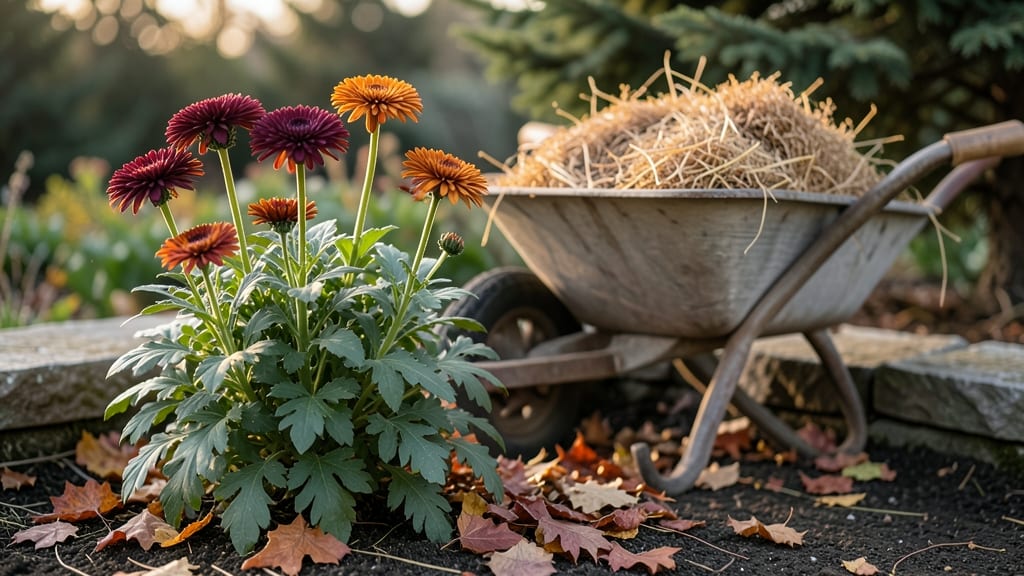
The autumn season’s fall flowers turn your garden into a fiery masterpiece as temperatures drop. 🌿 These late-season bloomers—like asters, chrysanthemums, and goldenrod—thrive in cooler weather, offering vibrant colors long after summer fades.
They’re tougher than they look, too: many handle frost and even light snow, keeping your landscape lively well into winter.
The secret to their success? Planting them at the right time—usually 6-8 weeks before your first frost—and choosing varieties suited to your zone. In my zone 5 garden, New England asters and hardy mums stay bright until December, while sedum adds plump, late-season interest.
These flowers also attract pollinators when little else is blooming, giving bees and butterflies a final feast before winter.
You’ll love how easy they are to care for: most need moderate water and well-drained soil, and they rarely need deadheading. For extra drama, mix them with ornamental grasses and fall foliage plants like smoke bush or Japanese maple.
The contrast of deep reds, golden yellows, and fiery oranges creates a show that lasts.
Perfect for containers, borders, or cutting gardens, these flowers bring joy even when days grow short. Whether you’re a beginner or a seasoned gardener, these late-season stars are impossible to resist—and they’ll keep your garden looking its best until spring.
Nature’s Colorful Time Clock
Autumn’s vibrant floral displays aren’t just a picturesque coincidence—they’re the result of Mother Nature’s finely tuned biological rhythms. As the days shorten and temperatures dip, plants trigger intricate survival strategies to ensure their seeds and blooms thrive before winter’s chill sets in.
Here’s why fall flowers burst into color when they do, broken down by the key forces at play.
Most fall-blooming flowers are cool-season geophytes or perennials. As summer’s heat wanes, plants like Chrysanthemums and Japanese Anemones detect the shift through specialized proteins called thermosensors.
These proteins activate genes that produce anthocyanins (the pigments responsible for reds, purples, and blues), while also signaling the plant to stop producing summer growth hormones like gibberellins.
Actionable Insight: If you’re growing fall flowers in regions with unpredictable weather, mulching around their bases can help regulate soil temperature, mimicking natural autumn cooling and encouraging blooms.
Many fall flowers are short-day plants, meaning they bloom only when daylight hours drop below a critical threshold (typically 12–14 hours). These plants rely on a hormone called phytochrome, which detects red and far-red light wavelengths.
As autumn approaches, shorter days reduce phytochrome’s active form (Pfr), triggering a cascade that:
- ✅ Inhibits flowering suppressors like FLC (Flowering Locus C) genes.
- ✅ Activates FT (FLOWERING LOCUS T), a protein that moves to the shoot tips and kickstarts bloom formation.
- ✅ Slows leaf growth to redirect energy into reproductive structures (flowers, seeds).
Examples: Asters, Goldenrod, and Sedum are classic short-day plants. Pro Tip: If you’re impatient, you can artificially shorten daylight for potted plants by covering them with a black cloth for 8–10 hours daily (a trick used by commercial growers!).
Fall flowers often bloom on second-year growth or woody stems because their primary goal isn’t just beauty—it’s seed production before winter. Here’s how they pull it off:
| Mechanism | What Happens | Example Plants |
|---|---|---|
| 🌿 Carbohydrate Shift | Plants like Tulips and Daffodils store energy as starch in bulbs over summer. When temperatures drop, enzymes convert starch into sucrose, fueling flower development. | Alliums, Crocus |
| 💧 Water Conservation | Drought-tolerant flowers (e.g., Black-Eyed Susans) develop thicker cuticles and deep root systems to access moisture before the ground freezes, ensuring blooms get hydration. | Rudbeckia, Echinacea |
| 🌡️ Cold Vernalization | Some perennials (like Peonies) need a period of cold exposure to “break dormancy.” This process modifies histone proteins in their DNA, turning on genes for flowering. | Hellebores, Lungwort |
Garden Hack: If your fall flowers aren’t blooming, they might need a “cold snap” signal. Try moving potted plants to an unheated garage for 2–4 weeks in early autumn to mimic winter conditions.
Fall flowers often coincide with the peak activity of late-season pollinators, including:
- 🐝 Bees (e.g., Bumblebees forage until frost).
- 🦋 Butterflies (like Monarchs migrate later in the season).
- 🦋 Syrphid flies (mimic bees and thrive in cooler temps).
Plants like Joe-Pye Weed and Russian Sage produce nectar-rich, late-blooming flowers to attract these pollinators, ensuring cross-pollination before winter. Fun Fact: Some flowers (e.g., Goldenrod) release pollen more efficiently in cooler temps, making them ideal for autumn’s chill.
Why It Matters for Gardeners: Understanding these triggers helps you time plantings, choose the right varieties, and even troubleshoot why certain flowers flop. For example, if your Chrysanthemums refuse to bloom, they might need longer nights—try moving them to a shaded spot after sunset!
Revive Your Fall Garden Blooms
Autumn’s crisp air and golden hues make fall flowers a stunning centerpiece, but sometimes they struggle to thrive.
Whether your blooms are wilting early, failing to open, or just not looking their best, these practical solutions will help you nurse them back to vibrant health—and keep them flourishing for the season. Let’s tackle the most common issues with easy fixes and prevention tips.
Cause: Overripe blooms, stress from temperature swings, or poor hydration. Solution:Extend the life of your fall flowers by giving them a little extra care. Start with these steps:
- 💧 Hydrate Deeply (But Not Too Much) Water in the early morning to reduce evaporation. Aim for 1–1.5 inches of water per week, checking soil moisture with your finger—if the top inch is dry, it’s time to water. Pro tip: Use a soaker hose or drip irrigation to deliver water directly to the roots without wetting the petals, which can encourage fungal diseases.
- 🍂 Trim Strategically Deadhead spent blooms (snip off faded flowers just above the first set of healthy leaves) to redirect energy to new growth. For perennials like chrysanthemums or asters, a light pruning after the first frost can stimulate a second flush of blooms.
- 🌡️ Protect from Temperature Shocks If a hard frost is forecasted, cover delicate flowers (like dahlias or marigolds) with frost cloth or mulch the base of plants with straw. Avoid watering before a freeze—wet petals can turn to ice and damage the plant.
Cause: Insufficient sunlight, overcrowding, or nutrient deficiencies. Solution:
Encourage your flowers to unfurl with these adjustments:
- ☀️ Maximize Sun Exposure Most fall-blooming flowers (e.g., sedum, goldenrod, or pansies) need at least 4–6 hours of sunlight daily. If your garden is shady, consider relocating potted flowers to a sunnier spot or choose shade-tolerant varieties like Heuchera or Japanese anemone.
- 🌱 Thin Out Crowded Plants Overcrowding steals nutrients and sunlight. Gently separate clumping plants (like hostas or daylilies) and replant them with 12–18 inches of space between each. Add a 2-inch layer of compost to refresh the soil.
- 💪 Boost Nutrients Gently A balanced, slow-release fertilizer (like 10-10-10) applied in early fall can work wonders. For a natural boost, mix in aged manure or worm castings around the base of plants. Avoid high-nitrogen fertilizers—they promote leafy growth over blooms.
Cause: Overwatering, poor drainage, or fungal infections (like powdery mildew). Solution:
Revitalize your plants and prevent fungal spread with these steps:
- 🚰 Improve Drainage Immediately If your soil stays soggy, amend it with perlite, sand, or coconut coir to improve aeration. For container plants, ensure pots have drainage holes and elevate them on saucers.
- 🍃 Prune for Airflow Trim back dense foliage to allow air to circulate. This reduces humidity around leaves, which fungi love. Remove any yellow or spotted leaves completely to prevent the spread.
- 🌿 Natural Fungicide Sprays Mix 1 tablespoon of baking soda + 1 tablespoon of horticultural oil + 1 gallon of water in a spray bottle. Apply to the undersides of leaves every 7–10 days for powdery mildew. For a preventive measure, spray plants with a neem oil solution (1 tsp neem oil per quart of water) weekly.
Cause: Physical stress from strong winds or heavy rain damaging petals. Solution:
Shield your blooms from the elements with minimal effort:
- 🏡 Use Windbreaks Plant tall grasses, shrubs (like Russian sage), or install a temporary mesh screen on the windward side of your garden. Even a trellis with climbing roses can act as a natural barrier.
- 🌧️ Protect Delicate Blooms For prized flowers (like peonies or hydrangeas), create mini shelters using clear plastic domes or cloche covers during heavy rain or windstorms. Remove them when the weather clears to avoid overheating.
- 💦 Water Wisely After Storms After rain, check for waterlogged soil. If the ground is saturated, skip watering for a few days to let it dry out. For container plants, empty saucers to prevent root rot.
Set your garden up for success in the next season with these proactive steps:
- 🌱 Choose Cold-Hardy Varieties Opt for flowers known for fall resilience, such as:
- Chrysanthemums (thrive in cooler temps)
- Black-eyed Susans (drought-tolerant)
- Pansies (bloom in light frost)
- Sedum (succulent-like, low-maintenance)
- 📅 Plan Your Planting Timeline
| Task | Best Time |
|---|---|
| Direct-seed cool-season flowers (e.g., snapdragons, sweet alyssum) | 6–8 weeks before first frost |
| Transplant perennials or bulbs (e.g., tulips, daffodils) | Early fall (September–October) |
| Apply mulch (2–3 inches) to insulate roots | After first frost |
- 🧹 Clean Up Debris Remove fallen leaves, spent blooms, and weeds to reduce pests and diseases over winter. Sterilize tools with rubbing alcohol to prevent cross-contamination.
- 🌿 Test Your Soil Fall is the perfect time to conduct a soil test (kits are available at garden centers). Adjust pH and nutrients based on the results—aim for a slightly acidic to neutral range (6.0–7.0) for most flowers.
With these solutions, your fall garden will not only survive the season but thrive, turning your outdoor space into a vibrant autumn masterpiece. 🍂✨
Frequently asked questions
Which autumn flowers bloom the longest into winter?
For extended color, choose hardy mums, pansies, and heather—they often survive light frosts and keep blooming until December. Sedum varieties like 'Autumn Joy' also provide late-season interest with their plump, colorful clusters that last well into fall.
Can I plant fall flowers in containers?
Containers work perfectly for pansies, calendula, and ornamental kale. Use well-draining potting mix and ensure pots have drainage holes. Place containers in a sunny spot and water when the top inch of soil feels dry—containers dry out faster than garden beds.
Why do my chrysanthemums refuse to bloom?
Chrysanthemums are short-day plants that need 12+ hours of darkness daily to trigger blooming. If they're not flowering, they may need longer nights—try moving them to a shaded area after sunset or covering them with a black cloth for 8-10 hours daily.
What's the best way to prepare fall flowers for winter?
After the first frost, cut back dead foliage but leave 3-4 inches of stems for perennials. Apply 2-3 inches of mulch around the base to insulate roots. For tender plants like dahlias, dig up tubers and store them in a cool, dry place over winter.
Are there any fall flowers that attract butterflies?
Yes! Joe-Pye weed, Russian sage, goldenrod, and black-eyed Susans are butterfly magnets. These flowers provide late-season nectar when other blooms have faded, giving migrating monarchs and other pollinators a crucial energy boost before winter.