
Vegetables
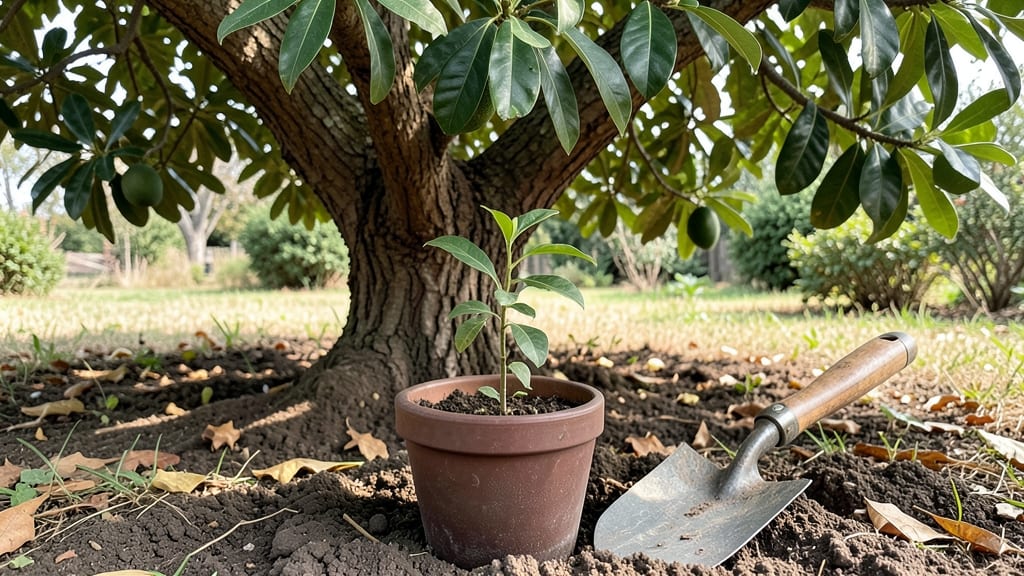
Growing avocados in the right season makes all the difference between a thriving 🥑 tree and one that struggles to fruit.
Want to grow avocados but confused about when to plant? Timing is everything—plant too early or late, and you could miss the entire harvest window. This guide reveals the exact months for planting and fruiting by region, so you can maximize your avocado tree’s potential.
In tropical and subtropical zones like California or Florida, avocados grow year-round, but cooler areas need careful timing to avoid frost damage. Whether you’re in Zone 9 or pushing the limits in Zone 7, knowing the ideal planting window ensures your tree sets fruit—and keeps producing for years.
Here’s what you’ll learn: the best months to plant by climate, how to extend the growing season in cold areas, and seasonal care tips to keep your avocado tree happy from blossom to harvest.
Avocado growing season by USDA hardiness zones: when to plant for best yield
Avocados thrive in USDA Zones 9-11, but with the right care, you can grow them as far north as Zone 7. The key to success lies in understanding your local frost dates and planting during the optimal temperature window.
In colder zones, timing is critical—plant too early, and frost will kill young trees; too late, and you’ll miss the growing season entirely.
Avocados are frost-sensitive and prefer warm, humid climates. While they can tolerate brief dips to 28°F (-2°C), prolonged cold or frost will damage leaves and roots. In Zones 9-11, you can plant year-round, but cooler zones require precise timing to avoid winter damage.
In California, where Zone 9-11 climates dominate, avocados can be planted year-round. However, spring planting (March-May) is ideal because it allows trees to establish roots before the hot summer months.
In Southern California, varieties like ‘Hass’ thrive with minimal frost risk, while coastal areas benefit from cooler summers.
Florida’s Zone 10-11 climate offers year-round planting, but hurricane season (June-November) can delay outdoor planting. Fall planting (September-November) is popular because it avoids summer storms and gives trees time to root before winter. Central Florida growers often choose ‘Fuerte’ or ‘Lamb Hass’, which handle humidity well.
Texas presents a unique challenge due to its variable microclimates. In South Texas (Zone 10-11), planting is year-round, but North Texas (Zone 8) requires container growing or greenhouse protection. The best window for Zone 8 is April-June, after the last frost, to ensure survival through winter.
Microclimates play a huge role in avocado success. A south-facing slope can add 5-10°F of warmth, extending the growing season in cooler zones.
In Zone 7, planting near a heat-retaining wall or using black plastic mulch can help maintain soil temperatures above 60°F (15°C), which is critical for root growth.
If you’re in a transition zone (Zone 8-9), consider planting in containers for flexibility. Move potted trees indoors or under cover during winter months to protect them from temperatures below 30°F (-1°C). This method works well for ‘Wurtz’ or ‘Gwen’ varieties, which are slightly more cold-tolerant.
For optimal fruiting, avocados need consistent warmth and 6+ hours of sunlight daily. In Zones 9-11, trees can produce fruit as early as 12
Key stages of avocado growth: month-by-month timeline from flowering to harvest
Understanding your avocado tree’s growth stages is key to timing care tasks like pruning and fertilization for maximum fruit production. Unlike annuals, avocados follow a multi-year cycle where each season plays a critical role in fruit development.
In tropical climates, growth is nearly continuous, while temperate zones see slower progress during cooler months.
Most avocado varieties bloom in late winter to spring, but fruit development spans nearly two years. The rainy season can accelerate growth, while dry periods may slow ripening.
For example, California’s winter rains boost flowering, while Florida’s summer humidity supports faster fruit swelling. Let’s break down the critical months for each growth phase.
| Stage | Months (Tropical) | Key Actions | Climate Impact |
|---|---|---|---|
| Flowering | Jan–Mar | Prune lightly, fertilize with high-potassium mix | Cooler temps (60–75°F) trigger blooms |
| Fruit Set | Apr–May | Thin overcrowded fruit, monitor for avocado lace bug | High humidity (70%+) aids pollination |
| Rapid Growth | Jun–Sep | Increase watering, apply balanced fertilizer every 6 weeks | Drought stress (<70°F) stunts growth |
| Ripening | Oct–Dec | Reduce fertilizer, harvest when stem detaches | Cool nights (55–65°F) improve flavor |
| Dormancy | Nov–Feb | Prune dead branches, mulch to retain moisture | Frost (<32°F) kills young trees |
During the flowering stage (January–March), your tree needs minimal disturbance—avoid heavy pruning, which can remove potential bloom sites. Instead, focus on applying a potassium-rich fertilizer to support flower development.
In regions like Southern California, cooler winter nights (55–65°F) are ideal for blooming, while Florida’s warmer winters may delay flowering until February.
The fruit set phase (April–May) is critical for determining your harvest size. Thin fruits to 6–8 inches apart to ensure they reach full size—overcrowding leads to small, underdeveloped avocados.
Watch for avocado lace bugs, which thrive in warm, humid conditions like those in Texas’ Gulf Coast. Early detection (yellowing leaves, sticky residue) prevents severe damage.
From June to September, your avocados enter their rapid growth phase, doubling in size during this window. Increase watering to 1–2 gallons per tree weekly and fertilize every 6 weeks with a balanced NPK (8-3-9).
In dry climates like Arizona, mulch heavily to retain moisture—this mimics the tropical rainforest conditions avocados prefer.
As temperatures drop in October–December, focus shifts to ripening and harvest. Avocados ripen on the tree, so avoid picking early—wait until the skin darkens and the fruit yields slightly to gentle pressure.
In cooler microclimates, like Santa Barbara, harvest may extend into January, while Florida’s warmer winters allow year-round ripening.
Finally, dormancy (November–February) is the tree’s time to rest. Prune only to remove dead or diseased branches, and apply a 2–3 inch layer of mulch to protect roots. In Zone 9–10, dormancy is minimal, but young trees benefit from light winter pruning to encourage stronger spring growth.