
Picking
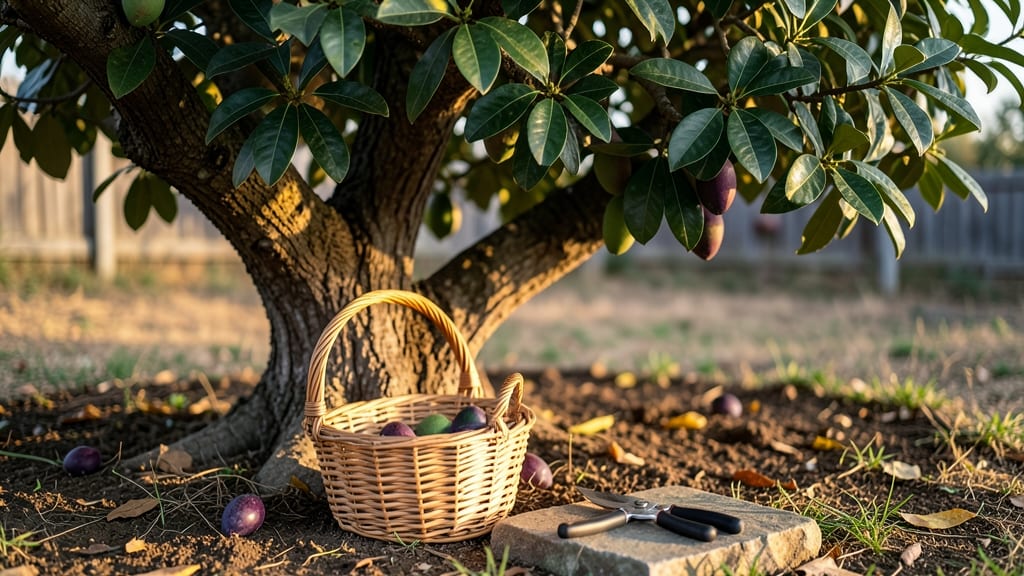
The avocado picking season varies wildly by region—from winter in California to summer in Florida—making it tricky to know when to harvest your 🥑 tree for peak flavor.
Timing your avocado harvest perfectly ensures you enjoy creamy, ripe fruit straight from the tree—but knowing when to pick depends entirely on your region. Miss the window, and you risk mealy, underripe avocados or overripe ones that fall before you can harvest them.
In General (Tropical/Subtropical Regions), like California or Texas, avocados typically ripen in late fall to early winter, while Florida’s peak season stretches from May through July. For home gardeners in cooler zones, indoor trees may bear fruit year-round, but climate still plays a role.
Below, I’ll break down the exact months to harvest by region, how to test ripeness before picking, and the 3 key mistakes that ruin your harvest—so you never waste another avocado on the tree.


Exact avocado picking months by U.s. growing regions
If you're growing Hass avocados in your backyard, timing your harvest is everything. The peak picking season varies dramatically across U.S. regions—from winter in California to summer in Florida. Missing the window means mealiness or fruit that falls before you can pick it.
Let’s break down the exact months for each major growing zone and the maturity cues to watch for.
Most Hass avocados (the most common variety in U.S. home gardens) take 12-24 months to bear fruit after planting. But once they do, the harvest timing shifts based on your climate zone.
In colder regions like Zone 9, you’ll pick in winter, while warmer areas like Zone 11 see harvests year-round. Below, I’ll outline the exact months for the top four avocado-growing states and the key signs your fruit is ready.
summary table element begins here:
| Region | Peak Picking Months | Skin Color | Stem Test | Fruit Weight |
|---|---|---|---|---|
| California (San Diego, Riverside) | December - April | Dark purple-black | Snaps cleanly when twisted | 12-16 oz (firm but yielding) |
| Florida (Miami, Homestead) | June - September | Deep green with yellow tint | Separates easily from branch | 10-14 oz (slightly softer) |
| Texas (South Texas, Rio Grande Valley) | March - July | Black-purple with speckles | Twists off with gentle pressure | 14-18 oz (firm to touch) |
| Arizona (Tucson, Yuma) | October - December | Dark green-black | Stem pulls away smoothly | 12-15 oz (slight give when squeezed) |
In California, the Hass avocado season peaks from December to April, aligning with cooler winter months. This is when the fruit reaches its optimal maturity, turning from green to a deep purple-black.
The stem resistance test is critical here—twist the stem gently, and if it snaps cleanly, it’s ready. California’s cooler winters slow ripening, so you’ll find fewer overripe avocados during this window.
Florida’s summer harvest (June-September) is a game-changer for home growers in the Sunshine State. The skin color shifts to a deep green with yellow undertones, and the fruit feels slightly softer than California varieties.
Florida’s humidity and heat speed up ripening, so check trees weekly during peak season to avoid missed harvests. The fruit weight is typically lighter here, around 10-14 oz.
Texas growers enjoy a spring-to-early-summer harvest (March-July), with avocados maturing faster due to the warm climate. Look for black-purple speckled skin and a clean stem break when twisting.
Texas avocados tend to be heavier (14-18 oz), reflecting the region’s rich soil and irrigation. However, drought stress can delay ripening, so monitor soil moisture closely.
Arizona’s fall harvest (October-December) is perfect for growers who prefer cooler picking conditions. The skin darkens to green-black, and the fruit should detach easily when tugged gently. Arizona’s arid climate means trees need deep, infrequent watering to avoid stress.
If your avocado’s skin stays hard or the stem resists twisting, it’s not ready—wait another 2-4 weeks.
Regardless of your region, Hass avocados should never be picked when hard and green. Overripe avocados will fall from the tree on their own, making them difficult to harvest.
The key is consistency: check your tree every 5-7 days during peak season, and use the skin color, stem test, and weight as your guides.
Pro tip: If you’re in a transitional zone (like Zone 10), your harvest may span multiple seasons. For example, Southern California might see a small winter crop and a larger summer harvest.
Keep a harvest journal to track when your tree bears fruit each year—this helps you anticipate the best picking window in future seasons.
🌱
How to test avocado ripeness before picking
Picking avocados at the right moment ensures you enjoy their signature creamy texture and rich flavor. Unlike store-bought avocados, which ripen after harvest, tree-ripe avocados should be firm but yielding when picked.
The key lies in three simple tests: skin color, stem resistance, and the tap test. Each method reveals critical clues about the fruit's readiness.
First, observe the skin color change. Hass avocados, the most common variety, transition from bright green to a deep purple-black hue. Other varieties like Fuerte turn yellow-green with a reddish blush.
This color shift signals the fruit is nearing maturity, but it’s not the only indicator. Overlooking other tests can lead to underripe avocados that never soften properly.
⚠️ callout warning
- 🟢 Hard green fruit = Unripe (won’t ripen properly off the tree)
- 🤲 Overly soft skin = Overripe (may fall or spoil quickly)
- 🔒 Stubborn stems = Immature (fruit still developing)
- 🍂 Fallen fruit = Too late (often mealy or rotten)
Test 3-5 fruits per tree—some may ripen faster than others. Harvest in the morning when temps are coolest to preserve quality.
The stem resistance test is your next clue. Gently twist the avocado’s stem between your fingers. If it snaps cleanly with minimal force, the fruit is ready. A stem that resists twisting or requires force indicates the avocado is still firm and unripe.
This test is especially critical for Hass avocados, where the stem’s behavior directly correlates with internal ripeness.
For a final check, perform the tap test. Tap the avocado gently with your knuckles—it should feel slightly hollow or yielding, like a ripe fruit at the grocery store.
A solid thud means it’s underripe, while a mushy sound signals overripeness. Combine all three tests for the most accurate results, as no single method guarantees perfection.
Timing is everything when harvesting avocados. Picking too early results in mealy, dry flesh, while waiting too long leads to rotting or fallen fruit. In warmer climates like California or Florida, harvest seasons span year-round, but peak ripeness often occurs in late spring to summer.
Use these tests to fine-tune your harvest schedule and enjoy avocados at their peak.
Pro tip: Once picked, store avocados at room temperature for 1-2 days to ripen fully. Then, refrigerate to slow further ripening. This two-step process mimics natural ripening cues and keeps your avocados fresh and flavorful for weeks. 🥑