
Blooming
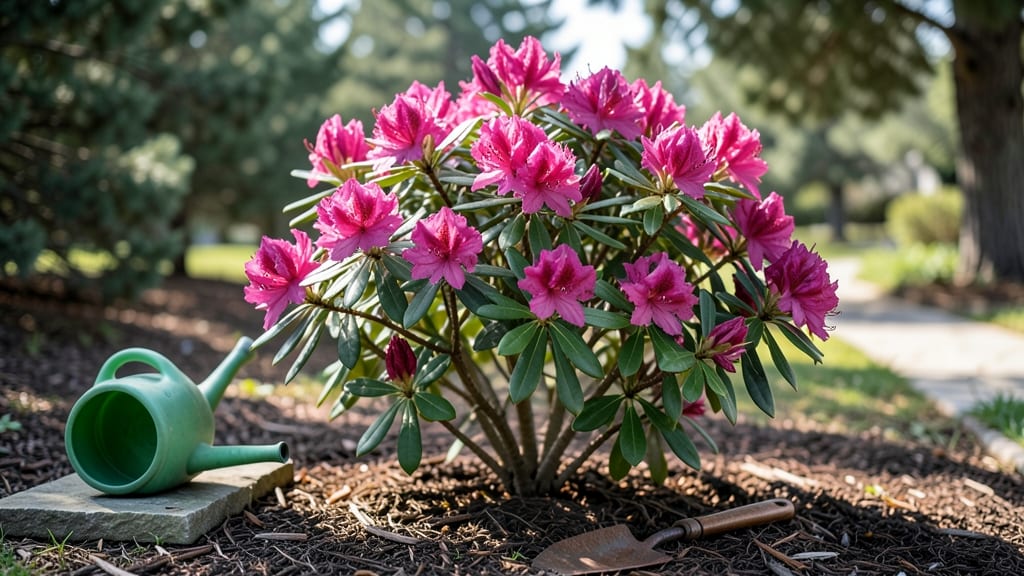
The azalea blooming season arrives in spring, but the exact timing depends on your hardiness zone and the variety you grow.
If you’ve ever dreamed of a garden bursting with vibrant azalea blooms but struggled to predict the perfect timing, hardiness zone and seasonal triggers hold the key to unlocking nature’s most stunning floral displays.
In USDA Zones 7-9, where azaleas thrive, blooms typically arrive between late March and May, but cooler zones like 6 can push timing back until June. The secret? A mix of winter chilling, proper soil acidity, and smart pruning—all factors that shift with your local climate.
Below, I’ll break down the exact bloom windows for your zone, share proven tricks to trigger earlier blooms, and reveal the common mistakes that keep your azaleas from putting on their best show year after year.
Azalea blooming season by USDA hardiness zones: exact timing for peak color
Timing your azalea blooms to perfection starts with understanding your USDA hardiness zone. These stunning shrubs thrive in zones 6 through 10, but their bloom windows shift dramatically between regions.
In cooler zones like 6-7, expect early spring displays, while warmer zones 8-10 often see late spring or even summer blooms. Temperature fluctuations play a crucial role - azaleas need chilling hours during winter to trigger buds, but too much heat can delay or reduce flowering.
Most gardeners in Zone 7 mark their calendars for March through April as peak bloom season. However, this timing can vary by 1-2 weeks depending on local microclimates.
For example, coastal areas in Zone 9 might see blooms as early as February, while inland areas could delay until May. Understanding these variations helps you plan companion plantings and maintenance schedules for optimal results.
The comparison table below breaks down exact bloom windows by zone, including early vs late blooming varieties and how temperature affects timing:
| USDA Zone | Peak Bloom Window | Early Bloomers | Late Bloomers | Temperature Impact |
|---|---|---|---|---|
| Zone 6 | Late April - Early May | Early April (with protection) | Mid-May (cooler springs) | Needs 1000+ chilling hours |
| Zone 7 | March - Early April | Late February (coastal) | Mid-April (inland) | 600-800 chilling hours |
| Zone 8 | February - March | January (mild winters) | April (hot summers) | 400-600 chilling hours |
| Zone 9 | January - February | December (coastal) | March (inland) | 200-400 chilling hours |
| Zone 10 | December - January | November (tropical) | February (hot zones) | Minimal chilling needed |
Notice how Zone 6 azaleas bloom much later than their Zone 10 counterparts. This shift occurs because cooler zones require more winter chilling to break dormancy. In contrast, warmer zones often have fall-blooming varieties that take advantage of milder winters.
If you're in Zone 7 or 8, consider planting both early and late blooming varieties to extend your color season from February through May.
Temperature fluctuations during bloom season can also affect color intensity. Sudden cold snaps after buds form may cause bud blast, while prolonged heat waves can stress plants and reduce flowering.
In Zone 9 and 10, afternoon shade becomes especially critical during bloom season to protect delicate petals from sunburn. I've found that using lightweight shade cloth (30-50%) during peak summer months helps maintain vibrant blooms longer.
For gardeners in transition zones (like Zone 7b), microclimates play a huge role. Azaleas planted on north-facing slopes may bloom 2-3 weeks earlier than those in south-facing exposures.
Similarly, urban areas with heat islands often see delayed blooming compared to rural settings. Pay attention to these local variations when selecting varieties and planning your garden layout.
Another key factor is soil temperature. Azalea roots prefer 60-65°F soil temps for optimal blooming. In cooler zones, this means waiting until late April or May to fertilize, while warmer zones can start as early as February.
I recommend using a soil thermometer to monitor conditions, especially when transplanting container-grown azaleas. Cooler soil temps help establish roots before the bloom rush begins.
If you're planning a season-long azalea display, consider mixing early, mid, and late blooming varieties. For example, pair Rhododendron 'Girard's Pink' (early) with Rhododend
How to trigger azalea blooms early: proven techniques for year-round vibrancy
Azaleas are famous for their show-stopping spring blooms, but with the right techniques, you can coax them into flowering earlier—or even extend their season. The secret lies in understanding their dormancy requirements and creating ideal growing conditions.
Unlike many plants, azaleas need a period of winter chilling (40–50°F for 400–600 hours) to trigger buds. Without this, they’ll skip blooming entirely.
If your azaleas are late bloomers or fail to flower, don’t blame your green thumb. The issue is often tied to soil pH, light exposure, or pruning timing. For example, azaleas thrive in acidic soil (pH 4.5–6.0), and even a slight shift to alkaline can stunt blooms.
Similarly, pruning at the wrong time—like after buds form—can cut off next year’s flowers before they even appear.
Light manipulation is another game-changer. Azaleas prefer partial shade (4–6 hours of morning sun), but too much shade can delay blooming. If your garden is shady, consider reflective surfaces (like white mulch or a light-colored wall) to bounce extra light onto the plants.
In hot climates, afternoon shade is critical—direct sun after noon can scorch buds and stress the plant.
Adjusting your watering schedule can also prompt earlier blooms. Azaleas need consistent moisture, especially during bud formation. Water deeply once a week (or daily for potted plants) during spring, but avoid soggy soil.
A 3-inch layer of mulch helps retain moisture and regulate soil temperature, which is key for bud development.
For year-round vibrancy, choose fall-blooming varieties like ‘George L. Taber’ or ‘Otome’, which flower in late autumn. These types naturally extend your display and require the same care as spring bloomers. Just ensure they still get their winter chilling hours, even if they bloom later in the season.
Finally, monitor your hardiness zone. Azaleas in Zones 6–9 may need winter protection (like burlap wraps) to survive freezing temps, which can disrupt their dormancy cycle. In milder zones (Zone 10+), they might bloom sporadically year-round, but pruning and fertilizing will keep them at peak performance.