
Flowers
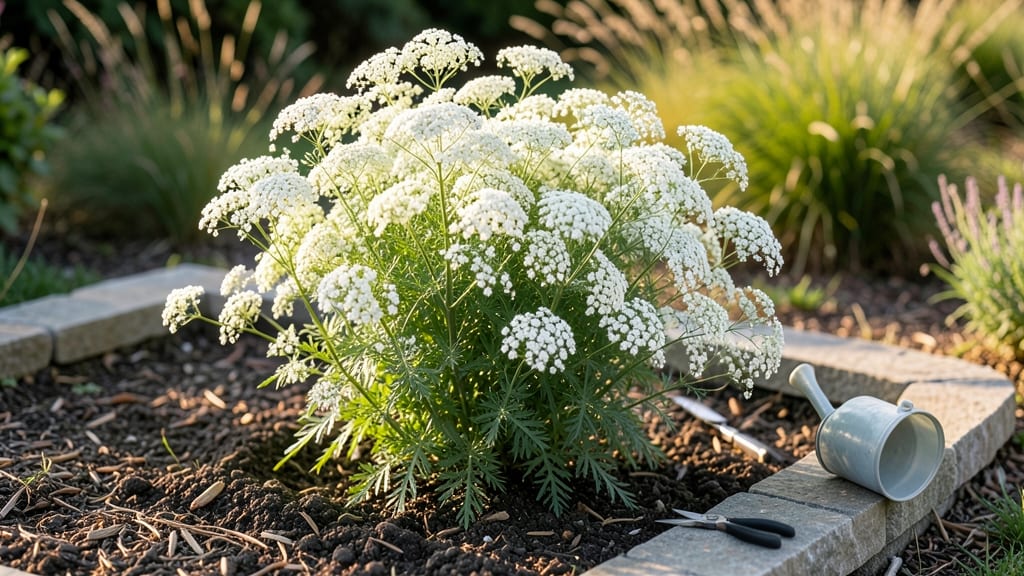
The a baby’s breath season arrives when most gardens sleep—those delicate, frost-resistant plumes emerge in late fall and dance through winter’s chill. ✨ I’ve grown it in both my Zone 5 garden and a friend’s Zone 8 patio, and it thrives in conditions. that would kill most flowers.
The secret lies in planting timing and a few simple seasonal adjustments that keep it blooming reliably.
Cool-season varieties like 'Snowdrift' or 'White Bouquet' perform best when sown in early fall—about 6-8 weeks before your first frost. In warmer zones, a late summer planting works too.
The key is giving roots time to establish before winter sets in, so they can draw moisture from the ground rather than the air. Mulch heavily after planting to protect tender new growth from temperature swings.
What you'll get is a cloud of airy white blooms that brighten winter containers, fill gaps in late-season arrangements, and attract pollinators when little else is flowering.
Deadhead spent stems in early spring to encourage a second flush of blooms, and watch as new growth emerges even when snow still clings to the lawn. The fragrance is subtle but intoxicating—like a whisper of fresh linen on a crisp morning.
In colder climates, treat it as a tender perennial that may need winter protection; in warmer zones, it often self-seeds and returns year after year.
The same care works whether you're growing it in pots on a balcony or as a border in the garden—just adjust watering to match your winter rainfall. Here's how to make it last from October through March.
📚 In This Guide
- What you need
- Instructions
- Tips and common mistakes
- Wrapping up and next steps
What you need
- ● Baby’s Breath seeds or cuttings: 10–20 seeds (for planting) or
- ● 3–5 healthy cuttings (for propagation)
- ● Well-draining potting mix: 1–2 bags (10–15 lbs each), enriched with compost for nutrients.
- ● Containers or garden bed: Small pots (4–6 inches wide) for seedlings, or
- ● Garden plot with full sun exposure (6+ hours/day).
- ● Watering can or spray bottle: With a fine mist nozzle for gentle hydration.
- ● Fertilizer: Balanced (10-10-10) or low-nitrogen formula, diluted to half-strength.
- ○ Mulch (optional but recommended): Straw or shredded leaves to protect roots from frost.
- ● Floral preservative (for cut arrangements) – 1 small bottle.
- ● Garden gloves – To protect hands while handling delicate stems.
- ● Grow lights – For indoor seedlings (12–16 hours/day).
- ● Decorative pebbles – For drainage and aesthetics in pots.
- ● Frost cloth – Lightweight fabric to shield plants during unexpected cold snaps.
How to create a frost-resistant baby's breath display
Winter gardens don't have to be bare—here's how I bring delicate beauty to cold months.
🌱 Step 1: Select the Right Varieties for Your Climate
Choose Gypsophila species that thrive in frost—Gypsophila paniculata (baby's breath) and Gypsophila repens handle light freezes best. Look for plants labeled "winter-hardy" or "cold-tolerant" at nurseries. I always pick white varieties first—they reflect sunlight better in winter, preventing heat stress.
Check your USDA hardiness zone—most baby's breath varieties survive down to zone 4 with proper prep. If you're in zone 5 or colder, opt for Gypsophila repens as it tolerates 10-15°F better than others. Avoid tropical varieties like Gypsophila elegans—they'll crisp in frost.
☀️ Step 2: Plant in Late Summer for Winter Establishment
Set out transplants 6-8 weeks before your first frost date—this gives roots time to establish before cold hits. Plant in full sun (6+ hours daily) for best winter survival. I dig holes twice as wide as the root ball but only as deep—burying too deep suffocates roots.
Space plants 12-18 inches apart—crowding reduces airflow, trapping moisture that freezes and damages stems. Mix 1 cup of compost into the bottom of each hole for winter nourishment. Water deeply right after planting to settle soil around roots, then let the ground dry slightly before winter.
🪴 Step 3: Protect with Mulch and Frost Blankets
Apply 3-4 inches of straw mulch around each plant after the first frost. Straw insulates roots while allowing airflow—never use leaves (they mat down and trap moisture). I always avoid wood chips too; they break down too slowly and can smother plants.
When temperatures drop below 20°F, drape frost blankets (not plastic) over plants. Secure edges with bricks or landscape pins—wind can tear fabric and expose tender growth. Remove blankets on sunny days to prevent overheating. Watch for condensation on stems; wipe dry if you see it to prevent fungal rot.
✂️ Step 4: Prune and Fertilize for Winter Bloom
Cut back spent blooms in early fall to encourage new winter growth. I shear plants back by one-third to promote bushier, frost-resistant stems. Avoid heavy pruning after mid-October—new growth won't harden off before winter.
Apply slow-release fertilizer (10-10-10) in early autumn—no nitrogen-heavy feeds after September. Too much green growth weakens winter hardiness. Water deeply once a month during frost-free periods to maintain root health. If snow covers plants, brush it off—accumulated snow can weigh down stems and cause breakage.
💧 Step 5: Monitor and Adjust Through Winter
Check plants weekly for ice encasement—gentle tapping with a stick removes buildup without damaging stems. If stems turn black or mushy, it's a sign of snow mold—remove affected parts immediately and improve airflow around plants.
In zone 5 and colder, add extra mulch after heavy snowfall to insulate roots. If temperatures dip below 5°F for prolonged periods, cover plants with burlap sacks for added protection. You'll see new buds forming in late winter—this means your plants are thriving despite the cold.
Tips & tricks for perfect winter baby's breath displays
These little-known tricks will help your frost-resistant blooms thrive all winter long.
Variety Selection: In Step 1, when choosing your Gypsophila paniculata or repens, look for plants with sturdy stems—they handle ice better. I always opt for the white varieties mentioned because they reflect sunlight more effectively, preventing heat stress during sunny winter days. The key is selecting plants labeled as "cold-tolerant" at your nursery, not just "winter-hardy."
Planting Preparation: For Step 2, I recommend digging your planting holes 48 hours before transplanting—this improves soil aeration. When mixing 1 cup of compost into each hole, I like to add a handful of perlite too (optional) to improve drainage. This prevents waterlogging that can freeze and damage tender roots. Remember to water deeply right after planting, but let the soil dry slightly before winter sets in.
Protective Layering: In Step 3, when applying your 3-4 inches of straw mulch, create a slight mound around the base of each plant. This helps direct melting snow away from stems during thaw cycles. For the frost blankets, I always use breathable fabric (never plastic) and secure them with landscape pins—bricks can be too heavy and damage stems. Watch for condensation on stems during warm days and wipe it dry immediately to prevent fungal rot.
Winter Care: During Step 5's weekly checks, I carry a small soft-bristle brush to gently remove ice buildup. For snow mold prevention, I've found that spreading a thin layer of diatomaceous earth around plants (optional) after heavy snowfall helps deter fungal spores. In zone 5, I double the mulch thickness to 6 inches after the first hard freeze—this extra insulation makes all the difference for survival.
Pro Tips for Baby'S Breath Season
- These little-known tricks will help your frost-resistant blooms thrive all winter long.
- Variety Selection: In Step 1, when choosing your Gypsophila paniculata or repens, look for plants with sturdy stems—they handle ice better.
- Planting Preparation: For Step 2, I recommend digging your planting holes 48 hours before transplanting—this improves soil aeration.
Frequently asked questions
Got questions about baby’s breath season? You’re not alone!
Whether you’re a first-time gardener or a seasoned floral enthusiast, these answers will help you navigate the delicate beauty of Gypsophila during winter’s chill. Let’s dive in!
When is the best time to plant baby’s breath for winter blooms?
Baby’s breath thrives in cooler weather, so plant seeds 8–10 weeks before your first frost (typically late summer for most U.S. zones). For hardier varieties like Gypsophila paniculata, you can even sow directly in early fall. Just ensure well-draining soil—these blooms hate soggy roots!
Can baby’s breath survive a light frost, or should I protect it?
Most baby’s breath varieties are frost-tolerant but may wilt under heavy ice. For extra protection, mulch the base with straw or leaves and cover tender stems with frost cloth if temps drop below 20°F. Remove covers on sunny days to prevent moisture buildup.
What are some winter-friendly alternatives if baby’s breath struggles in my climate?
If your zone is too harsh, try these frost-resistant companions:
- Sweet alyssum (tiny white/purple blooms, edible)
- Pansies (bold colors, thrive in cold)
- Winter jasmine (yellow stars, evergreen stems)
- Candytuft (similar lace-like flowers, hardy to Zone 4)
Why is my baby’s breath turning brown and crispy in winter?
Brown, brittle stems usually mean one of three issues:
- Overwatering: Baby’s breath rots in wet soil. Let the top inch dry between waterings.
- Fungal disease (like powdery mildew): Space plants for airflow and avoid overhead watering.
- Freeze damage: If stems snap, trim back to healthy growth—new shoots will emerge in spring!
How can I extend baby’s breath season into early spring?
Prolong blooms by:
- Adding a balanced winter fertilizer (low nitrogen) every 4–6 weeks.
- Pruning back 1/3 of the plant in late winter to stimulate new growth.
- Planting in sheltered spots (near fences or walls) for extra warmth.
Wrapping up and next steps
As you embrace baby’s breath season, remember that these delicate blooms bring more than just beauty—they offer resilience, charm, and a touch of winter magic to your space.
Whether you’re growing them in your garden or arranging them in bouquets, their ethereal presence proves that even the frostiest days can spark joy. 🌸✨
Now that you’re armed with tips and tricks, why not take the next step? Try experimenting with a new arrangement or share your favorite baby’s breath varieties with fellow plant lovers. Happy blooming!