
Container Gardens
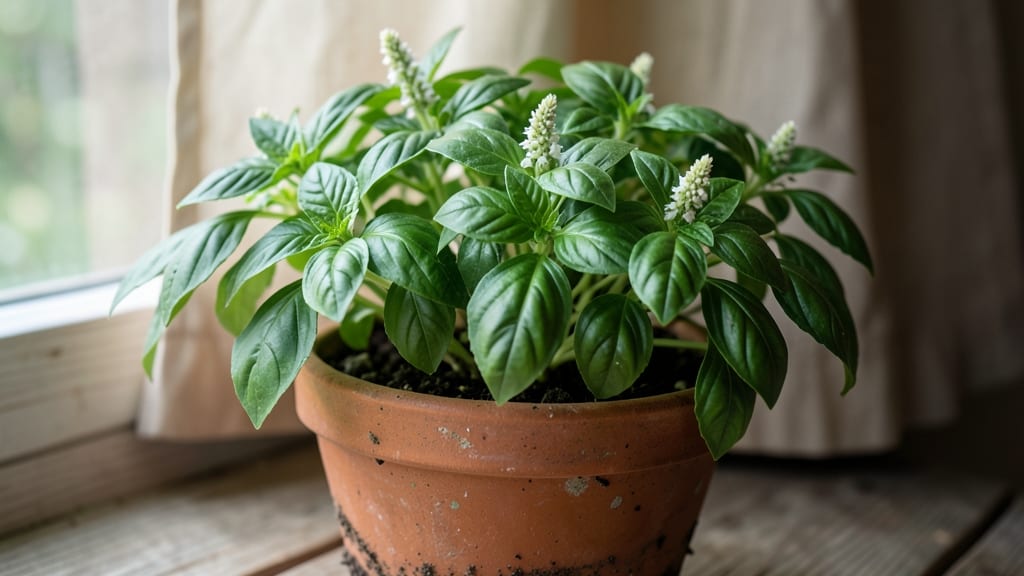
Growing basil thrives during its ideal season—spring through summer—when warm soil and long daylight hours fuel its rapid growth 🌿.
If you’ve ever struggled to keep basil thriving—or worse, watched your plants bolt too early—timing is the secret weapon you’ve been missing. The right growing season can turn your garden from a gamble into a guaranteed harvest of fragrant, flavorful leaves.
For most gardeners in Zone 6a, the sweet spot runs from late April through September, but regional differences matter. Whether you’re planting outdoors or in containers, knowing when to start and how to extend the season makes all the difference.
Below, I’ll break down the exact planting windows, peak harvest months, and how to avoid common mistakes—so you can enjoy fresh basil all season long.
When to plant basil by USDA climate Zone: exact start months
Timing your basil planting by USDA climate zone is the difference between lush, flavorful harvests and sad, bolting plants. Basil is a warm-season herb that despises frost, so knowing your last frost date and soil temperature thresholds is critical. In cooler zones, you’ll need to wait until May or June, while warmer climates can start as early as March. Let’s break down the exact windows for Zones 3 through 11, including cold-hardy varieties and transplanting tricks.
For most gardeners, the ideal soil temperature for planting basil is 55°F (13°C) or warmer. This ensures strong root development and prevents cold shock, which can stunt growth or kill seedlings. Use a soil thermometer to check—if it’s cooler, hold off until conditions improve.
In Zones 3-5, this often means waiting until late May or early June, while Zones 6-10 can start as early as April. Zone 11’s mild winters even allow year-round planting with proper shade.
| USDA Zone | Optimal Planting Window | Soil Temp Threshold | Cold-Hardy Variety | Transplant Tip |
|---|---|---|---|---|
| Zones 3-4 | Late May - Early June | 55°F+ (13°C+) | 'Spicy Globe' (tolerates 28°F) | Start indoors in March |
| Zones 5-6 | Mid-April - Early May | 50°F+ (10°C+) | 'Sweet Basil' (hardy to 40°F) | Use row covers for early starts |
| Zones 7-8 | Early April - Mid-May | 55°F+ (13°C+) | 'Genovese' (heat-tolerant) | Direct sow after last frost |
| Zones 9-10 | February - March | 60°F+ (16°C+) | 'Thai Basil' (heat-loving) | Sow every 2 weeks for succession |
| Zone 11 | Year-round (shade in summer) | 65°F+ (18°C+) | 'Lemon Basil' (drought-tolerant) | Use 50% shade cloth in peak heat |
In Zones 3-5, where frosts linger into May or June, opt for cold-hardy varieties like 'Spicy Globe' or 'Napoletano'. These can tolerate brief dips to 28°F (-2°C), but still avoid planting until soil warms.
For a head start, sow seeds indoors 6-8 weeks before your last frost date, then transplant seedlings once temperatures stabilize. Use black plastic mulch to warm soil faster—this can shave 1-2 weeks off your planting window.
For Zones 6-8, where last frosts typically occur in April, aim to plant 2-3 weeks after your average last frost date. This gives soil time to reach 55°F (13°C) consistently.
If you’re eager for an early harvest, try starter plants from a nursery, but harden them off properly to avoid transplant shock. In Zone 7, for example, planting in mid-April often yields better results than rushing in March, even if soil temps are borderline.
Gardeners in Zones 9-11 enjoy the longest growing seasons, but even here, timing matters. In Zone 9, start in February for an early crop, then sow every 2 weeks through October to ensure a continuous supply.
In Zone 11, basil can grow year-round, but provide afternoon shade during summer to prevent heat stress. Choose heat-tolerant varieties like Thai or Lemon Basil, which handle
Basil’s peak growing season: how to extend harvests beyond bolting
Once your basil plants finally reach their peak growing season—typically June through September—the real challenge begins: keeping them productive. This 8-12 week window is your golden opportunity for maximum leaf production, but heat stress and bolting can cut it short if you're not careful.
The key is proactive care, starting with pruning techniques that encourage bushier growth while preventing flower stalks from stealing energy from your leaves.
I’ve learned the hard way that basil doesn’t just need sun—it needs the right kind of attention. In my Zone 8b garden, where summers stretch into 90°F+ temperatures, I’ve had to get creative with shade management and companion planting to keep my plants happy.
The difference between a thriving basil harvest and a bitter, bolting mess often comes down to these simple but critical strategies.
⚠️ Don’t Ignore These Bolting Warning Signs!
Your basil sends clear signals before bolting—pay attention to these 3 critical clues:
- 🌱 Tall, leggy stems (reaching 12+ inches without bushiness)
- 🌡️ Leaves turning yellow at the base (heat stress or nutrient deficiency)
- 🌿 Small white flowers appearing at stem tips (too late—act now!)
PRO TIP: Pinch off flower buds immediately—they drain energy from your leaf production.
My first line of defense is regular pruning. Every 2-3 weeks, I snip the top sets of leaves just above a leaf node using clean bypass pruners. This encourages lateral branching, giving you more harvestable leaves per plant.
I always harvest in the morning when oils are most potent, and I use those leaves immediately or freeze them for later. Pro tip: Never take more than 1/3 of the plant at once—this prevents shock and keeps growth steady.
For Zone 8+ gardens, heat stress is the silent harvest killer. When temperatures hit 90°F+, I provide afternoon shade using lightweight shade cloth (30-50%) or even a white umbrella.
I’ve also had success with companion planting: marigolds deter pests, while tomatoes provide natural shade and improve soil health. The tomato-basil combo isn’t just a culinary classic—it’s a growing synergy that extends your basil’s productive life by 3-4 weeks.
Watering correctly makes all the difference. Basil hates soggy roots but wilts fast when thirsty. I water deeply at the base every morning (before 10 AM) using drip irrigation or a soaker hose.
Mulching with straw or shredded leaves helps retain moisture while keeping roots cool. One year, I skipped mulch in the heatwave, and my basil bolted in 10 days—a painful lesson!
If you’re growing basil in containers, choose 5-gallon pots minimum for better heat tolerance. I use black fabric pots because they absorb and retain heat, which actually helps in cooler mornings.
For extended harvests, I replace old plants every 6 weeks with new seedlings, ensuring a continuous supply of fresh leaves. This works especially well for Genovese or Purple basil, which are more heat-tolerant than sweet basil varieties.
Remember, basil’s peak season is your chance to stock up for winter. Freeze leaves in ice cube trays with water or oil, or dry them for later use.
With these strategies, you’ll turn your 8-12 week harvest window into a near-year-round supply—no more store-bought basil when your garden’s at its best! 🌿