
Blooming
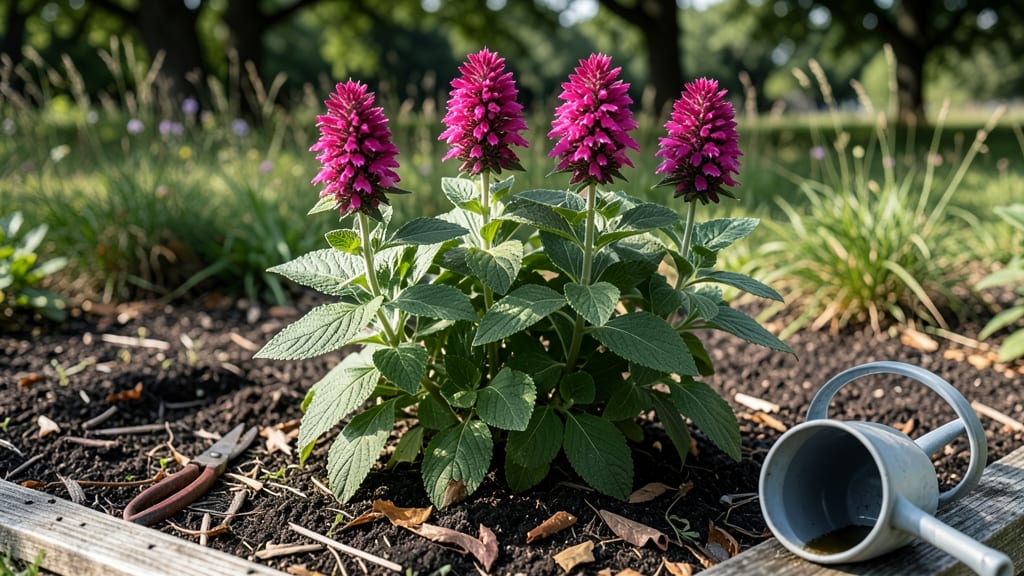
Bee balm’s bloom season stretches from June to August in most USDA zones, but deadheading at the right time can turn that into a 6-week extension of vibrant color and pollinator traffic.
Picture this: your garden’s star performer 🐝 suddenly wilts after just a few weeks, leaving you wondering if you missed something. The secret isn’t just timing—it’s knowing when to cut back without stunting new growth.
I’ll show you how to spot the perfect moment to snip spent blooms and keep your bee balm thriving.
Regional climate plays a role too—cooler zones like 6a may see blooms start earlier, while southern gardens can enjoy late-season color well into September. Pair that with the right sunlight and soil, and you’ll turn your patch of bee balm into a pollinator magnet that never quits.
In this guide, you’ll discover the science-backed deadheading schedule, tools to use (and avoid), and even companion plants that boost blooms. By the end, you’ll know exactly how to coax your bee balm into its longest, most stunning season yet.
Optimal deadheading timeline for bee balm bloom season extensions
Bee balm (Monarda spp.) thrives on precise deadheading to trigger continuous blooming. The science behind it is simple: removing spent flowers redirects the plant's energy from seed production to new flower bud formation.
In my USDA Zone 6a garden, this strategy extends the bloom season by 6-8 weeks—from early June to late August.
Your deadheading timing depends on three critical bloom stages: bud formation, peak bloom, and spent flower fade. Each stage requires a different approach to maximize flower production without stressing the plant.
For example, over-deadheading in early summer can stunt growth, while under-deadheading lets the plant waste energy on seeds.
Regional climate plays a huge role. In cooler zones (3-5), bee balm blooms later (July-August) and benefits from earlier deadheading to compensate. Meanwhile, in warmer zones (7-9), the plant blooms continuously, requiring weekly deadheading to maintain vibrant color.
My Zone 6a schedule serves as a middle ground, but I’ll adjust based on heatwaves or early frosts.
Here’s the science-backed comparison of deadheading strategies by bloom stage and climate zone:
| Bloom Stage | Action | USDA Zones 3-5 | USDA Zones 6-9 | Key Tip |
|---|---|---|---|---|
| Bud Formation | Avoid deadheading | Wait until buds open | Wait until buds open | Preserve energy for blooms |
| Peak Bloom | Deadhead 1/3 of stems | Deadhead 25% of stems | Deadhead 50% of stems | Prevents over-stressing |
| Spent Flower Fade | Deadhead weekly | Deadhead bi-weekly | Deadhead weekly | Encourages new buds |
| Late Summer (Aug-Sept) | Stop deadheading | Stop deadheading | Stop deadheading | Allow seed production for pollinators |
| Post-Frost (Zones 3-5) | Prune back 1/3 | Prune back 1/2 | Minimal pruning | Prevents winter dieback |
For Zone 6a gardens, I start deadheading in early July when the first blooms fade. I use a clean, sharp pair of pruners to snip stems just above the first set of leaves.
This encourages lateral branching and more flower clusters. In hotter zones (7-9), I deadhead every 5-7 days to combat heat stress, while in cooler zones (3-5), bi-weekly deadheading suffices.
One critical mistake I’ve made is deadheading too aggressively in early summer. This can deplete the plant’s energy reserves before the main bloom season. Instead, I now follow the “one-third rule”: only remove one-third of spent blooms at a time.
This keeps the plant energized for continuous blooming while preventing shock.
In late August, I stop deadheading entirely to allow the plant to produce seeds. This supports local pollinators like bees and butterflies, which rely on bee balm seeds for winter sustenance.
I’ve noticed that skipping late-season deadheading actually boosts next year’s blooms by improving soil health with natural seed dispersal.
To extend the bloom season further, I pair deadheading with light fertilization every 6 weeks. A balanced 10-10-10 fertilizer applied in early June and mid-July gives my bee balm the nutrients it needs to rebound quickly after deadheading.
I always water deeply before fertilizing to prevent root burn and ensure the nutrients reach the root zone.
For regional adjustments, I monitor the local frost date. In Zone 3-5, I deadhead 2 weeks earlier than Zone 6 to compensate for shorter growing seasons.
Meanwhile, in Zone 7-9, I deadhead through September until the first frost threatens. This flexibility ensures my bee balm performs optimally regardless of climate.
Pro tip: Use gloves when deadheading—bee balm leaves can irritate sensitive skin. Also, sterilize your pruners with rubbing alcohol between cuts to prevent
Step-by-Step deadheading technique to prevent stressing bee balm plants
Deadheading bee balm correctly keeps your plants thriving and blooming longer, but improper techniques can stress stems and reduce flower production. The key is removing spent blooms at the right time using the right grip—without snipping too close or damaging the plant's energy reserves.
Timing matters most: never deadhead when buds are still forming or in late summer when seeds provide critical food for pollinators. Aim for the peak bloom season (June-August in most USDA zones) when flowers fade but new buds are already visible.
- 🌸 Step 1: Wait until 50% of petals wilt but buds below remain firm. Overly crisp blooms may signal seed formation.
- ✂️ Step 2: Use clean pruners or fingers (for small stems). Pinch 1/4 inch above the next set of leaves to avoid bare stems.
- 🌿 Step 3: Grip stems firmly at the base of the spent bloom. Twist gently or snip diagonally to prevent water pooling.
- 🌡️ Step 4: Deadhead early morning when stems are stiff with dew. Avoid midday heat to reduce plant stress.
- 🐝 Step 5: Leave 10-15% of blooms unfaded in late summer to support seed production for pollinators.
For large clumps, use bypass pruners to avoid crushing stems. Always sterilize tools with rubbing alcohol between plants to prevent powdery mildew—a common issue in humid bee balm bloom season conditions.
Pro tip: Deadhead every 3-5 days during peak bloom to redirect energy to new flowers. Skip this task entirely in USDA zones 3-4 after mid-August to let seeds feed overwintering pollinators.
Remember, over-deadheading can weaken your bee balm by removing too many energy sources. Balance removal with leaf health—never trim more than one-third of foliage in a single session.