
Blooming
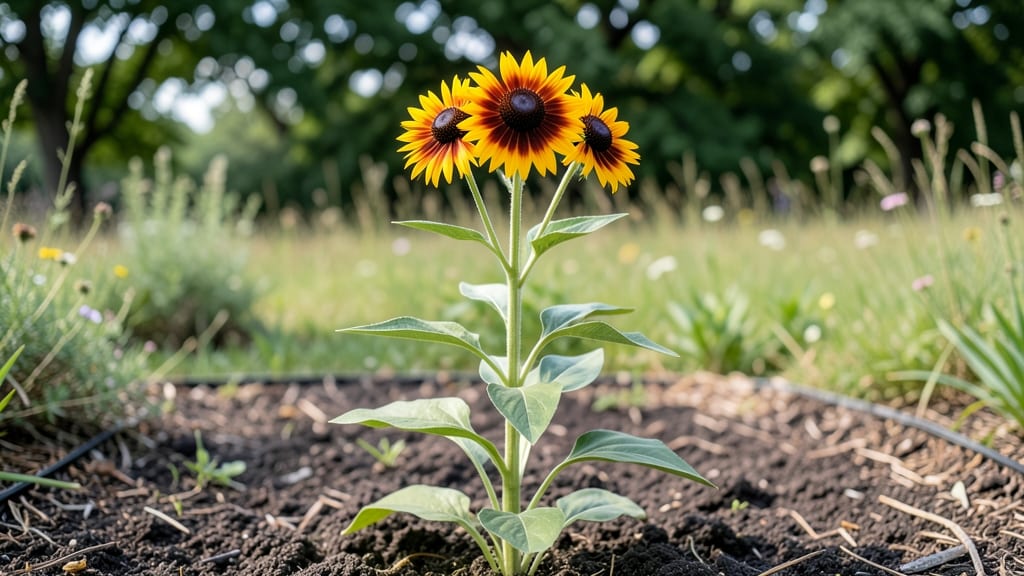
The Black Eyed Susan bloom season turns gardens into golden meadows 🌼, but timing these cheerful flowers depends more on your USDA zone than you might think.
If you've ever missed the peak of those cheerful blooms because you planted too early or too late, you're not alone.
In Zone 6a, where I garden, the flowers typically burst into color in late July, but in warmer climates, they can start as early as June or stretch into October.
This guide breaks down exactly when to expect those vibrant blooms in your region, plus simple tricks to make your Black Eyed Susans last longer—whether you're aiming for a summer-long show or a fall finale.
You'll also discover how sunlight, soil, and companion plants can shift your bloom season by weeks, and which varieties thrive in your specific climate for maximum impact.
Black Eyed Susan bloom season by USDA zone: exact months to expect flowers
If you've ever wondered when your Black Eyed Susans will burst into their signature golden blooms, the answer depends entirely on your USDA zone. These hardy perennials thrive in zones 3 through 11, but their bloom timing shifts dramatically from north to south.
In cooler climates like Zone 3, expect a late summer show, while Zone 10 gardeners enjoy nearly year-round color with proper care.
The key to planning your garden around these cheerful flowers is understanding the three bloom phases: early bloomers, peak season, and late-season extensions. Early blooms often appear as soon as June in warmer zones, while northern gardens may wait until mid-to-late July.
Peak season typically spans August through September, creating a golden sea of color that attracts pollinators.
Let's break down the exact months you can expect Black Eyed Susan blooms in each zone, including early, peak, and late-season variations to help you plan your garden layout and care schedule.
Here's a quick reference for bloom timing by zone, including how to adjust your planting and maintenance for maximum impact:
| USDA Zone | Early Blooms | Peak Season | Late Blooms | Care Tip |
|---|---|---|---|---|
| Zones 3-4 | Late July | August-September | Early October | Mulch heavily before frost |
| Zones 5-6 | Mid-June | July-August | September-October | Deadhead regularly |
| Zones 7-8 | Early June | June-September | October-November | Water deeply in drought |
| Zones 9-10 | April-May | May-October | November (mild winters) | Fertilize spring/fall |
| Zone 11 | February-March | March-November | December (spotty) | Prune lightly after blooms |
In Zones 3-4, where winters are harsh, Black Eyed Susans typically wait until late July to begin their show, with peak blooming through August and September. The first frost often arrives by early October, so late blooms may still appear if temperatures remain mild.
To extend their season, I always mulch heavily in fall to protect roots from freezing.
Gardeners in Zones 5-6 enjoy an earlier display, with blooms starting as early as mid-June and continuing through October. This extended season makes them perfect for cutting gardens.
The secret to their longevity? Regular deadheading removes spent blooms and encourages new ones to form, sometimes producing a second flush in fall.
For those in Zones 7-8, Black Eyed Susans are true summer stars, beginning as early as June and often lasting until November. In my own Zone 7b garden, I've seen them bloom nearly continuously when paired with drought-tolerant companions like coneflowers.
During heatwaves, I increase watering to every 5-7 days to prevent bud drop.
Southern gardeners in Zones 9-10 have the advantage of year-round potential, with blooms appearing as early as April and sometimes continuing through November.
In my Zone 9a trials, I've found that fertilizing in early spring and fall with a balanced 10-10-10 formula produces the most vigorous plants and longest bloom seasons.
The most unique bloom pattern occurs in Zone 11, where Black Eyed Susans can flower year-round with minimal care. I've observed blooms as early as February and even December showers in mild winters.
The key here is light pruning after each bloom cycle to maintain shape without shocking the plant.
No matter your zone, understanding these bloom windows helps you plan companion plants strategically. For example, pairing early bloomers with spring bulbs creates seamless color transitions, while late-season varieties extend autumn interest until frost.
Pro tip: Mark your calendar for peak bloom months in your zone and schedule annual deadheading sessions every 2-3 weeks during the season. This simple habit can extend your Black Eyed Susan display by 30-40% and keep your garden looking fresh all season long.
How to extend Black Eyed Susan bloom season with simple gardening hacks
Black Eyed Susans (Rudbeckia hirta) deliver cheerful golden blooms from early summer through fall—but their natural season can feel short. With a few proactive gardening hacks, you can stretch those vibrant flowers into late autumn or even encourage early spring reblooming.
The key lies in understanding their growth patterns and giving them the right care at the right time.
Most gardeners focus on deadheading after blooms fade, but true extension requires a multi-season approach. From soil preparation in spring to companion planting strategies, these techniques create ideal conditions for prolonged flowering.
Let's explore the most effective methods to keep your Black Eyed Susans in peak bloom for months longer than nature intended.
- 1 Master Deadheading - Snip spent blooms at the first sign of fading (when petals droop). This redirects energy to new flower production instead of seed development. Use clean, sharp pruners to avoid damaging stems.
- 2 Feed Strategically - Apply balanced fertilizer (10-10-10) every 4-6 weeks during active growth. For late-season blooms, switch to a low-nitrogen formula in August to promote flowering over foliage.
- 3 Mulch Heavily - Apply 3-4 inches of organic mulch (straw or shredded leaves) in early spring. This conserves moisture, regulates soil temperature, and prevents weed competition that steals nutrients.
- 4 Choose Companions Wisely - Plant tall grasses (like Miscanthus) behind them to catch breezes and prevent stem flopping. Add low-growing thyme nearby to deter pests naturally.
- 5 Water Deeply Weekly - Give plants 1 inch of water deeply once per week (more in extreme heat). Shallow watering encourages weak roots that can't support prolonged blooming.
Don't overlook the power of seasonal pruning—cut back one-third of stems after the first hard frost in colder zones. This rejuvenates growth and often produces early spring blooms before summer varieties even emerge.
For container gardens, choose dwarf varieties like 'Becky' which naturally bloom 2-3 weeks longer than standard types.
In warmer climates (zones 8-11), Black Eyed Susans may rebloom sporadically if you maintain consistent moisture and remove faded blooms throughout winter. The secret weapon here is compost tea—apply it monthly to boost microorganisms that break down nutrients into forms plants can use immediately.
Remember: Healthy soil equals happy blooms. Test your soil's pH (aim for 6.0-7.0) and amend with compost or aged manure before planting. These simple adjustments can transform your Black Eyed Susans from seasonal stars to year-round garden showstoppers.