
Picking
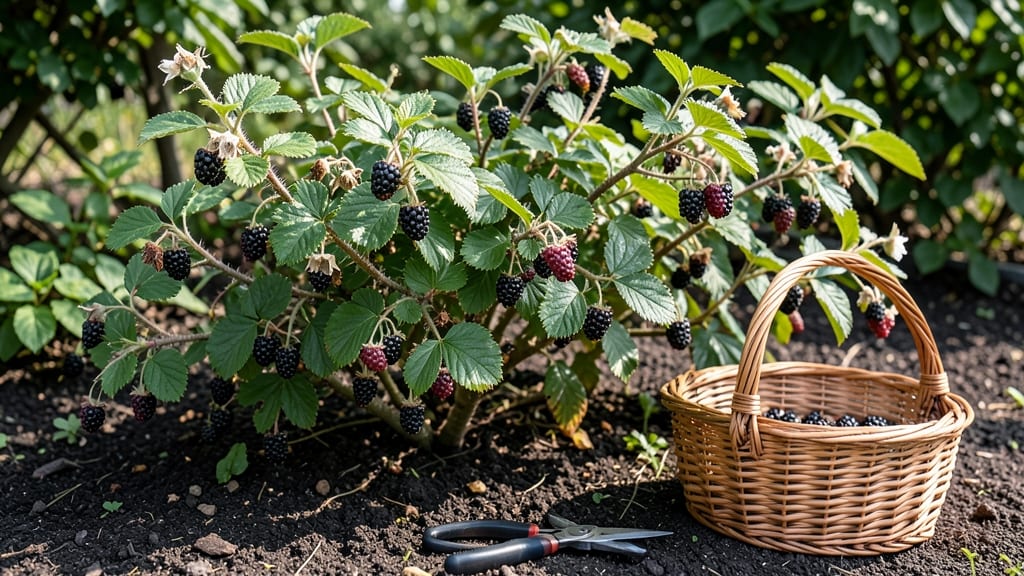
The blackberry harvest season arrives with a sweet, juicy payoff for gardeners who’ve waited all year—if you time it right.
Picture this: you’re reaching for a berry that’s still tart, or worse, watching them rot on the vine because you missed the window. That’s the difference between a bountiful harvest and wasted effort.
Knowing when to pick—whether you’re in Zone 6a or further south—means the difference between jam jars full of flavor and a sad, shriveled batch.
From July to September, blackberries 🫐 go from firm to perfect in just days, and the weather, pests, and even your pruning habits can shift that window.
I’ll break down the exact months for your zone, how to spot peak ripeness (no more guessing!), and the simple tricks to stretch your harvest—so you’re not left with half-ripe berries or a sudden bird invasion.
Ready to turn your patch into a fruit-filled goldmine? Here’s how to nail the timing, avoid common mistakes, and keep the berries coming all season long.

Blackberry harvest months by USDA growing zone (with ripeness tips)
Getting your blackberries to the perfect ripeness means knowing exactly when to harvest by your USDA growing zone. In cooler zones like Zone 5, your first berries might appear in early July, while gardeners in Zone 10 can enjoy harvests stretching into September.
The key is timing—pick too early, and you’ll get tart, underripe fruit; wait too long, and the berries turn mushy. Let’s break down the exact harvest windows for each zone and how to test ripeness like a pro.
Blackberries are non-climacteric fruit, meaning they won’t ripen further after picking. That’s why color, texture, and ease of detachment are your best ripeness indicators.
A fully ripe blackberry should be deep black or purple, slightly soft to the touch (but not mushy), and twist off the cane with minimal effort. If you’re unsure, give it a gentle tug—if it doesn’t come off easily, it’s not ready yet.
Here’s a quick reference for peak harvest months by zone, along with ripeness tips to ensure you’re picking at the perfect moment:
| USDA Zone | Peak Harvest Months | Ripeness Test | Key Tip |
|---|---|---|---|
| Zones 5-6 | Late July - Early August | Deep purple-black, glossy | Harvest early to avoid bird damage |
| Zones 7-8 | Mid-July - Mid-September | Firm but yields to gentle pressure | Check daily—berries ripen quickly |
| Zones 9-10 | June - Late September | Plump, detaches easily | Thin canes to improve airflow |
In Zones 5-6, blackberries typically ripen in late July to early August, but cooler springs can delay harvests by a week or two. If you’re growing everbearing varieties, you might see a second flush of berries in late August or September.
These zones often struggle with bird predation, so consider netting your bushes if you notice birds eyeing your crop.
Gardeners in Zones 7-8 enjoy a longer harvest window, from mid-July to mid-September. This extended season means you’ll need to check your bushes every 2-3 days—blackberries ripen quickly and can go from perfect to overripe in a matter of hours.
If you miss a day, you might find berries that are soft, seedy, and fermented, which are best avoided for eating fresh.
For those in Zones 9-10, the harvest season starts as early as June and can stretch into late September, depending on the variety. These warmer zones are ideal for tropical varieties like ‘Chester’ or ‘Arapaho,’ which thrive in heat and produce larger berries.
However, overwatering can be a risk, so ensure your soil is well-draining to prevent fungal issues like botrytis.
One of the biggest mistakes I see gardeners make is waiting for berries to turn fully black before picking. While color is a key indicator, texture and detachment are equally important. A ripe blackberry should yield slightly when gently squeezed but not feel mushy.
If it’s still firm or the stem resists when you twist, it’s not ready. Overripe berries are seedy, mealy, and lack flavor, so it’s better to harvest a little early than too late.
To maximize your harvest, consider pruning your canes after the first fruiting cycle. This encourages new growth for a potential second crop in everbearing varieties. Remove any dead or diseased canes in late winter to improve airflow and reduce pest risks.
And if you’re growing thornless varieties, you’ll find harvesting much easier—just be sure to wear gloves when handling canes to avoid scratches from any remaining thorns.
Finally, store freshly picked blackberries in the refrigerator for up to 3-5 days if you can’t use them immediately. Spread them out on a tray to dry slightly before storing to prevent mold.
For long-term storage, freeze them on a tray first to avoid clumping, then transfer to a sealed container. This way, you can enjoy your homegrown blackberries year-round!
How to extend your blackberry harvest season naturally (pruning & variety tricks)
Blackberries are notorious for their short harvest windows, but with the right strategies, you can stretch your berry production by weeks—or even months. The key lies in understanding your variety type and mastering pruning techniques that encourage staggered fruiting.
Everbearing varieties, for example, produce two crops per season, while summer-bearing types focus on one. Let’s break down how to maximize your harvest naturally.
First, consider the chilling requirements of your blackberry plants. Most varieties need 600-1,000 hours of chilling below 45°F to break dormancy and fruit properly. If you’re in a warmer climate, choose low-chill varieties like 'Apache' or 'Arapaho' to avoid skipped harvests.
For cooler zones, prioritize high-chill types like 'Triple Crown' or 'Chester' to ensure reliable fruiting.
🌱 Extending Harvest Season: Pros & Cons
Pro: Two harvests per year (spring & fall).
Con: Smaller berries, needs consistent care.
Pro: Larger, sweeter berries.
Con: Single harvest window.
Pro: Extends harvest by weeks.
Con: Requires precise timing.
Pro: Protects roots, retains moisture.
Con: Needs regular maintenance.
To delay your harvest, focus on late-season pruning. After your main crop finishes, prune back 1/3 of the oldest canes to encourage new growth. This tactic works best with summer-bearing varieties like 'Natchez' or 'Ouachita.'
For everbearing types, prune lightly in early spring to promote early flowering, then again in late summer to stimulate a fall crop. Always use sterilized pruners to prevent disease spread.
Another trick is to plant a mix of early-, mid-, and late-season varieties in the same patch. For example, pair 'Darrow' (early) with 'Cheyenne' (mid) and 'Black Satin' (late).
This creates a rolling harvest from June through September. Just ensure each variety gets 6-8 hours of sunlight and well-draining soil to avoid competition for resources.
Don’t overlook the power of mulching and consistent watering. A 3-inch layer of organic mulch (straw or wood chips) keeps roots cool and retains moisture, which is critical during hot, dry spells.
Water deeply once a week during droughts, focusing on the root zone rather than wetting foliage. This practice reduces stress on the plant and helps maintain fruit quality.
Finally, monitor your plants for bird activity. While they help with pollination, they’ll devour your harvest if unchecked. Use bird netting over ripe clusters or plant near bird-repellent herbs like mint or rosemary. With these strategies, you’ll enjoy sweet, juicy blackberries for weeks longer than the average gardener!