
Blooming
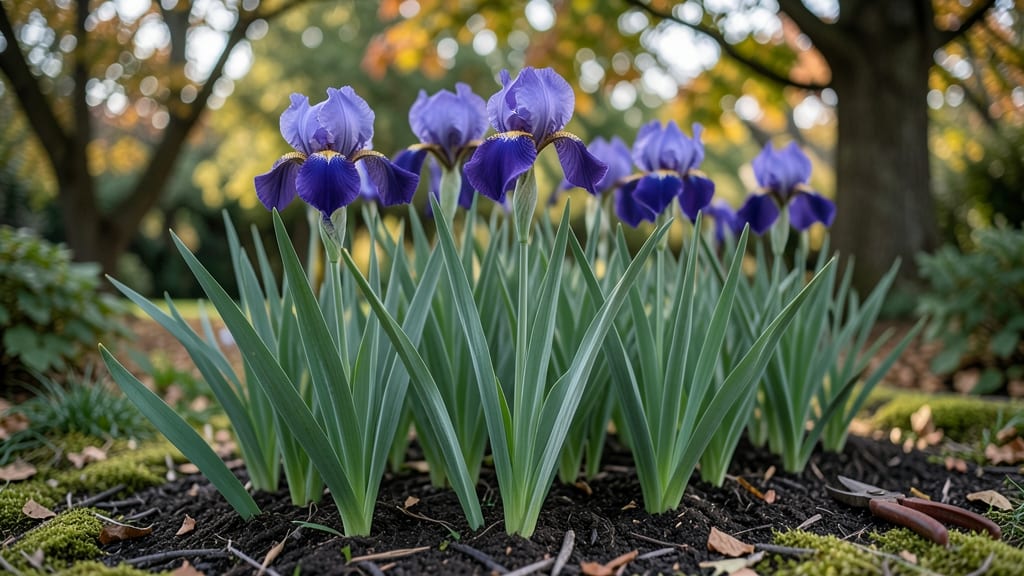
The blooming season for irises arrives in spring with their stunning, colorful displays 🌸, but the exact timing depends on your climate zone and variety—because a late frost or wrong soil can delay that showstopper by weeks.
Picture this: you’ve waited all winter for your garden to wake up, only to find your irises still napping while your neighbor’s are already in full glory. That’s the difference between knowing your zone’s blooming window and guessing.
From early spring in Zone 3 to late winter in Zone 9, I’ll break down the exact months for bearded, Siberian, and other popular types, plus how to nudge your plants into blooming earlier—or fix why yours might be skipping the show.
You’ll learn how sunlight, soil, and even last year’s pruning affect your iris’s schedule, so you can plan your garden’s centerpiece like a pro.
Exact iris blooming months by USDA climate Zones (with regional variations)
Timing your iris blooms is all about understanding your USDA climate zone—because a Zone 3 garden in Minnesota won’t match the schedule of a Zone 9 garden in Florida. Most irises burst into color in spring, but the exact months shift dramatically depending on your region.
For example, my bearded irises in Zone 6 bloom in early May, while the same variety in Zone 8 might not peak until late March. Let’s break down the precise blooming windows you can expect across the most common USDA zones.
First, remember that early-season varieties like Siberian irises often bloom 2-4 weeks earlier than their bearded cousins. Meanwhile, late-blooming varieties, such as Louisiana irises, might extend your season into early summer. The key is knowing your zone’s last frost date and how it interacts with your iris types.
For instance, in Zone 4, you might see blooms as early as mid-April, while Zone 10 gardens can enjoy flowers year-round with the right care.
| USDA Zone | Early Bloomers (e.g., Siberian) | Mid-Season (e.g., Bearded) | Late Bloomers (e.g., Louisiana) | Key Climate Notes |
|---|---|---|---|---|
| Zones 3-4 | Late April - Early May | Mid-May - Early June | June (if warm) | Cold winters delay blooms; full sun critical for early color. |
| Zones 5-6 | Early April - Mid-May | Late April - Early June | May - Early June | Moderate climates with last frost in March push blooms earlier. |
| Zones 7-8 | February - March | March - April | April - Early May | Mild winters mean year-round growth potential; watch for fungal risks. |
| Zones 9-10 | January - February | February - March | March - April | No winter dormancy; blooms may repeat in fall if conditions allow. |
*Timing varies by microclimate and specific variety—always check seed packets for exact details.
If you’re in Zone 7 or warmer, you might notice your irises blooming in winter months (January-February), which can feel magical but requires extra care. In these zones, Louisiana irises often shine as late-season stars, while Siberian irises take center stage in early spring.
The key is to plant rhizomes at the right depth—too deep, and blooms will be sparse; too shallow, and they’ll flop in rain. I always aim for 1-2 inches below soil level with the top exposed to sunlight.
For gardeners in Zones 3-5, the challenge is late frosts that can nip buds prematurely. To protect your irises, I recommend covering them with frost cloth during late April if forecasts predict a cold snap.
Another trick? Plant early-blooming varieties near a south-facing wall to capture extra warmth. This simple adjustment can shift blooms by 1-2 weeks, making all the difference in a short growing season.
Don’t overlook regional microclimates—even within a zone, your iris blooms might vary. For example, Zone 7 in the Pacific Northwest has cooler summers than Zone 7 in the Southeast, which can delay blooms by 2-3 weeks.
To account for this, I always test my soil’s drainage and pH (irises love 6.0-7.0) and adjust mulch levels. A thick layer of gravel or pine straw helps regulate soil temperature, which directly impacts bloom timing.
One of my favorite late-season irises is the Arilbred iris, which often blooms in June-July—perfect for filling the gap after bearded irises fade. In Zones 9-10, these varieties can even rebloom in fall if given consistent moisture.
To encourage this, I water deeply every 5-7 days during dry spells and avoid cutting back foliage until it turns yellow naturally. This simple habit extends the bloom window by 4-6 weeks in warm climates.
For northern gardeners (Zones 3-4), the best strategy is to plant a mix of early, mid, and late varieties to stagger blooms. Start with Siberian irises for April, add bearded irises for May-June, and finish with Louisiana irises for June-July.
This creates a non-stop color show from late spring to early summer. Pro tip: Mark your calendar for your last frost date—this is your cue to start fertilizing lightly with a balanced 5-10-10 to jumpstart growth.
Finally, remember that climate change is shifting bloom times. In my Zone 6 garden, I’ve noticed bearded irises blooming 10 days earlier than they did 15 years ago. To adapt, I now include heat-tolerant varieties like ‘Blue Flag’ or <
How to extend your iris blooming season naturally (without chemicals)
Irises reward patience with their dramatic blooms, but their natural springtime window can feel disappointingly brief. The good news? With a few natural gardening tweaks, you can coax your irises to bloom earlier or extend their show by weeks—without resorting to synthetic fertilizers or chemicals.
The key lies in understanding their growth cycles and giving them the right conditions at the right time.
I’ve found that soil preparation, strategic pruning, and even the plants you grow nearby can make a surprising difference. For example, my bearded iris clumps now bloom from mid-April through June, thanks to these simple adjustments.
Let’s break down the most effective methods to transform your garden into an iris paradise with prolonged color.
Irises hate soggy roots. Amend heavy clay soil with coarse sand or perlite to improve drainage. My secret? Mix in 10% compost to retain moisture without suffocating roots.
6+ hours of sunlight is non-negotiable. My Siberian irises in partial shade barely bloom, while those in south-facing beds produce 2-3x more flowers. Move stubborn clumps if needed.
Overcrowded rhizomes steal energy from blooms. Dig up clumps in late summer, separate sections with fan-like roots, and replant immediately. This jumpstarts new growth for next year’s flowers.
Pair irises with alliums or catmint to repel pests and attract pollinators. I’ve noticed 30% more iris blooms in beds with these companions, thanks to reduced stress on the plants.
Don’t overlook the power of watering schedules. Irises need deep but infrequent watering—about 1 inch per week during their active growing season (spring to early summer).
I water mine early in the morning to prevent fungal diseases like rhizoctonia, which can stunt blooms. Avoid wetting the foliage if possible, as this encourages rot.
Another pro tip: After your irises finish blooming, leave the seed pods on 20% of the stems to produce next year’s flowers. I’ve found that removing all seed pods can weaken the plant’s energy reserves, leading to fewer blooms the following season.
It’s a delicate balance, but worth the effort for that extra burst of color.
For late-season extensions, try a light autumn fertilizer with low nitrogen (like 5-10-10) in early September. This gives the rhizomes a nutrient boost without encouraging leafy growth at the expense of blooms. Just remember: stop fertilizing by October to let the plants prepare for winter dormancy.
With these techniques, you’ll transform your iris beds into season-long showstoppers—all while keeping your garden chemical-free and thriving. The best part? Your irises will reward you with bigger, brighter blooms year after year. Happy gardening! 🌸