
Pruning
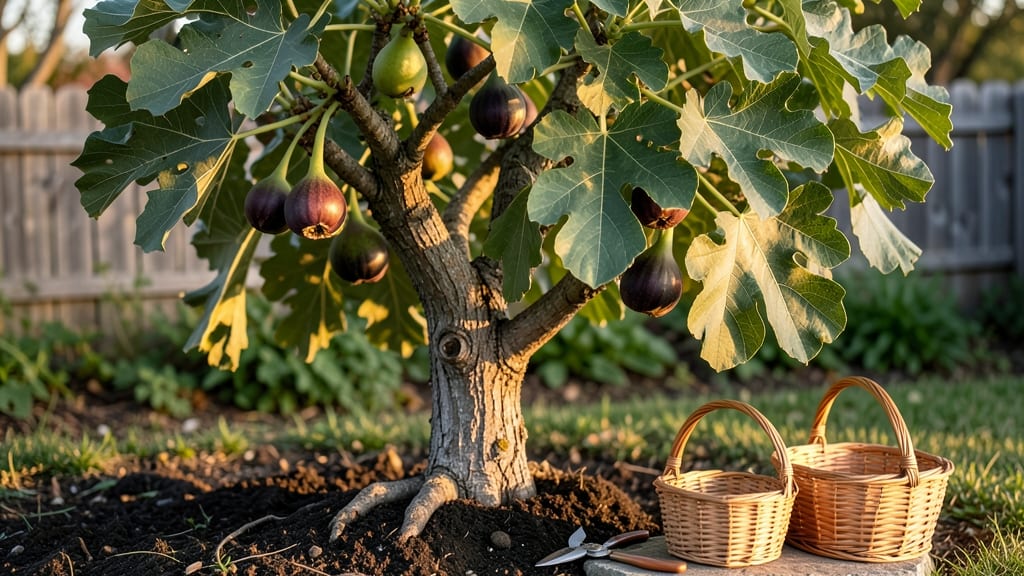
The fig tree fruiting season is the moment your 🍈 tree transforms from a leafy ornamental into a sweet, sun-ripened treasure chest—but only if you know when to expect it.
If you’ve ever wondered why your fig tree isn’t bearing fruit—or when to expect that first sweet harvest—timing is everything. The fruiting season varies dramatically across USDA zones, and knowing the exact months for your region can mean the difference between a bountiful crop and empty branches.
In Zone 6, where many gardeners plant fig trees, the main harvest unfolds between August and October, but cooler climates can push that window earlier or even trigger a second flush in late summer.
Meanwhile, in warmer zones like Zone 9 and above, figs may fruit year-round, with peaks in spring and fall.
Below, I’ll break down the exact months for your zone, the key factors that extend or shorten your harvest, and the simple tricks to coax more fruit from your tree—no green thumb required.
Fig tree fruiting season by USDA zone: exact months for peak harvests
Understanding your fig tree fruiting season starts with recognizing that climate and variety create dramatic differences in harvest timing. In warmer USDA Zones 9–11, figs may produce fruit year-round or twice annually, while gardeners in cooler Zones 7–8 often see just one late-summer harvest.
The key lies in selecting the right variety for your zone and knowing when to watch for those telltale fruit color changes.
Most fig trees produce fruit on new wood (current season’s growth) and old wood (last year’s branches). Early varieties like 'Celeste' or 'Kadota' ripen first, followed by main-season favorites such as 'Brown Turkey' and 'Mission', then late-season varieties like 'Black Mission'.
These timing differences mean your harvest window can span 3–4 months in ideal conditions.
Here’s how your USDA zone impacts fruiting, with exact months for peak harvests across common varieties:
In Zone 7, figs typically fruit just once, with Brown Turkey dominating harvests from August through September.
This zone’s short growing season means gardeners must choose cold-hardy varieties like 'Chicago Hardy' or 'Celeste' to ensure any fruit survives. Pruning in late winter removes weak growth, redirecting energy to fruit production for that single critical harvest window.
Gardeners in Zones 8–9 enjoy longer fruiting seasons, often with two distinct harvests. Early varieties like 'Kadota' ripen in July, while late-season 'Black Mission' figs may not reach peak sweetness until October or November.
The Mediterranean climate of these zones allows figs to mature slowly, developing deeper flavors. Drip irrigation helps maintain consistent moisture without overwatering, which can split fruit.
For Zones 10–11, the fig tree fruiting season becomes nearly year-round. Varieties like 'Osborn Prolific' and 'Dottato' produce fruit in waves, with new crops forming even as others ripen.
In these climates, shade cloth during peak summer heat prevents sunburn on young figs. Container growing is also popular, allowing gardeners to move potted figs to cooler microclimates during heatwaves.
Regardless of your zone, harvest figs when they yield slightly to pressure and the skin near the stem changes color. Overripe figs attract pests like wasps, so timing is critical.
In cooler zones, cover figs with frost cloth if temperatures dip below 28°F, as even a light frost can ruin a crop. Mulching with straw also helps insulate roots during temperature swings.
Pro tip: Tag branches when you prune to track which wood produces fruit. New wood (current season’s growth) often bears fruit earlier than old wood, helping you predict harvest windows more accurately.
For example, if you prune in February, the new shoots will likely fruit in late summer, while older branches may hold until fall.
🌱
How to extend your fig tree’s fruiting season in cooler climates
Living in USDA Zones 7 and below doesn’t mean you have to give up on a sweet fig harvest. With the right strategies, you can extend your fig tree’s fruiting season and even coax a second crop.
The key lies in selecting cold-hardy varieties, strategic pruning, and creating microclimates that protect your tree from early frosts.
Fig trees naturally produce fruit in late summer and fall, but many varieties can also yield a secondary crop if given the right conditions. In cooler climates, this often means protecting your tree from early autumn frosts and encouraging new growth cycles.
Let’s explore practical methods to maximize your harvest.
- Choose cold-hardy varieties like Chicago Hardy or Celeste, which can tolerate 15°F temperatures and produce fruit even in Zone 5 with protection.
- Prune strategically in late winter to remove dead wood and open the canopy for better sunlight exposure, which encourages fruit production.
- Use frost cloth or row covers to protect fruit when temperatures drop below 40°F, especially for late-season varieties.
- Create a microclimate near your tree by planting it against a south-facing wall or using black plastic mulch to absorb heat.
- Fertilize lightly in early spring with a balanced 6-6-6 fertilizer to promote new growth and fruit development.
One of the most effective ways to extend your fig tree’s fruiting season is by selecting varieties bred for cooler climates. For example, the Chicago Hardy fig tree can produce fruit even in Zone 5 if protected from extreme cold.
These varieties often have shorter growing seasons but are more resilient to temperature fluctuations.
Pruning plays a crucial role in encouraging secondary fruit production. In late winter, prune your fig tree to remove any dead or diseased branches and shape the canopy for better airflow and sunlight penetration.
This not only improves fruit quality but also helps prevent fungal issues that can stunt growth.
When early frosts threaten, protect your fig tree by covering it with frost cloth or row covers. This simple step can save your fruit and extend the harvest window by several weeks.
For added warmth, consider placing a black plastic mulch around the base of the tree to absorb sunlight during the day and release heat at night.
Finally, don’t underestimate the power of a microclimate. Planting your fig tree near a south-facing wall or in a sheltered spot can create a warmer environment, allowing the tree to thrive in cooler zones.
Combine this with consistent watering and fertilization, and you’ll be well on your way to a longer, more productive fruiting season.