
Container Gardens
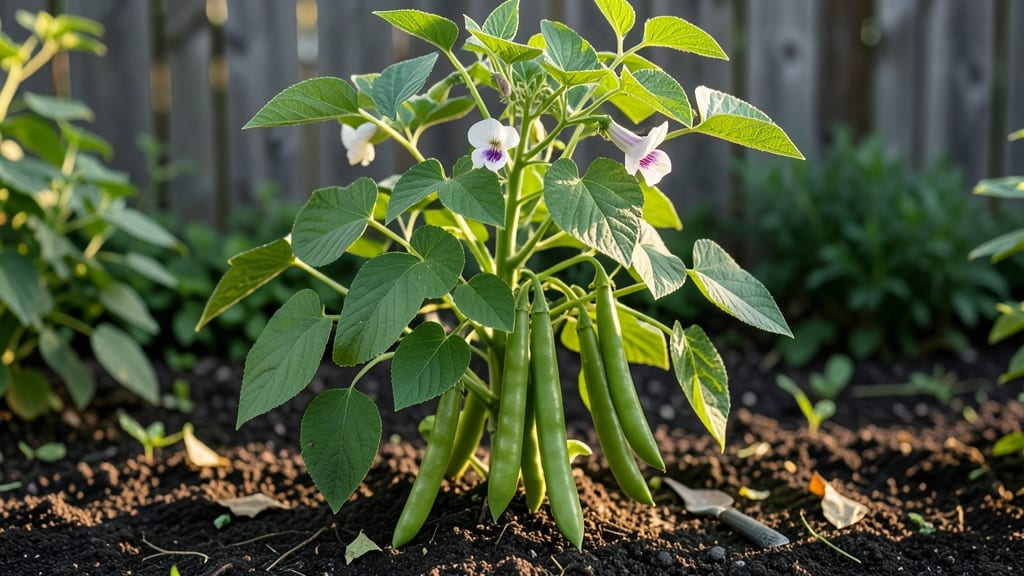
Growing green beans during the right season is the key to a bountiful harvest—miss the window, and you risk tiny, tough pods or no beans at all.
Struggling to time your green bean harvests perfectly? Planting at the wrong time can mean sparse yields—or worse, no beans at all. The secret lies in understanding your USDA zone and ideal planting windows for bush vs. pole varieties.
In Zone 6a, like many gardeners, you’ve got just 165 frost-free days to work with—enough for two plantings if you play it right. But the real trick? Starting seeds indoors 4-6 weeks before your last frost date, or direct-sowing after soil warms to 60°F.
Below, I’ll break down the exact planting dates for your zone, how to stretch your harvest with succession planting, and the 5 mistakes that derail even the most eager gardeners.
USDA zone planting calendar for green beans: when to start seeds indoors and outdoors
Timing your green bean planting correctly is the key to a bountiful harvest. Since green beans are frost-sensitive but thrive in warm soil, getting the dates right ensures strong germination and steady production.
Whether you're growing bush beans or pole beans, your USDA zone dictates when to sow seeds—both indoors and outdoors—to avoid stunted growth or missed harvests.
Most gardeners plant green beans directly in the garden after the last frost, but cooler zones (3-5) benefit from indoor starts 2-3 weeks before transplanting. Warmer zones (8-11) can direct-sow as early as February, while mid-zones (6-7) typically wait until April or May.
Below, I’ve broken down the ideal planting windows by zone, including succession planting intervals to extend your harvest.
In USDA zones 3-4, where frost lingers late, I recommend starting seeds indoors under grow lights to give seedlings a head start. Transplant them outdoors only after soil temperatures reach 60°F (15°C), typically in late May.
For zones 5-6, you can direct-sow as early as mid-April, but cover young plants with frost cloth if nighttime temps dip below 50°F (10°C).
Warmer climates like zones 7-11 offer longer growing seasons, so I suggest planting in succession every 2-3 weeks. This ensures a steady supply of fresh beans from spring through fall.
For example, in zone 9, I plant my first batch in February and continue through October, harvesting until the first frost—usually in December.
For pole beans, which take longer to mature (60-70 days), I plant the first round in early spring and the last in mid-summer. Bush beans, which mature faster (50-60 days), benefit from more frequent succession plantings—every 2 weeks—to maximize yield.
In my garden, I’ve found that pole beans thrive with trellising, saving space and reducing disease risk.
Always check your last frost date locally, as microclimates can shift planting windows by weeks. For instance, a valley in zone 6 might be ready to plant in early April, while a hilltop could wait until mid-May.
Use a soil thermometer to confirm soil temps are above 60°F (15°C) before sowing—cold soil delays germination.
Pro tip: If you’re in a short-season zone (3-5), choose early-maturing varieties like 'Blue Lake' or 'Contender.' They reach harvest in 50-55 days, giving you time for a second planting before frost. In warmer zones, opt for heat-tolerant varieties like '
Bush vs. pole green beans: how variety affects your planting timeline and harvest strategy
Choosing between bush and pole green beans isn't just about space—it's about timing your harvest to avoid empty vines. Bush varieties mature faster but produce all their pods at once, while pole beans climb and yield continuously for 6-8 weeks longer.
This difference means your planting schedule should adapt to each type's unique growth rhythm.
For bush beans, aim to plant seeds 1-2 weeks after your last frost in early spring. They thrive in cooler temperatures and bolt quickly when heat arrives, so succession plant every 2 weeks for staggered harvests.
Pole beans, however, need warmer soil—wait until soil temps reach 60°F and provide trellises or stakes for support.
| Feature | Bush Beans | Pole Beans |
|---|---|---|
| Growth Cycle | 45-55 days | 55-65+ days |
| Planting Time | Early spring, cool soil | Late spring, warm soil |
| Space Needs | Compact, 3-4" apart | Vertical, 4-6" apart |
| Heat Tolerance | Moderate (bolts fast) | High (performs in heat) |
| Harvest Window | 2-3 weeks | 6-8 weeks |
| Succession Planting | Every 2 weeks | Once (longer yield) |
Pole beans handle hotter summers better than bush varieties, making them ideal for USDA zones 7-10. In cooler climates (zones 3-6), focus on bush beans for early harvests before summer heat arrives.
For year-round production, try two plantings of bush beans—one in spring and one in late summer—while pole beans stretch your harvest into fall.
When harvesting, prioritize bush beans first to prevent over-maturation. For pole beans, pick from the bottom up to encourage upward growth. Both types need consistent watering—drought stress reduces pod quality. Mulch around plants to retain moisture and keep soil temps stable, especially for heat-sensitive bush varieties.
Pro tip: Mix both types in your garden! Plant bush beans along fences or edges for easy access, while dedicating taller trellises to pole varieties. This combo maximizes space and extends your harvest season naturally.
Just remember—pole beans need support from day one, while bush beans can stand alone.
With these strategies, you'll transform a single planting into a continuous harvest that keeps your kitchen stocked all summer long. The key? Match your variety to your climate and commit to regular picking—neglected pods mean fewer beans! 🌱