
Container Gardens
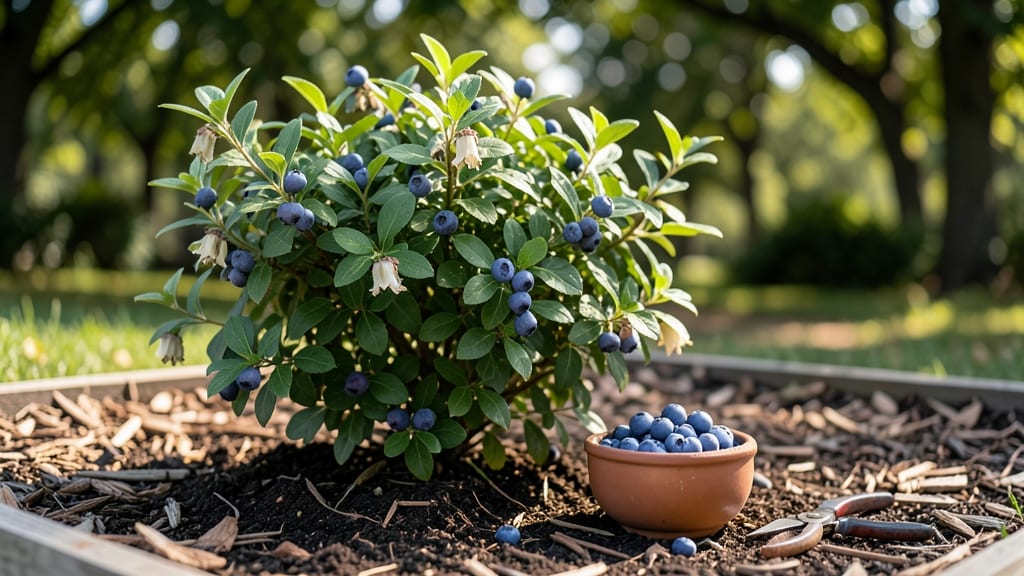
Growing blueberries in your garden means timing everything perfectly—from planting to harvest—because the blueberry growing season is a delicate balance of frost, heat, and soil readiness.
Want to grow juicy, homegrown blueberries but don’t know when to plant or harvest? The blueberry growing season varies dramatically by climate zone—and getting it wrong can mean wasted effort or poor yields.
In Zone 6a, like many gardens, planting in March or April is critical, but a late frost can turn your early blooms into a sad, frost-bitten memory.
Beyond planting, the real magic happens in June through August when your bushes burst with fruit. But here’s the catch: if you’re in a warmer zone, your harvest might start earlier, while cooler climates play catch-up.
The key is knowing your last frost date and choosing varieties that ripen in sync with your local weather.
In this guide, I’ll walk you through the exact planting timeline for your zone, how to protect your crop from frost, and the best pruning schedule to keep your 🫐 blueberry bushes productive year after year. No more guessing—just a foolproof plan for a bountiful harvest.
Blueberry planting timeline by USDA hardiness Zones (with frost risk alerts)
Timing is everything when planting blueberries, and your USDA hardiness zone dictates the perfect window. Plant too early, and young roots may freeze. Too late, and your shrubs won’t establish before winter.
I’ve grown blueberries in Zone 6a for years, and I’ve learned the hard way that frost dates are non-negotiable. Let’s break down the ideal planting months for each zone, plus critical frost alerts to protect your investment.
Blueberries thrive in cool climates but need time to root before winter. In Zones 3-5, plant in early spring (March-April) or early fall (September-October) to avoid winter kill. Warmer zones (6-10) can plant in late fall (November) or early spring (February-March).
The key? Plant 6-8 weeks before your first expected frost—this gives roots time to anchor before dormancy.
🚨 Frost risk is the #1 enemy of new blueberry plants. In Zones 4-6, late spring frosts (28°F or lower) can damage flower buds and reduce harvests.
I’ve seen entire crops lost in Zone 5 when a May frost hit just as buds opened. Always check your local last frost date and adjust planting accordingly.
Here’s your zone-by-zone planting timeline, including frost-sensitive periods and recommended varieties for each climate:
In Zones 3-4, I recommend fall planting for northern climates. The cool soil helps roots establish before winter, and plants enter dormancy naturally. Use mulch (4-6 inches) to insulate roots from freezing temperatures.
In Zone 4, I’ve had success with 'Jersey' blueberries—they handle cold snaps better than most varieties.
For Zones 5-6, spring planting is safer. Wait until soil temperatures reach 45°F to avoid root rot. If you plant in fall, do it 6-8 weeks before your first frost.
In my Zone 6a garden, I’ve lost entire plantings when late frosts hit in May. Always have row covers ready to protect new growth.
Southern gardeners in Zones 7-10 can plant in winter (Dec-Jan) to avoid summer heat stress. These zones often face heat stress during flowering, so choose shade-tolerant varieties like 'Premier'. In Zone 9, I plant in December to give roots time to establish before the hot dry season begins.
Pro tip: Dwarf varieties (3-4 ft tall) are ideal for containers and small spaces. They ripen 2-3 weeks earlier than standard bushes, giving you an extended harvest.
I grow 'Top Hat' in pots on my patio—it produces fruit in Zone 6a by early July, while my standard bushes ripen in August.
Always monitor your local weather forecasts in spring. If a late frost is predicted, cover young plants with frost cloth or a lightweight blanket. In my experience, one night below 28°F can wipe out 80% of flower buds. It’s heartbreaking, but worth the effort to protect your crop.
🌱 Remember: Soil prep matters just as
How to extend your blueberry harvest season naturally (early vs. late varieties)
If you love fresh blueberries but hate the short window between overripe and underripe fruit, the solution is simple: plant multiple varieties. By choosing early, mid, and late-season blueberries, you can stretch your harvest from June to September—or even later in warm climates.
The trick lies in selecting the right cultivars and using smart pruning techniques to fine-tune ripening times.
For example, 'Duke' ripens in early July, while 'Bluecrop' peaks in August. Planting both in your garden ensures you’ll have berries ready to pick for weeks instead of just a few days.
Pair this with light pruning adjustments to delay or advance harvests naturally, and you’ll enjoy a steady supply of sweet, juicy blueberries all season long.
📊 Comparison Table: Early vs. Late Blueberry Varieties
| Variety | Ripening Time | Harvest Window | Best For |
|---|---|---|---|
| Duke | Early July | 2-3 weeks | Staggered early harvests |
| Jersey | Late June | 2 weeks | Northern climates |
| Bluecrop | August | 3-4 weeks | Main harvest |
| Chandler | Late August | 3 weeks | Late-season extension |
To further extend your harvest, use pruning strategies that delay or advance ripening. For example, light pruning in late winter encourages earlier blooming, while heavier pruning in early spring can push back harvest by 2-3 weeks. Always remove dead wood and overcrowded branches to improve airflow and fruit quality.
Microclimate tricks can also help protect late-season fruit. In areas prone to early frosts, plant blueberries near a south-facing wall or use windbreaks to trap heat.
A thick layer of organic mulch (like pine needles) insulates roots and keeps soil temperatures stable, which can delay ripening by a few days in hot climates.
Don’t forget to monitor your plants for signs of stress or disease, which can shorten the harvest window. If you notice yellowing leaves or poor fruit set, adjust your care routine—whether it’s increasing acidity with sulfur or reducing water during wet spells. A healthy plant produces more consistently.
With the right mix of varieties, pruning, and microclimate management, you can enjoy blueberries for nearly half the year. Start with 2-3 varieties, experiment with pruning times, and watch your harvest season transform from a frustrating sprint to a relaxing marathon of fresh, homegrown fruit. 🫐