
Pests and Diseases
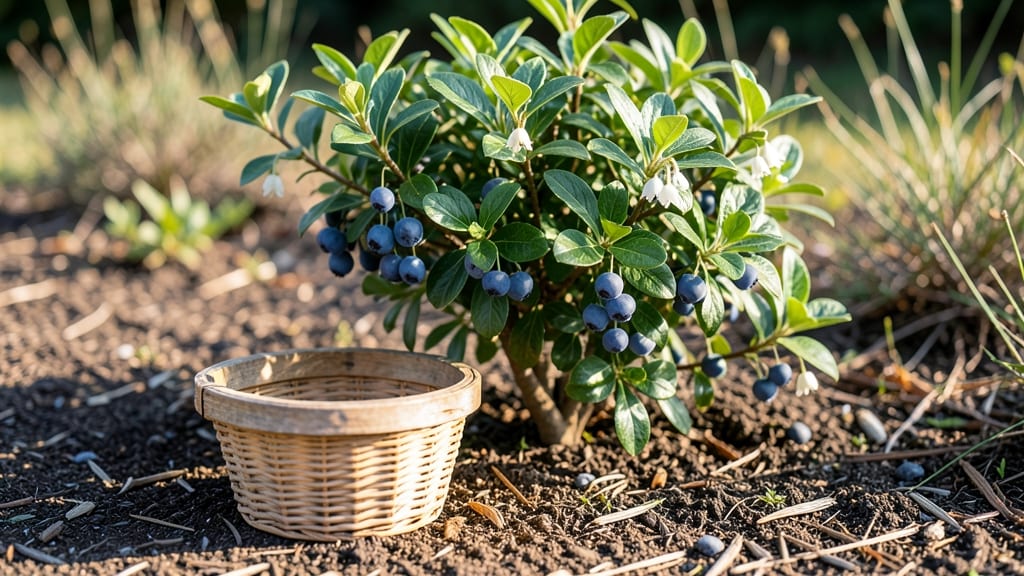
Blueberry season in Maryland runs from late June through early August, with the Eastern Shore's berries ripening first, followed by Piedmont and Western Maryland regions. Different varieties like Rabbiteye, Southern Highbush, and Northern Highbush create staggered harvest windows throughout summer.
Maryland's blueberry harvest thrives thanks to its diverse microclimates, where warmer coastal areas kick off the season earlier than inland zones. 🌿 The Eastern Shore's milder winters and longer growing season often produce ripe berries by late June, while Western Maryland's cooler nights help Northern Highbush varieties develop their signature deep blue color by August.
Many local farms adjust their picking schedules based on these natural patterns, so timing your visit can mean the difference between tart green berries and sweet, juicy ones ready to eat.
What makes Maryland's blueberry season particularly exciting is how the varieties complement each other. Southern Highbush berries, which ripen first, have a slightly sweeter profile perfect for fresh eating, while the later-ripening Rabbiteye varieties develop more complex flavors that shine in baked goods.
I always recommend visiting farms during the first two weeks of July to catch the peak of Southern Highbush season, then returning in August for Rabbiteye harvests that often last through Labor Day weekend.
💡 In This Article
- Maryland Blueberry Varieties and Their Ripening Timelines
- Best Maryland Blueberry Picking Farms and Preparation Tips
Maryland blueberry varieties and their ripening timelines
Maryland's blueberry harvest unfolds like a natural calendar, with each variety responding to the state's unique climate zones and soil conditions. The Eastern Shore's warmer temperatures and sandy loam soil create ideal conditions for Southern Highbush varieties, which begin ripening as early as late June.
These bushes thrive in the coastal region's milder winters, allowing them to enter dormancy later than their inland counterparts. The slightly acidic, well-drained soils of the Eastern Shore also promote consistent fruit development, resulting in berries that reach peak sweetness around 70-72°F daytime temperatures.
The Piedmont region acts as a transition zone where Southern Highbush varieties overlap with Rabbiteye blueberries, which prefer slightly warmer summers and ripen in July. Rabbiteye bushes produce larger berries with firmer skins, thanks to their genetic adaptation to hotter climates.
Western Maryland's cooler nights and higher elevation create the perfect conditions for Northern Highbush varieties, which develop their signature deep blue color and complex flavor profile by August. The temperature differential between day and night in this region helps concentrate sugars in the berries, creating that signature Maryland blueberry taste.
What makes Maryland's blueberry varieties so fascinating is how their ripening timelines create a staggered harvest that lasts nearly two months. Southern Highbush berries typically ripen first, offering a sweeter, more delicate flavor perfect for fresh eating.
As temperatures rise in July, Rabbiteye varieties take center stage, producing berries with a slightly tart edge that excels in pies and cobblers. The late-ripening Northern Highbush varieties bring the season to a close with their rich, almost wine-like flavor profile that's ideal for sauces and preserves.
Understanding these regional differences helps blueberry enthusiasts plan their picking trips more effectively.
For example, visitors to the Eastern Shore's Chesapeake Bay Blueberry Farm can expect their first ripe berries in late June, while those heading to Western Maryland's Blueberry Hill Farm should time their visit for late July or August.
The key is to check with local farms about their specific variety plantings, as some may have mixed plantings that extend their harvest windows even further.
Climate patterns also play a crucial role in determining the exact ripening dates each year. Warmer springs can accelerate the harvest by 1-2 weeks, while cooler summers may delay ripening until early August.
This variability is why many Maryland farms recommend checking their websites or calling ahead before planning your blueberry picking adventure. The difference between a tart, underripe berry and one at peak sweetness can be as little as 3-5 days of proper ripening time.
What most people don't realize is how soil pH levels—typically between 4.5-5.5—directly impact ripening times and berry quality. Maryland's acidic soils are naturally suited to blueberry cultivation, but variations in pH can affect flavor development.
The Eastern Shore's slightly higher pH levels contribute to the sweeter profile of Southern Highbush berries, while the more acidic soils of Western Maryland enhance the tartness in Northern Highbush varieties. This chemical interaction creates the diverse flavor profiles that make Maryland blueberries so celebrated.
For those planning their blueberry picking trips, timing is everything. Arriving at the farm when the berries are at their peak—typically in the morning when temperatures are cooler—ensures the best flavor and texture.
The science behind this is simple: cooler temperatures slow down the respiration process in the berries, preserving their freshness and sweetness longer. Plus, morning picking means you'll avoid the crowds that often build up later in the day, giving you more time to enjoy those freshly picked berries.