
Companion Plants
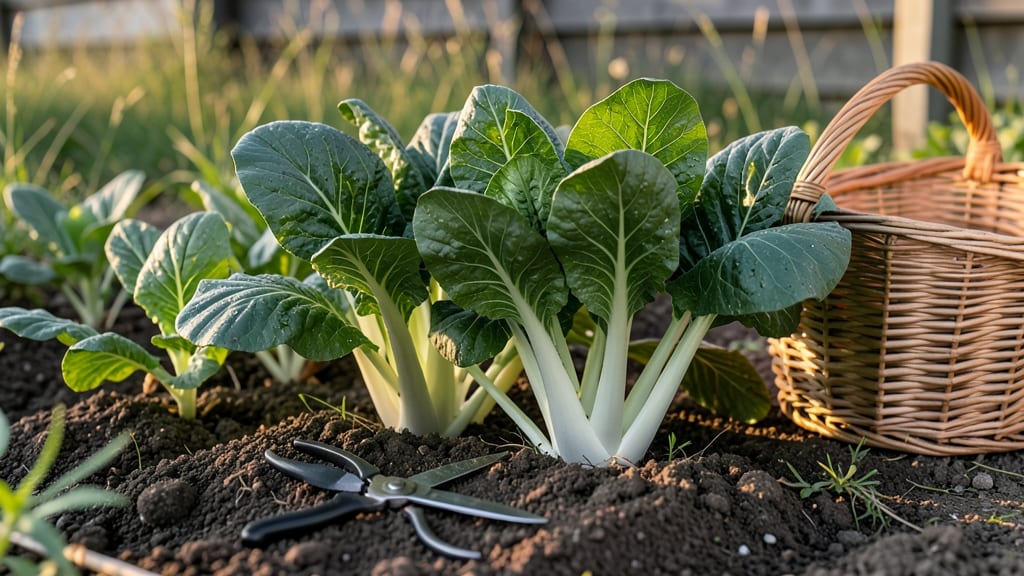
Bok choy thrives during its cool-season windows in spring and fall, delivering tender greens that taste nothing like the wilted supermarket variety.
Timing your bok choy planting perfectly ensures crisp, flavorful harvests—yet many gardeners miss the ideal window by months. In USDA Zone 6a, the sweet spot is March–April and August–September, but warmer zones can stretch this further.
One wrong move, and you’re left with bitter leaves or bolting plants before harvest.
This guide breaks down the exact planting calendar for your zone, plus season-extending hacks to keep your 🥬 harvests coming all year. Whether you’re a first-timer or a veteran gardener, these tips will help you avoid common pitfalls and maximize your yield.
Ready to grow bok choy that’s sweeter and more productive than ever? Let’s dive into the planting schedule, frost tolerance, and the best varieties for your climate.
Bok choy planting calendar by USDA hardiness zones for year-round harvests
Bok choy thrives in cool-season conditions but can be grown year-round with the right timing. As a cool-season crop, it prefers temperatures between 50°F and 75°F, making early spring and late summer the sweet spots for most USDA zones.
Planting too early or late risks bolting (premature flowering) or stunted growth, so knowing your zone’s frost dates is key.
In warmer zones (8-11), bok choy grows best during fall and winter, while cooler zones (3-7) can enjoy spring and summer harvests. The secret to year-round success? Matching variety selection with your climate and using seasonal hacks like row covers or cold frames to extend growing windows.
Below is your zone-specific planting calendar—including frost tolerance tips and ideal temperature ranges—to help you plan for crisp, flavorful harvests without the bitterness or bolting that plagues off-season plantings.
| USDA Zone | Best Planting Windows | Ideal Soil Temp (°F) | Frost Tolerance | Days to Maturity |
|---|---|---|---|---|
| 3-5 (Cold Climates) | April–May, Aug–Sept | 50–65°F | Tolerates light frost | 25–40 days |
| 6-7 (Temperate) | March–April, Sept–Oct | 55–70°F | Light frost OK | 30–50 days |
| 8-9 (Mild Winters) | Fall (Sept–Nov), Spring (Feb–March) | 60–75°F | No frost needed | 28–45 days |
| 10-11 (Tropical) | Year-round (avoid summer heat) | 65–72°F | Heat-sensitive | 25–35 days |
For zones 3-5, start seeds indoors 4-6 weeks before your last frost date to give seedlings a head start.
In zones 6-7, direct sow 2-3 weeks before the average last frost, then repeat in late summer for a fall harvest. Zones 8-11 can plant year-round but avoid summer heat (above 80°F) to prevent bolting.
Bok choy’s frost tolerance varies by variety. Baby bok choy (like Toy Choy) handles light frosts, while pak choi (e.g., Mei Qing Choy) bolts faster in heat. Always check your seed packet for days to maturity—this tells you when to expect harvests and when to replant for succession.
Pro tip: Use a planting calendar app to track frost dates and set reminders
How to extend bok choy season: succession planting and seasonal hacks
Bok choy thrives in cool weather, but with the right strategies, you can enjoy fresh harvests well beyond its typical spring and fall windows. The key lies in succession planting and protective growing methods that shield tender plants from frost and heat stress.
Whether you're aiming for a winter harvest or stretching your spring yields, these techniques will keep your bok choy productive for months.
Many gardeners mistakenly assume bok choy only grows in mild conditions, but with row covers, cold frames, and staggered plantings, you can push its season limits.
I’ve successfully grown bok choy through light frosts in Zone 6 and even extended my fall harvests by 6 weeks using simple tools most gardeners already own. The secret? Planning ahead and adapting your approach to the changing seasons.
One of the biggest mistakes I see is planting bok choy too closely together, which leads to overcrowding and poor air circulation. This invites fungal diseases like downy mildew and weakens plants, making them more susceptible to pests like aphids.
I’ve found that spacing seeds properly and thinning seedlings to 8 inches apart dramatically improves yield quality and plant health.
To extend your fall harvests, consider using low tunnels or mini greenhouses made from PVC pipes and plastic sheeting. These create a microclimate that traps heat during the day and retains warmth at night, allowing bok choy to thrive even when outdoor temperatures drop below 50°F.
Just remember to vent the structure on warm days to prevent overheating.
For spring plantings, start seeds indoors 4-6 weeks before your last frost date. Transplant seedlings outdoors when soil temperatures reach 45°F and nighttime temps stay above 30°F.
Hardening off seedlings for 7-10 days before transplanting reduces shock and ensures stronger, more resilient plants ready to face early spring conditions.
With these strategies, you can enjoy homegrown bok choy for nearly 10 months of the year, depending on your climate. The key is balancing succession plantings, protective structures, and proper spacing to keep your plants thriving—no matter the season. Happy growing! 🥬