
Neem Oil
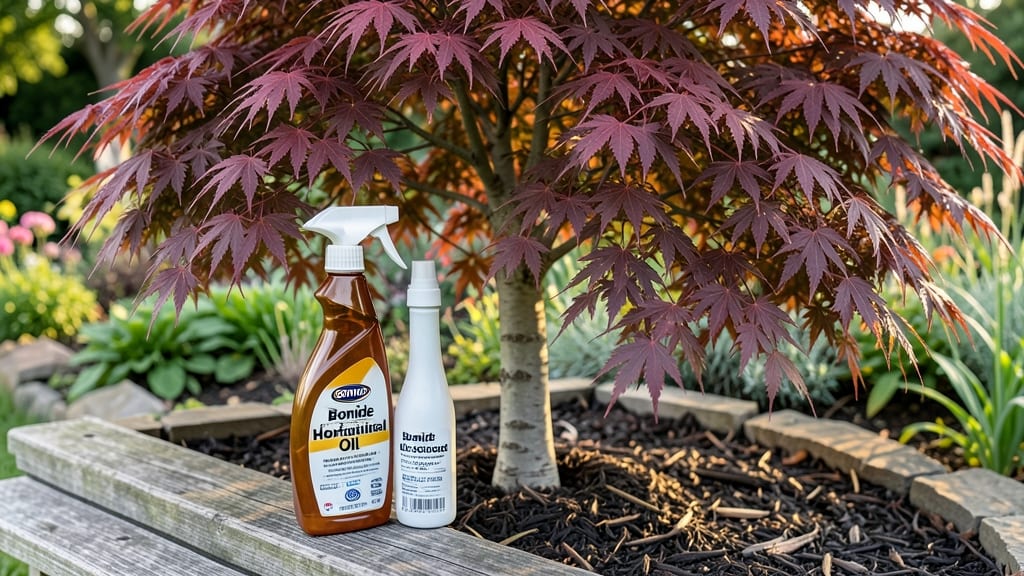
Bonide All-Seasons Horticultural Oil smothers soft-bodied pests like spider mites and aphids without harming your plants or the environment. 🌿 I've used it for years to control infestations in my vegetable garden, and it consistently delivers results without the harsh chemicals of synthetic pesticides.
This oil works by coating pests, disrupting their cell membranes, and effectively suffocating them. It's particularly effective against mites, scale, whiteflies, and young caterpillars, making it a go-to solution for organic gardeners.
The key is applying it when pests are active but before temperatures exceed 90°F. You'll see visible results within 24-48 hours for severe infestations, with complete eradication typically occurring within 7-10 days of consistent application.
The oil is also safe for use on most plants, including vegetables, fruits, and ornamentals, once they've had time to harden off. For best results, apply in the early morning or late afternoon to avoid burning plants in direct sunlight.
Always follow the label instructions for dilution rates and reapplication frequency, and store the oil in a cool, dry place to maintain its effectiveness.
📚 In This Guide
- What you need
- Instructions
- Tips and common mistakes
- Wrapping up and next steps
What you need
- ● Bonide All-Seasons Horticultural Oil – 16 oz (1 gallon concentrate) (or pre-mixed version if preferred).
- ● Water – 5 gallons (for dilution).
- ● Spray bottle or garden sprayer – 1-2 gallon capacity (with a fine mist nozzle for even coverage).
- ● Measuring cup or scale – For precise dilution ratios.
- ● Protective gear – Gloves, long sleeves, and safety goggles (to avoid skin/eye irritation).
- ● Stirring stick or small paddle – For mixing the solution thoroughly.
- ● Label or marker – To tag your sprayer with the mix date and ingredients.
- ● Dish soap (mild, like Castile soap) – 1 tsp (helps the oil adhere to pests).
- ● Neem oil (additional) – 1 tbsp (boosts pest-repellent properties).
- ● Spray nozzle attachment – For adjustable spray patterns (e.g., cone or stream).
- ● Weatherproof storage container – To keep leftover mix safe from sunlight/degradation.
- ● Test plants – A few leaves from non-target plants to check for sensitivity before full application.
Step-by-Step instructions for mixing and applying bonide All-seasons horticultural oil
Here’s my go-to method for creating a potent, safe spray that smothers pests without damaging plants or the environment.
🌿 Step 1: Gather the Right Materials
You’ll need 1 quart of Bonide All-Seasons Horticultural Oil (the base), a 1-gallon sprayer (preferably a pump or backpack model), and 1 quart of water. Horticultural oil works best when mixed fresh, so avoid pre-diluted versions—they lose effectiveness over time.
I always check the label for specific dilution ratios, but for most pests, a 1:1 ratio of oil to water is ideal. If you’re treating heavy infestations, you can increase the oil slightly to 3 parts oil to 1 part water, but test on a small area first to avoid phytotoxicity. Wear gloves and a mask—this stuff gets messy.
💧 Step 2: Mix the Solution Properly
Fill your sprayer halfway with water first, then add the 1 quart of horticultural oil. Shake vigorously for 30 seconds to emulsify the mixture—you’ll see it turn cloudy before settling into a uniform consistency. If you’re using a backpack sprayer, invert it a few times to ensure the oil and water fully blend.
Here’s the thing—never mix oil with water in the sprayer while it’s full. The oil can clog the nozzle or leave residue. I like to mix in a separate container first, then transfer it to the sprayer to avoid clumping. If the mixture separates after sitting, shake it again before use.
✂️ Step 3: Apply at the Right Time and Conditions
Spray early in the morning or late afternoon when temperatures are below 85°F. Horticultural oil works by coating pests, so direct application is key. Focus on the undersides of leaves, stems, and buds—where soft-bodied insects like aphids, mites, and scale hide. Avoid spraying when plants are stressed or in full sun, as this can cause leaf burn.
You’ll know you’ve got the right coverage when leaves look slightly glistening but not dripping. Overapplication won’t kill pests faster—it just wastes product and risks harming your plants. For heavy infestations, apply every 5-7 days until pests are gone. Patience is key here; horticultural oil doesn’t work overnight.
☀️ Step 4: Monitor and Reapply as Needed
Check treated plants 24-48 hours after spraying. If pests are still active, reapply—horticultural oil doesn’t leave a long-term residue like synthetic pesticides. Watch for new growth after treatment; soft-bodied insects often return to feed on fresh leaves, so stay vigilant.
This is where most people mess up: assuming one spray is enough. I’ve seen mites rebound within a week if you don’t follow up. If you notice yellowing leaves or sticky residue, rinse the plant with water immediately—it’s a sign of overapplication or sensitivity. For tough pests like whiteflies, combine horticultural oil with neem oil for better results.
⏰ Step 5: Store and Rotate for Best Results
Use any leftover mixture within 24 hours—horticultural oil breaks down quickly in sunlight. Store unused portions in a cool, dark place (like a shed or garage) in an airtight container. I label mine with the date to avoid confusion. Horticultural oil is not a systemic pesticide, so it won’t linger in the soil or plant tissue.
Rotate with other organic controls like insecticidal soap or beneficial nematodes to prevent resistance. I apply horticultural oil in early spring and late fall for preventive care, then switch to targeted sprays during peak pest seasons. This keeps pests guessing and your garden thriving.
Tips & tricks for perfect horticultural oil application
A few simple strategies can make your horticultural oil treatment more effective—and save you from common mistakes that waste product or harm your plants.
Dilution Precision: The 1:1 ratio of horticultural oil to water is your baseline, but don't assume one size fits all. For delicate plants like roses or citrus, stick strictly to the 1:1 ratio to avoid phytotoxicity. I've seen beginners double the oil thinking it'll work faster—it actually suffocates plant tissues instead of pests. For tougher pests like scale on fruit trees, you can safely increase to 3 parts oil to 1 part water, but always test on a small leaf first.
Mixing Technique: That 30-second shake in Step 2 is non-negotiable. I learned this the hard way when my first batch separated mid-spray, clogging the nozzle. For better results, use a container with a tight-fitting lid and shake vigorously—you should hear the oil and water sloshing together. If you're using a backpack sprayer, invert it completely 10 times after shaking to ensure full emulsification. Pro tip: Add a few drops of dish soap (not detergent) to help stabilize the mixture, but use sparingly—just enough to see tiny bubbles form.
Application Timing: The 85°F temperature limit isn't just arbitrary—it's about preventing leaf burn. I've treated gardens at 90°F before and watched the oil act like a magnifying glass, scorching leaves within hours. For best results, aim for temperatures between 60-80°F. Early morning applications also give the oil time to dry before the sun intensifies, while late afternoon sprays avoid the midday heat peak. If you must spray in warmer conditions, apply only to the undersides of leaves where pests hide and avoid direct sunlight exposure.
Monitoring Strategy: Those 24-48 hours after application are critical for spotting early signs of overapplication or resistance. I keep a small notebook by my garden bench to track which plants received treatment and when. Look for subtle changes: slight yellowing at leaf edges, sticky residue on surfaces, or pests that seem more active than before. These are your warning signs. If you see any, rinse the affected areas immediately with water and reduce your oil concentration for the next application. For persistent pests, consider rotating with insecticidal soap every other treatment to break resistance cycles.
Pro Tips for Bonide All Seasons Horticultural Oil
- A few simple strategies can make your horticultural oil treatment more effective—and save you from common mistakes that waste product or harm your plants.
- Dilution Precision: The 1:1 ratio of horticultural oil to water is your baseline, but don't assume one size fits all.
- Mixing Technique: That 30-second shake in Step 2 is non-negotiable.
Frequently asked questions
about Bonide All-Seasons Horticultural Oil—here’s what you need to know before diving in!Can I use Bonide All-Seasons Horticultural Oil on edible plants?
Yes! This oil is organic and safe for use on fruits, vegetables, and herbs once it’s fully dried (typically 1–2 hours). Always follow label instructions and avoid spraying directly before harvest to prevent residue. It’s a great alternative to synthetic pesticides for organic gardens!
How long does it take to see results after application?
Results vary by pest, but you’ll often notice a difference within 24–48 hours for soft-bodied insects like aphids or spider mites. For tougher pests (e.g., scale), repeat applications every 7–14 days for 2–3 weeks. Consistency is key—think of it like a slow-acting shield for your plants!
Can I use this oil in cold weather?
Absolutely—All-Seasons lives up to its name! Unlike some oils that require warm temps, this formula works down to 40°F (4°C). Just avoid spraying if frost is forecasted or on frozen plants. Cold weather actually helps the oil cling better, making it extra effective for overwintering pests!
What’s a good alternative if I don’t have horticultural oil?
If you’re in a pinch, try these DIY alternatives:
- Neem oil (mix with water + mild soap for better adhesion)
- Insecticidal soap (best for soft-bodied pests like aphids)
- Dormant oil (similar to horticultural oil but only use in winter)
Why are bugs still around after using the oil?
Horticultural oil doesn’t kill pests instantly—it smothers and disrupts their life cycles. If bugs persist:
- Check for hidden infestations (e.g., undersides of leaves)
- Reapply every 7–10 days for stubborn pests
- Combine with physical removal (e.g., blasting water for mites)
Wrapping up and next steps
Ready to take control of pests in your garden naturally and effectively?
Bonide All-Seasons Horticultural Oil is your year-round ally, offering a chemical-free way to protect your plants while keeping your green space thriving. 🌱✨ Whether you're a seasoned gardener or just starting out, this simple yet powerful solution makes pest management easy and eco-friendly.
Your next step? Grab your supplies, follow the recipe, and watch your garden flourish without the worry of harmful chemicals. Happy gardening—your plants will thank you! 🌿💚