
Container Gardens
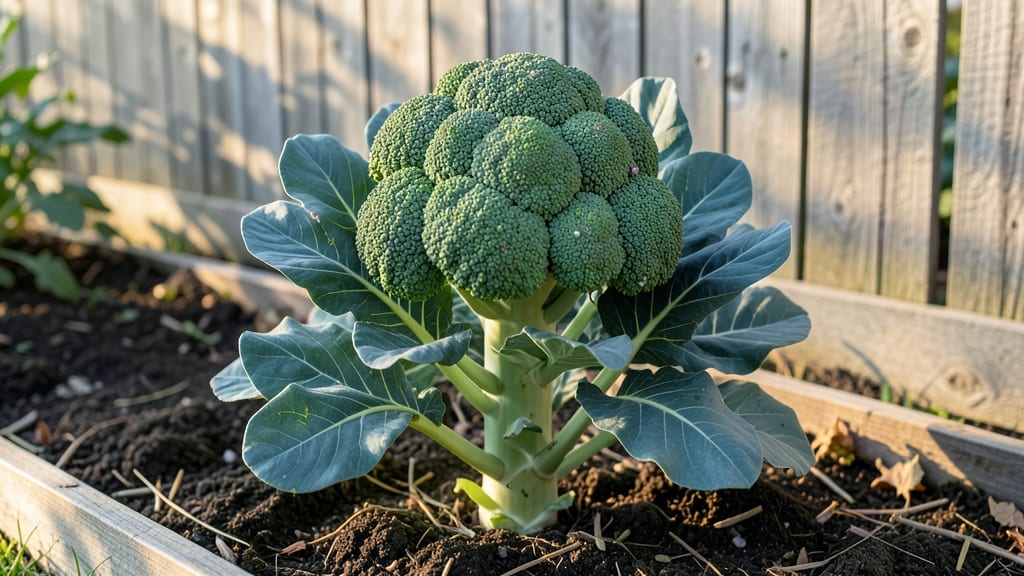
Growing broccoli 🥦 in the right season means the difference between a lush, flavorful harvest and a bitter, bolted disappointment.
Timing your broccoli planting down to the week can mean the difference between a thriving harvest and bolted, bitter plants—especially when USDA zones range from frost-prone Zone 2 to mild Zone 11.
If you’ve ever planted broccoli only to watch it race toward flower stalks before forming a single head, you know how critical the growing season really is.
In this guide, I’ll walk you through the exact planting and harvesting windows for your zone, plus soil prep tips and seasonal care adjustments to keep your broccoli happy from seed to harvest.
Broccoli planting calendar by USDA Zone (with frost-free deadlines)
Getting your broccoli timing right is everything—plant too early in cold zones, and frost will kill seedlings. Too late, and heat will send your plants bolting before harvest.
Since USDA zones 2-11 have wildly different frost dates, I’ve broken down the exact planting windows for both spring and fall crops to maximize your yield. Whether you’re in Alaska’s Zone 2 or Florida’s Zone 11, this calendar keeps your broccoli thriving.
Broccoli is a cool-season crop, meaning it prefers temperatures between 45°F and 75°F. Outside that range, it either won’t germinate or bolts prematurely. Southern gardeners in Zones 8-11 face extra challenges because summer heat forces them to rely on fall planting or shade-tolerant varieties.
Meanwhile, northern growers in Zones 2-6 can squeeze in two harvests—spring and fall—if they plan carefully.
Here’s the key rule: Spring planting happens 4-6 weeks before your last frost date, while fall planting starts 90 days before your first frost. Miss these deadlines, and you’ll end up with bitter, woody stalks instead of tender florets.
Let’s dive into the zone-by-zone breakdown to pinpoint your perfect planting dates.
If you’re in Zones 2-4, your spring planting window is narrow—just 6 weeks—so start seeds indoors 6-8 weeks before transplanting to avoid late frosts.
In Zones 5-6, you’ve got a bit more flexibility, but don’t wait past May 10 or your broccoli will bolt before summer heat sets in.
The real magic happens in Zones 7-8, where you can plant twice a year—once in early spring and again in late summer for a fall harvest.
Southern gardeners in Zones 9-11 face a different challenge: heat stress. Broccoli hates temperatures above 80°F, so your best bet is to plant fall crops when days cool down.
Use shade cloth (30-50%) if planting in summer to keep soil temps below 75°F. Heat-tolerant varieties like 'De Cicco' or 'Calabrese' are your best friends in these zones.
Pro tip: Succession planting every 2 weeks ensures a steady harvest. For example, in Zone 6, plant your first batch in early April, then follow up with May 1 and May 15 for staggered maturity.
This way, you’re not overwhelmed with broccoli all at once—and you’ll avoid the heartbreak of bolting plants.
For fall planting, count back 90 days from your first frost date. In Zone 5, that means starting seeds by July 1 so you can harvest before winter sets in. In Zone 10, you’ve got until September 15 for a fall crop, but be
How to extend your broccoli growing season in hot climates
Living in USDA Zones 8-11 means broccoli can bolt and turn bitter before you even get a harvest. The key to success? Heat-resistant varieties and strategic growing techniques that keep soil temperatures cool and plants stress-free.
I’ve grown broccoli in 105°F summers using these methods—and I’ll show you how to do it too.
First, focus on heat-tolerant varieties like 'De Cicco' or 'Calabrese', which handle warmth better than standard types. Pair them with shade cloth and succession planting to stretch your harvest window from early spring to late fall.
Let’s break down the exact steps to keep your broccoli thriving in the heat.
For soil temperature management, I swear by a soil thermometer—it’s the only way to know if your broccoli’s roots are too hot. Aim for 60-75°F soil temps.
If it climbs above 80°F, your plants will bolt faster than you can say "harvest." Use drip irrigation to keep moisture consistent without wetting leaves, which can invite pests.
One trick I learned from a Zone 10 gardener is to plant broccoli near tall sunflowers or corn. The shade they provide in summer creates a microclimate that delays bolting. Just make sure to remove the taller plants by late summer to restore full sun for fall plantings.
Finally, don’t forget about fall succession plantings. In hot climates, broccoli planted in late August or early September often matures just in time for a cool-season harvest before winter sets in. Use row covers in late fall to protect young plants from unexpected cold snaps.
With these strategies, you can enjoy homegrown broccoli year-round—even in the hottest climates. Start with one heat-tolerant variety, test your shade setup, and adjust as needed. Your future self (and taste buds) will thank you! 🌱