
Aphids
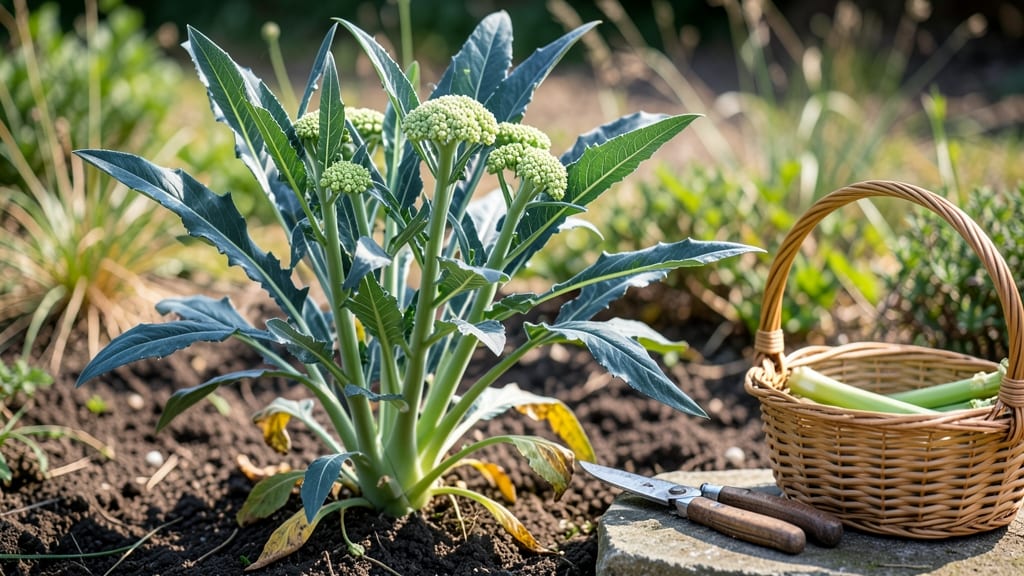
Timing your broccoli rabe season right means the difference between a bold, peppery harvest and a bitter disappointment — and it all starts with knowing when to plant in your zone.
Broccoli rabe—with its nutrient-packed greens and intense flavor—is a cool-season crop that thrives in spring and fall, but push it too early or too late, and you’ll end up with limp, flavorless leaves.
In Zone 6a, like where I garden, the window is tight: March to April for spring and August to September for fall.
But here’s the catch: Heat and frost are the real enemies of broccoli rabe. Plant too soon after the last frost, and the greens bolt before you can harvest. Wait too long, and the summer sun turns them bitter.
I’ve learned the hard way—three failed batches taught me that timing isn’t just about the calendar; it’s about reading your local microclimate.
In this guide, I’ll break down the ideal planting windows by zone, share my proven tricks for extending the season in warm climates, and reveal the companion plants that keep aphids (and frustration) at bay. Ready to grow the best broccoli rabe of your life?
Best planting zones and months for broccoli rabe by region
Broccoli rabe thrives in cool-season climates but wilts under summer heat. Knowing your USDA hardiness zone helps you time plantings for optimal growth and peak flavor. This cool-weather crop prefers temperatures between 45°F and 75°F, making early spring and late summer the sweet spot for most regions.
For gardeners in zones 3-5, focus on spring planting (March-April) and fall succession (August-September). In warmer zones 6-10, prioritize fall plantings to avoid summer bolting. Let’s break down the best planting windows by zone to maximize your harvest.
Pro Tip: Broccoli rabe can handle light frost (down to 20°F), but avoid planting when soil temps exceed 80°F. Use shade cloth in hot zones to protect young plants.
| USDA Zone | Best Planting Months | Direct Sow vs. Transplant | Harvest Window | Key Notes |
|---|---|---|---|---|
| 3-5 | March-April August-September |
Direct sow OR Transplant 4-6 wks before last frost |
May-June October-November |
Use row covers for frost protection. Soil must be 40°F+ to germinate. |
| 6-7 | February-March July-August |
Direct sow OR Transplant 3-4 wks before last frost |
April-May September-October |
Avoid summer planting—heat causes bolting. Use shade cloth if planting in late summer. |
| 8-9 | January-February July-August |
Transplant only (direct sow in fall) | March-April September-November |
Fall plantings yield best results. Start seeds indoors 6-8 wks before transplanting. |
| 10 | October-November February-March |
Transplant only (use shade cloth) | December-January April-May |
Grow as a winter crop. Mulch heavily to retain moisture and cool roots. |
In zones 3-5, your spring planting should begin as soon as soil is workable (typically 4-6 weeks before last frost). For fall harvests, sow seeds in late summer so they mature before winter sets in. Use black plastic mulch to warm soil faster in cold climates.
Gardeners in zones 6-7 have flexibility for both spring and fall plantings, but avoid summer sowing—broccoli rabe bolts quickly when temps exceed 80°F. If you must plant in summer, use shade cloth (30-50%) to protect seedlings until they establish.
For warmer zones 8-10, focus on fall and winter plantings. Broccoli rabe grows well in cool winter months and can even tolerate light frosts. Start seeds indoors 6-8 weeks before transplanting to ensure strong seedlings ready for outdoor conditions.
No matter your zone, soil preparation is key. Amend beds with compost and aged manure to improve drainage, as broccoli rabe hates soggy roots. Aim for a pH of 6.0-7.0—test your soil before planting to adjust if needed.
Transplanting? Harden off seedlings for 7-10 days before moving them outdoors. Space plants 12-18 inches apart in rows 2 feet apart to allow airflow and prevent disease. Thin seedlings to the strongest 2-3 per hill for better yields.
Remember: Succession planting every 2-3 weeks ensures a steady supply. In zones 3-7, sow new batches every 10-14 days in spring for continuous harvests. In zones 8-10, repeat plantings in fall and winter work best.
With the right timing, your broccoli rabe will reward you with bold flavor and nutrient-rich greens all season long. Happy planting! 🥦
How to extend broccoli rabe season for continuous harvests
Broccoli rabe thrives in cool weather but bolts quickly when temperatures rise above 75°F. To enjoy fresh harvests all season, I’ve learned to use a mix of succession planting, season-extending tools, and smart companion planting.
These methods work in both cool climates and mild winters, ensuring your garden stays productive long after the first frost. The key is planning ahead and adapting techniques to your local conditions.
In my Zone 7a garden, I’ve extended broccoli rabe season by up to 4 months using cold frames and staggered plantings. Even in warmer zones like 9b, shade cloth and shade-tolerant varieties keep the harvest going.
The secret isn’t just one trick—it’s layering strategies for maximum protection and yield. Let’s break down the most effective methods I’ve tested over the years.
- 1 Succession Planting: Sow seeds every 2-3 weeks from early spring to late summer. In my garden, I start in March and finish by September to ensure a steady supply.
- 2 Cold Frames: Use them to protect plants from light frosts and extend harvests into winter. I cover my frame with clear plastic on cold nights to trap heat.
- 3 Shade Cloth: Deploy 30-50% shade cloth in late spring to prevent bolting. I hang it over plants when temps hit 80°F and remove it in the evening.
- 4 Companion Plants: Pair broccoli rabe with bush beans or lettuce to improve soil and deter pests. I also plant garlic nearby to repel aphids naturally.
- 5 Winter Mulching: Apply straw or leaves as mulch to insulate roots. This keeps soil temps stable and protects plants from freezing temps down to 20°F.
For succession planting, I start with a 2-week interval between batches. In early spring, I direct-sow seeds every 14 days until mid-summer. This ensures that as one batch matures, another is just starting.
For fall plantings, I switch to transplants for faster growth, especially in cooler zones where the season shortens quickly.
Cold frames are my secret weapon for late-season harvests. I use them to protect plants from light frosts and even extend harvests into December in my climate. To maximize efficiency, I plant a second crop under the frame in late summer, letting it grow slowly through fall and winter.
The frame acts like a mini greenhouse, trapping heat during the day and insulating at night.
In warmer climates, shade cloth is non-negotiable. I’ve seen broccoli rabe bolt within 10 days of hitting 85°F without protection. A 30% shade cloth reduces heat stress while still allowing enough light for growth.
I also water deeply in the early morning to keep soil cool and prevent wilting. Pair this with drip irrigation to avoid wetting leaves, which can lead to fungal issues.
Don’t overlook the power of companion planting. I plant bush beans alongside broccoli rabe because they fix nitrogen in the soil, benefiting both crops. Lettuce also thrives in the same conditions and acts as a living mulch, keeping weeds at bay.
For pest control, I interplant garlic and nasturtiums, which deter aphids and other common pests that target broccoli rabe.
Finally, winter care is often overlooked but crucial. After the first frost, I add a 4-inch layer of straw mulch around plants to insulate roots. This prevents soil heaving and keeps temps stable.
In very cold zones, I also use row covers made of lightweight fabric to protect plants from freezing winds. With these techniques, I’ve harvested broccoli rabe well into January in my garden.