
Blooming
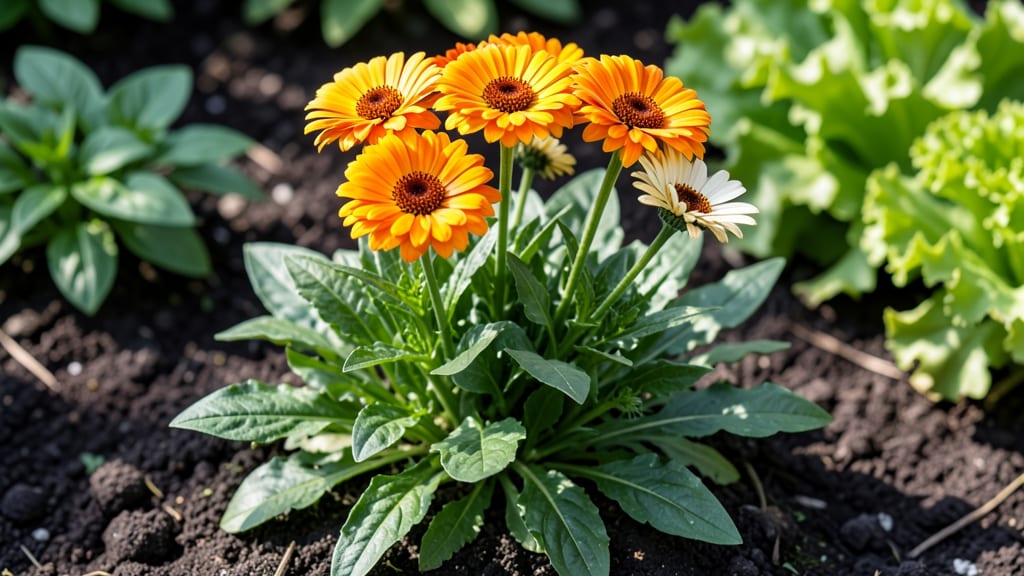
Mastering calendula flower season means never missing those cheerful blooms—even in winter. 🌼 I’ve grown calendula for years, and the secret to year-round flowers isn’t complicated: it’s all about deadheading, soil, and a little patience.
These golden-orange blooms thrive in cool weather, making them perfect for spring, fall, and even mild winters in zones 3-10.
The key to continuous blooms starts with well-draining soil and full sun—calendula hates soggy roots. Plant seeds directly in the garden after your last frost, or start indoors 6-8 weeks early.
Once they’re established, deadhead spent blooms regularly to encourage new flowers. In cooler climates, calendula often self-seeds, giving you free plants for next year.
By mid-summer, your calendula patch should be bursting with vibrant blooms, and with proper care, they’ll keep flowering until frost. The petals are edible too—add them to salads or use them to make calendula-infused oil.
The more you deadhead, the more flowers you’ll get, and the longer your season will last.
Whether you’re growing calendula for their beauty, medicinal properties, or culinary uses, this approach works in containers, raised beds, or in-ground gardens. The only real mistake is not starting soon enough—so grab those seeds and get growing!
📚 In This Guide
- What you need
- Instructions
- Tips and common mistakes
- Wrapping up and next steps
What you need
- ● Calendula plants: 1-5 mature plants (depending on desired garden size)
- ● Tip: Choose disease-resistant varieties like ‘Bonanza’ or ‘Orange King’ for hardier blooms! 🌡️
- ● Pruning shears or sharp scissors: 1 pair (sterilized to prevent disease spread)
- ○ Gloves (optional but recommended): 1 pair (to protect hands from thorns or sap)
- ● Watering can or hose: 1 (for post-deadheading hydration)
- ● Compost or mulch: Small bag (to enrich soil after trimming)
- ● Balanced fertilizer: 5-10-5 or organic option (apply lightly after deadheading)
- ● Plant support (stakes or cages): 2-4 (if calendula grows tall or leggy)
- ● Sunlight meter or app: To track ideal 6+ hours of sun/day for peak blooms
- ● Dried calendula petals: Collect extras for homemade salves or teas! ✨
Step-by-step guide to extending calendula's flowering season
Here's how I keep my calendula blooming continuously—no matter the season.
🌱 Step 1: Select the Right Variety for Long Bloom Times
Choose 'Bonanza' or 'Moonlight' varieties—they're bred for extended flowering. These types produce 10-12 inch stems with 4-5 inch blooms and tolerate cooler temperatures better than others. I always pick organic seed packets labeled for cut flower production since they're bred for robust growth and continuous blooms.
Start seeds indoors 8-10 weeks before last frost in 72°F soil for fastest germination. Use sterile seed-starting mix to prevent damping-off. Once seedlings have 2-3 true leaves, transplant them into 6-inch pots with well-draining soil. This early start gives you a head start on the season and more time for continuous blooms.
☀️ Step 2: Position for Maximum Sunlight and Airflow
Calendula thrives in full sun (6-8 hours daily) but will still produce blooms with 4-6 hours if temperatures stay above 50°F. I plant mine in raised beds with south-facing exposure to maximize sunlight. The key is spacing: plant 12-18 inches apart to ensure good airflow—this prevents fungal diseases like powdery mildew that can halt flowering.
Watch for leggy growth (stems stretching toward light). If you notice this, it's time to rotate your plants every 5-7 days so they grow evenly. Leggy calendula will produce blooms, but they'll be weaker and fewer. Strong plants with compact stems and dark green leaves are the ones that keep blooming nonstop.
✂️ Step 3: Master the Art of Strategic Deadheading
Deadheading is the secret weapon for year-round blooms. As soon as a flower fades to yellow or brown, snip the entire spent bloom (including the small green seed pod) with clean pruners. This prevents the plant from redirecting energy into seed production and encourages new buds to form. I deadhead every morning—it takes just 5 minutes per plant and keeps them flowering continuously.
Don't just cut the petals off—always remove the entire flower head. If you leave the seed pod, the plant will slow down or stop producing new blooms. For cut flower arrangements, harvest stems in the early morning when buds are just opening. This gives you longer vase life and keeps the plant encouraged to produce more blooms.
💧 Step 4: Water and Feed for Continuous Blooming
Calendula is drought-tolerant once established, but for nonstop blooms, keep soil evenly moist (not soggy). Water at the base of the plant in the early morning to reduce fungal risks. I use a drip irrigation system set to 1-2 inches per week during active growth. Overwatering leads to root rot, which kills the plant and stops flowering entirely.
Feed every 4-6 weeks with a balanced liquid fertilizer (10-10-10) or fish emulsion for organic growers. The key is consistency—don't skip feeding once the plant starts flowering. I also side-dress with compost in early spring to give a slow-release nutrient boost. Healthy soil means healthier plants, which means more blooms.
⏰ Step 5: Extend the Season with Seasonal Adjustments
For fall and winter blooms, plant a second crop in late summer (after your first flush of flowers). Use black plastic mulch to warm the soil and extend the growing season by 2-3 weeks. In cooler climates, grow calendula as an annual and sow new seeds every 6 weeks for continuous harvests.
If frost threatens, cut stems back by half and cover with row fabric to protect the plant. Many varieties rebloom in spring if the roots survive. In warmer zones, calendula can self-seed prolifically—thin seedlings to 12 inches apart to prevent overcrowding and give each plant room to thrive.
Tips & tricks for prolonged calendula blooms
Here's what nobody tells you about keeping calendula in full bloom for months—these are the secrets that separate gardeners with occasional flowers from those with continuous harvests.
Soil Temperature Secret: That 72°F soil temperature for starting seeds might seem precise, but it's even more critical than you think. Use a soil thermometer to confirm—cold soil slows germination and weakens seedlings. I've seen germination rates drop by 50% when soil dips below 68°F. For faster results, place seed trays on a heat mat (set to 75°F) until sprouts appear. This gives you a 2-3 day head start on seedlings grown in cooler soil.
Deadheading Discipline: The 5-minute morning deadheading routine is non-negotiable for continuous blooms. Here's the trick: use sharp pruners and cut just above the next set of leaves (where new buds form). I keep a small bucket of water nearby to rinse my tools between cuts—this prevents spreading fungal spores. If you're harvesting for arrangements, always cut stems at a 45-degree angle to maximize water uptake and vase life.
Light Rotation Strategy: Those 6-8 hours of sunlight are ideal, but here's what I do when plants start looking leggy: rotate them every 5 days so all sides get even exposure. I mark my rotation schedule on a small chalkboard near the garden. This creates compact, bushy plants that produce more blooms. In containers, simply turn the pot a quarter turn each time—no extra effort needed.
Season Extension Hack: For that 2-3 week extension in cooler climates, I use clear plastic domes (like mini greenhouse covers) over individual plants instead of black plastic mulch. This traps warmth while still allowing light through, and you can remove them during warm days. The key is to ventilate daily to prevent humidity buildup that causes mildew—just lift one edge for 10 minutes.
Pro Tips for Calendula Flower Season
- Here's what nobody tells you about keeping calendula in full bloom for months—these are the secrets that separate gardeners with occasional flowers from those with continuous harvests.
- Soil Temperature Secret: That 72°F soil temperature for starting seeds might seem precise, but it's even more critical than you think.
- Deadheading Discipline: The 5-minute morning deadheading routine is non-negotiable for continuous blooms.
Frequently asked questions
Got questions about calendula’s blooming magic?
Here are the answers to the most common queries—so you can keep those golden petals popping all season long!
When is the best time to plant calendula for continuous blooms?
Calendula thrives in cool to moderate climates, so plant seeds in early spring (after frost) or late summer (for fall blooms). In warm zones, sow in fall or winter for spring flowers. Direct sowing works best—calendula hates transplanting! For year-round blooms, stagger plantings every 2–3 weeks.
How often should I deadhead calendula to encourage more flowers?
Deadhead spent blooms every 2–3 days during peak season (spring–fall) to trigger nonstop reblooming. Snip just above the first set of leaves where the flower stem meets the foliage. Pro tip: Use clean pruners or your fingers—no need to overcomplicate it! Overhead watering helps keep stems dry and prevents mildew.
What do I do if my calendula flowers stop blooming?
Fading blooms often signal heat stress, overcrowding, or nutrient depletion. Try these fixes:
- Move to partial shade if temps hit 90°F+ (32°C+).
- Thin plants to 12–18 inches apart for better airflow.
- Fertilize lightly with compost tea or a balanced 10-10-10 mix.
- Check for pests (aphids, powdery mildew)—spray with neem oil if needed.
Can I grow calendula indoors for year-round color?
Plant seeds in well-draining pots with a sunny windowsill (south-facing) or under grow lights (12–14 hours/day). Use a light potting mix and deadhead regularly. Just avoid overwatering—calendula hates soggy roots. A terracotta pot helps prevent rot.
What’s a good calendula alternative if I want similar-looking flowers?
If you love calendula’s cheerful orange/yellow blooms, try these easy substitutes:
Flower
Why It’s Great
Marigold (Tagetes)
Drought-tolerant, pest-repelling, and equally vibrant.
Zinnia (Zinnia elegans)
Long-lasting cuts, edible petals, and bold colors.
Corn Marigold (Chrysanthemum segetum)
Hardy, self-seeds, and thrives in poor soil.
Wrapping up and next steps
Mastering the art of deadheading calendula flowers ensures vibrant, year-round blooms that brighten your garden with their cheerful golden hues. 🌼 Whether you’re a seasoned gardener or just starting, these techniques are simple yet powerful—giving you a thriving patch of calendula even beyond its peak season.
Ready to transform your garden?
🌱 Your Next Step: Experiment & Enjoy!
Grab your shears, head outside, and give deadheading a try! Start with one plant, observe the results, and soon you’ll be sharing your blooming success with fellow gardening enthusiasts. Happy pruning—and happy blooming! 🌞