
Container Gardens
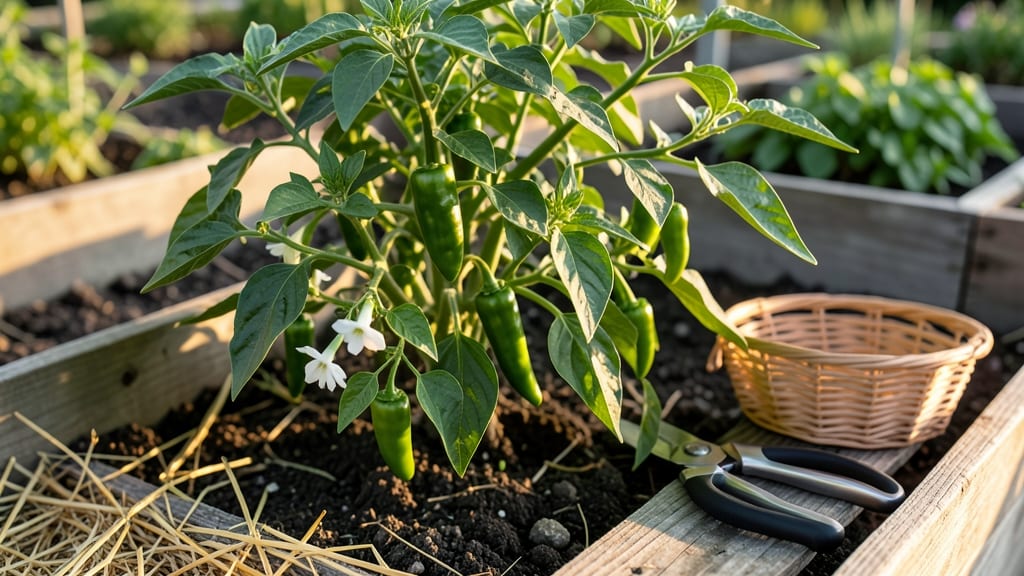
Growing a jalapeño in the right season means the difference between a bountiful harvest and a sad, wilted plant 🌶️ — and the clock starts the moment you pick your seeds.
Want to grow fiery jalapeños but don’t know when to plant them in your climate? Timing your jalapeño growing season correctly can mean the difference between a thriving harvest and a failed crop—especially when heat and daylight matter most.
In cooler zones like USDA 6a, waiting until after the last frost (usually mid-April) ensures your plants aren’t shocked by cold snaps. Meanwhile, in warmer climates, you might start as early as February to beat the summer heat.
Below, I break down the exact planting windows for your zone, how to stretch the season with succession planting, and the fastest way to get peppers on the vine—no guesswork, just results.
Jalapeño growing season by USDA hardiness zones: when to plant for maximum yield
Jalapeños thrive in warm climates but need precise timing to avoid frost damage. Your USDA hardiness zone determines the ideal planting window, whether you're starting seeds indoors or transplanting young plants.
In cooler zones like 3-6, you'll need to extend the season with row covers, while zones 7-11 can plant directly into the ground much earlier.
For maximum yield, calculate your frost-free dates—jalapeños can't tolerate temperatures below 50°F (10°C). Most varieties need 75-90 days to mature, so adjust your planting schedule accordingly.
Early varieties like 'Early Jalapeño' mature faster, while late varieties like 'Big Jim' take longer. Let's break down the best planting times for each zone.
🌱 Pro Tip: Use a soil thermometer—jalapeños need soil temps of at least 60°F (15°C) to germinate properly. If your soil is cooler, try black plastic mulch to warm it up faster.
| USDA Zone | Last Frost Date | Ideal Planting Window | Direct Sow Method | Transplant Method |
|---|---|---|---|---|
| 3-4 | Mid-May | Late May - Early June | ❌ Not recommended | Start indoors Mar 15; transplant May 1 |
| 5-6 | Mid-April | Early May - Mid-May | ✅ After May 15 | Start indoors Feb 15; transplant Apr 15 |
| 7-8 | Mid-March | Mid-March - Early April | ✅ After Mar 15 | Start indoors Jan 15; transplant Mar 1 |
| 9-10 | Late January | Mid-February - Early March | ✅ After Feb 1 | Start indoors Dec 15; transplant Jan 15 |
| 11 | None (year-round) | Year-round (best: Feb-Apr) | ✅ Any time | Transplant anytime |
🌡️ Note: Adjust dates 2-3 weeks earlier for early varieties or later for late varieties.
In zones 3-4, where frost lingers late, focus on transplanting rather than direct sowing. Start seeds indoors 4-6 weeks before your last frost date, then harden them off before moving outside. Use row covers to extend the season by 2-4 weeks in these cooler climates.
For zones 5-6, you can try direct sowing after your last frost, but transplanting gives you a 2-week head start. Choose early-maturing varieties like 'Early Jalapeño' to ensure harvests before fall frosts. Plant in full sun and use mulch to retain soil warmth.
Gardeners in
How daylight hours and heat affect jalapeño growing season success
Jalapeños thrive in warm temperatures and long daylight hours, but getting these conditions right is key to a bountiful harvest. Too little heat or daylight can slow growth, while excessive heat or short days may stress your plants.
Understanding these factors helps you time your planting and extend the season in cooler climates.
Jalapeños prefer 60–95°F (15–35°C) soil and air temperatures. Below 55°F (13°C), growth stalls, and above 95°F (35°C), plants may bolt or produce bitter peppers. Meanwhile, daylight needs vary by variety—most thrive with 10–12 hours of light, but some adapt to shorter days.
| Factor | Ideal Range | Notes |
|---|---|---|
| Daylight Hours | 10–12 hours | Short-day varieties tolerate 8–10 hours; supplement with grow lights if needed. |
| Soil Temperature | 60–95°F (15–35°C) | Use black plastic mulch to warm cold soil faster. |
| Air Temperature | 70–85°F (21–29°C) | Shade cloth protects from extreme heat; row covers extend cooler-season growth. |
| Minimum Frost-Free Days | 90–120 days | Start indoors or use greenhouses in short-season zones. |
In cooler climates (USDA Zones 3–6), extend your jalapeño season with row covers or low tunnels. These raise soil and air temperatures by 5–10°F (3–6°C), letting you plant 2–4 weeks earlier in spring or 2–3 weeks later in fall.
For example, in Zone 5, I’ve successfully grown jalapeños until mid-October using a lightweight row cover.
If you’re in a hot, dry climate (Zones 9–11), prioritize afternoon shade and consistent watering to prevent bolting. Drip irrigation keeps roots moist without wetting foliage, reducing fungal risks. Varieties like ‘Early Jalapeño’ or ‘Red Jalapeño’ handle heat better than standard types.
For container growing, choose compact varieties like ‘Mini Jalapeño’ and place pots in full sun. Move containers to shade during peak afternoon heat (2–5 PM) to protect delicate plants. Containers also let you rotate crops seasonally, maximizing your harvest window.
Monitor your plants closely: yellowing leaves signal heat stress, while slow growth often means insufficient light. Adjust with shade cloth, mulch, or supplemental lighting as needed. With the right balance, you’ll enjoy spicy jalapeños all season long—no matter your climate! 🌶️🌡️