
Blooming
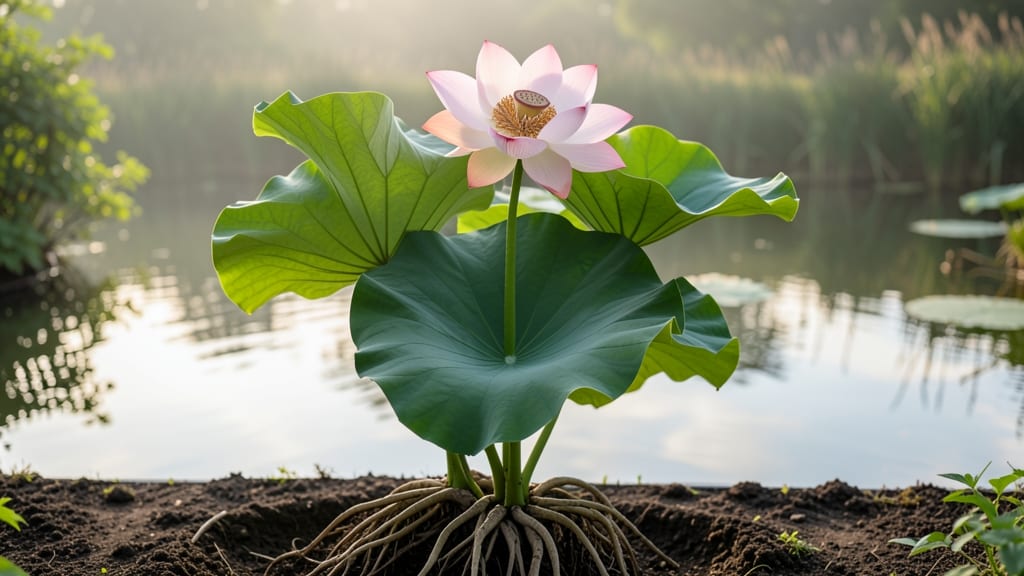
The Sacred Lotus 🌸 flowers during its exact flowering season, a breathtaking window that transforms your garden into a serene sanctuary.
Picture this: a single bud breaking through the water’s surface, revealing petals of delicate pink, pristine white, or deep blue—only to last for a single day.
That fleeting beauty is why timing is everything. Miss the 6-8 week window by even a week, and you might wait another year for the show.
This guide reveals the precise months your lotus will bloom based on your hardiness zone, from the late spring bursts of Zone 7 to the extended summer displays in Zones 9-11. We’ll also uncover the secrets behind water depth, sunlight, and temperature that trigger those iconic blooms.
Whether you’re a patient gardener or a first-time lotus grower, you’ll discover how to align your care routine with nature’s schedule—so you never miss another sunrise-welcoming bloom.
Lotus flowering season by USDA hardiness Zone: exact months to plan ahead
Timing your lotus flowering season depends entirely on your USDA hardiness zone. In colder zones like Zone 4–6, lotuses may bloom as late as August, while warmer zones like Zone 9–11 enjoy extended blooms from June through September.
Understanding these variations helps you prepare for the ideal bloom window in your region.
Lotus plants are perennial in warmer climates but often treated as annuals in colder zones due to frost sensitivity. Their blooms emerge after 60–90 days of consistent warmth, triggered by soil temperatures above 70°F.
This means your local microclimate—like nearby water bodies or urban heat islands—can shift bloom times by 1–2 weeks.
🌸
In Zone 4–6, lotuses often bloom later due to cooler spring temperatures. Plant rhizomes in late May after the last frost to ensure they establish roots before summer heat triggers blooms. Use black plastic mulch to warm soil faster and extend the season by 1–2 weeks.
For Zones 7–8, lotuses typically bloom in June–July, with some varieties reblooming in late summer if given consistent moisture and full sun.
In my garden in Zone 7b, my Nelumbo nucifera blooms for 6 weeks straight when I fertilize with high-phosphorus blooming formulas in early May.
Warmer zones like Zone 9–11 offer the longest flowering windows. Here, lotuses can bloom from May through September, with some varieties like Nelumbo lutea (yellow lotus) extending into October. The key is maintaining water depth (3–12 inches) and fertility levels year-round.
If you’re in Zone 11, your lotus may bloom year-round with minimal dormancy. However, even tropical lotuses need a 2–4 week rest period every 6–8 months to prevent nutrient depletion. Reduce water slightly during these periods to mimic natural dry seasons.
Regional variations also matter. For example, coastal Zone 9 gardens may see earlier blooms due to milder winters, while inland Zone 9 areas might align more closely with Zone 10 timelines. Always monitor your local last frost dates and adjust planting accordingly.
Pro tip: Use a planting calendar to track soil temperatures—lotuses won’t bloom until the soil reaches 70°F for 2+ weeks. A simple soil thermometer ($10 at garden centers) saves guesswork and ensures you’re ready when buds form.
🌿
5 Key factors that determine your lotus’s exact flowering time (and how to control them)
Your lotus’s flowering season hinges on five critical factors you can control. Unlike annuals, lotuses are perennial in warmer zones (7–11), but even they need precise conditions to bloom reliably.
The right balance of sunlight, water depth, and soil temperature can shift blooms earlier or later by weeks—even months. Let’s break down how each factor works and how to adjust them for perfect timing.
First, sunlight exposure is non-negotiable. Lotus plants demand 6+ hours of direct sun daily to trigger blooming. In Zones 4–6, where winters force dormancy, you’ll need to extend sunlight exposure in containers to coax earlier blooms.
Without enough light, your lotus will focus on leafy growth instead of flower buds, delaying blooms by up to 4–6 weeks. Even in ideal zones, partial shade can push flowering into late summer instead of peak season.
Here’s how these factors directly impact your lotus’s blooming window—and what you can do to control them:
Adjusting these factors can shift your lotus’s flowering window by 3–6 weeks. For example, in Zone 7, adding a heat mat and extending sunlight can move blooms from late July to early June.
Conversely, reducing fertilizer in late summer delays blooms until September, perfect for fall displays. The key is consistency—lotuses thrive on routine, so monitor water depth, sunlight, and soil temp weekly once buds form.
Pro tip: Use a pond thermometer to track soil temps. Once they hit 70°F for 3+ days, blooms will follow within 6–8 weeks. Pair this with morning watering (to prevent fungal issues) and you’ll have a predictable, stunning flowering season every year—no matter your zone.
🌸