
Picking
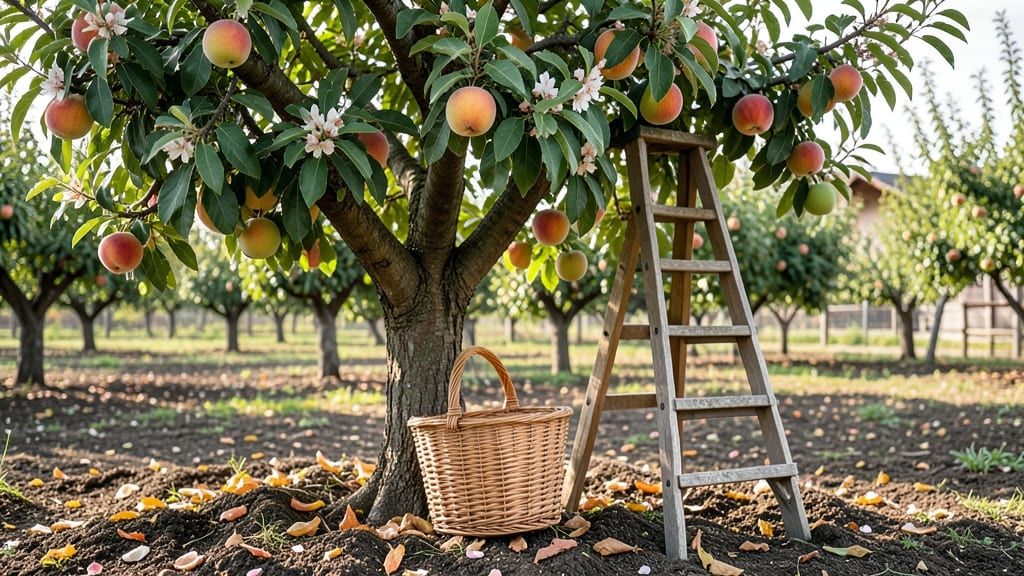
Peaches hit their peak season when they’re at their sweetest and juiciest—usually between July and early September in most of the U.S., but the exact timing depends on where you live.
Picture this: a warm summer afternoon, a ripe 🍑 peach in hand, and that first bite of pure, sun-kissed flavor. But if you’re not in the right place at the right time, you might end up with fruit that’s either too tart or already past its prime.
That’s why knowing your region’s peach peak season is the key to enjoying them at their best.
From the Southern states where peaches ripen as early as May to the Pacific Northwest’s later harvests in August or September, the timing varies. Even within the same state, microclimates can shift the window by weeks.
Below, I’ll break down the exact months for juicy peaches in your area, plus how to spot a perfectly ripe one at the market or on the tree.
You’ll also discover how to extend the season with early- and late-ripening varieties, store peaches to keep them fresh for weeks, and even preserve that summer flavor for winter. Let’s dive in!
Peach peak season by U.s. region: month-by-month ripeness guide
Peach trees thrive in warm climates, but their peak ripeness timing varies dramatically across the U.S. due to microclimates, elevation, and variety. Southern gardeners enjoy peaches as early as May, while Pacific Northwest growers wait until late August.
Understanding these regional patterns ensures you never miss the sweetest, juiciest peaches of the season.
Climate plays a huge role—hotter southern regions ripen fruit faster, while cooler northern zones extend the season later. Even within states, mountain valleys can be 2-4 weeks behind coastal plains. For example, Georgia’s peaches peak in June-July, but Colorado’s high-altitude orchards don’t reach full ripeness until August-September.
| Region | Peak Season | Key Varieties | Climate Notes |
|---|---|---|---|
| Southern States (GA, SC, AL, TX) | Late May - Early July | Elberta, Redhaven, Flordagold | Hot summers, early frost risk |
| Midwest (OH, IN, IL, MO) | Late June - Mid August | Relenta, Contender, Harvester | Moderate heat, longer growing season |
| Pacific Northwest (WA, OR) | Late August - Early September | Redhaven, Contender, June Gold | Cooler temps, extended ripening |
| California Central Valley | June - Mid September | June Gold, Fantasia, O'Henry | Arid climate, year-round production |
In the Deep South, peaches like Elberta and Redhaven reach peak sweetness by late May, making them perfect for early summer picnics. These varieties thrive in USDA Zones 7-9, where warm nights accelerate ripening.
If you’re in Georgia or South Carolina, plan your harvest around Memorial Day for the best flavor.
Midwestern states like Ohio and Michigan experience peak season 2-3 weeks later, typically in late June. Varieties like Relenta and Contender handle cooler nights better, delivering firm, flavorful fruit even in less-than-perfect summers.
These regions often see two harvest waves: early varieties in June and late varieties in August.
For Pacific Northwest gardeners, patience is key—August and September are your months. Cooler temperatures slow ripening, but varieties like June Gold shine in these conditions.
If you’re in Washington or Oregon, check for full color and a slight give when pressing the fruit, as these are your best ripeness indicators in cooler climates.
California’s Central Valley stands out with an extended harvest window from June through September. The arid climate and long growing season allow for year-round production of varieties like Fantasia and O'Henry. If you’re visiting a California orchard, you can often find multiple ripeness stages at once!
Don’t forget that elevation matters—even within states. A mountain orchard in North Carolina might peak 3 weeks later than one in the coastal plains. Always check with local extension offices or orchard managers for hyper-local timing tips.
Pro growers also recommend tasting a few peaches from different trees to confirm ripeness.
Once you’ve mastered the timing, store your peaches properly to preserve peak flavor. Keep them at room temperature for 2-3 days, then refrigerate to extend freshness. For long-term storage, try freezing or canning—just be sure to use fully ripe fruit for the best results.
Now that you know the exact months for your region, mark your calendar and head to the orchard or farmers market at the perfect time. There’s nothing like a sun-warmed, tree-ripe peach straight from the vine—just make sure you’re picking at peak season! 🍑🌿
How to identify perfectly ripe peaches at farmers markets
At farmers markets, the difference between a dull, mealy peach and a juicy, sweet masterpiece often comes down to timing and technique. I’ve learned that even the most experienced vendors sometimes miss the mark on ripeness—so I’ve mastered a few pro tricks to spot the perfect peach every time.
The key? Combining visual cues with a simple gentle squeeze test that reveals hidden sweetness.
First, let’s talk color consistency. A perfectly ripe peach should have a uniform blush—no green patches or overly dark spots. White-fleshed varieties like Belle of Georgia will have a soft yellow hue, while freestone types like Elberta develop a deeper orange-red blush.
But here’s the catch: color alone isn’t enough. Some peaches stay green on the outside while ripening internally, a trick that can fool even seasoned shoppers.
🍑 5 Signs of a Perfectly Ripe Peach
- 1. Blushed color with no green—check both sides of the fruit.
- 2. Slight give when pressed gently with your thumb (like a ripe avocado).
- 3. Fragrant stem—sniff where the stem meets the fruit; sweetness should be noticeable.
- 4. Easy separation from the branch (if still attached) with a slight twist.
- 5. Seed pit that’s fully brown inside (cut one open if unsure!).
Don’t overlook the stem check, which is often the most overlooked clue. A ripe peach’s stem will separate easily from the fruit—if it takes force, the peach isn’t ready. I also look for a slightly wrinkled skin near the stem; this indicates natural ripening, not overripeness.
Pro tip: Avoid peaches with dry, shriveled stems or cracked skin, as these are signs of poor handling or age.
The gentle squeeze test is where most people go wrong. Press your thumb into the peach’s flesh—it should yield slightly but not feel mushy. A firm peach is underripe, while one that’s too soft may be past its prime.
I like to compare two peaches side by side: the riper one will have a warmer feel and a sweeter aroma near the stem. If you’re still unsure, ask the vendor when they harvested them—peaches ripen 1-2 days after picking at room temperature.
Seasoned shoppers know to avoid common pitfalls like buying peaches with uneven coloring or dents, which can indicate bruising. I also steer clear of peaches with white or gray mold near the stem, a sign of brown rot, a common fungal disease.
If you’re buying in bulk, grab a few from the middle of the display—these tend to ripen more evenly than those on the edges, which may have been exposed to more sunlight or cold.
One final trick: Taste test before buying if possible. Many vendors will let you sample a peach—if it’s tart or bland, walk away. The sweetest peaches have a balance of sugar and acidity, with just a hint of floral notes.
Store your peaches at room temperature for 2-3 days to ripen fully, or refrigerate for up to a week if you need to hold off on eating them. With these tips, you’ll never leave the farmers market with less-than-perfect peaches again. 🌱