
Flowers
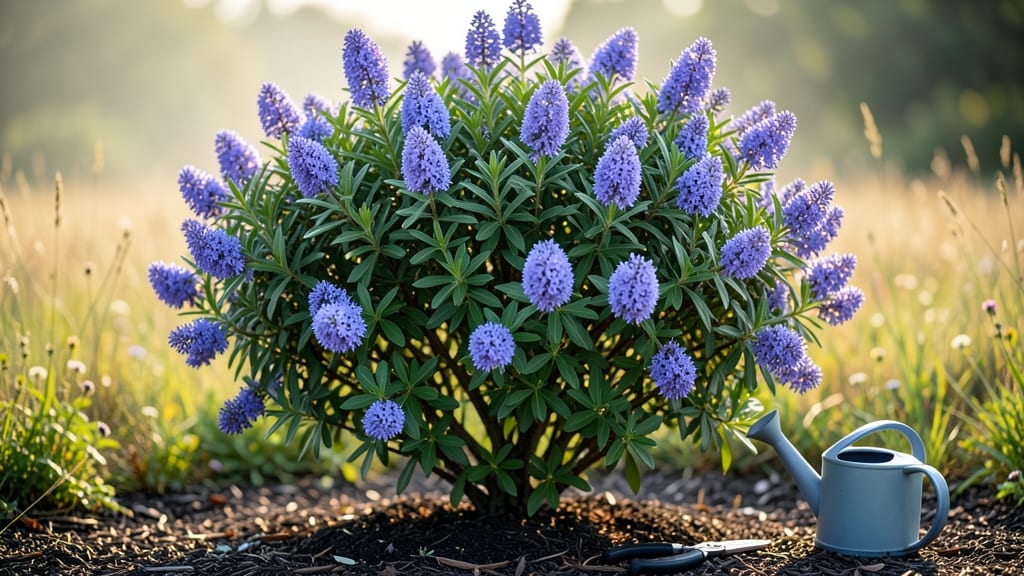
California lilacs thrive best in USDA Hardiness Zones 7 through 9, particularly in coastal and inland areas like Los Angeles, San Diego, and Sacramento. Opt for cold-resistant types like Syringa vulgaris 'President Lincoln' for milder winters or drought-tolerant hybrids for drier regions. Plant in well-draining soil with full sunlight and prune yearly for vibrant blooms.
California’s USDA Zones 7-9 create ideal conditions for lilacs, thanks to mild winters and long growing seasons. 🌿 Coastal areas benefit from ocean breezes that moderate temperatures, while inland regions like Riverside offer hotter summers where drought-resistant varieties excel.
The key is matching your location’s microclimate—higher elevations may need cold-hardier selections, while low desert areas should prioritize heat tolerance. I’ve found that planting in late fall gives roots time to establish before summer’s peak heat, ensuring stronger blooms the following spring.
For optimal growth, focus on soil drainage and sunlight—lilacs despise soggy roots but thrive in full sun. In drier climates, mulching helps retain moisture while protecting roots from extreme temperatures. Pruning after blooming removes spent flowers and encourages denser growth, though avoid heavy cuts that can stress the plant.
Whether you’re in Zone 7’s cooler inland valleys or Zone 9’s coastal warmth, the right variety and care make all the difference.
💡 In This Article
- California’s USDA Zones and Lilac Adaptation
- Best Lilac Varieties for California Gardens
California’s USDA zones and Lilac adaptation
California’s diverse geography creates microclimates that dramatically affect lilac growth. Coastal regions like San Diego (Zone 9b) and Santa Barbara (Zone 9a) enjoy ocean breezes that moderate summer heat, keeping daytime highs around 85-90°F—ideal for heat-sensitive lilac varieties.
In contrast, inland areas such as Sacramento (Zone 9a) and Los Angeles (Zone 10a) can hit 100°F+ in summer, requiring drought-tolerant cultivars that thrive with minimal irrigation.
The USDA Zone system accounts for average annual minimum temperatures, but lilacs also need winter chill hours (500-1,000 hours below 45°F) to trigger blooming.
Coastal zones often receive fewer chill hours than inland areas, which is why varieties like 'Dwarf Korean Lilac' (Zone 5-9) excel—they bloom reliably with 300-500 chill hours.
Higher elevations (e.g., Mount Shasta, Zone 7b) experience colder winters, making them suitable for traditional lilacs like 'President Lincoln' that need 800+ chill hours.
Frost risk varies dramatically: Coastal areas rarely drop below 30°F, while inland valleys can hit 20°F or lower. Lilacs tolerate light frosts (28-32°F) but suffer damage below 20°F.
Mulching with 3-4 inches of wood chips insulates roots, while choosing evergreen varieties (like 'Miss Kim') reduces winter stress. In frost-prone zones, planting on south-facing slopes captures warmth and extends the growing season.
Soil drainage is non-negotiable—lilacs rot in soggy conditions. Coastal areas with clay-heavy soils (common in San Francisco Bay Area, Zone 9a) need amendments like sand or compost to improve aeration. Inland desert soils (Palm Springs, Zone 10b) benefit from organic mulch to retain moisture.
The pH should stay neutral (6.5-7.0), as alkaline soils (common in California) can lock out nutrients, stunting growth.
Elevation plays a hidden role: Every 1,000-foot increase drops temperatures by 3.5-5°F. A Zone 9a garden at sea level may need Zone 8 varieties if planted at 3,000 feet.
For example, 'Charles Joly' (Zone 5-9) thrives in Sacramento’s lowlands (Zone 9a) but may struggle in San Bernardino’s foothills (Zone 8a) without winter protection.
What most gardeners overlook is the summer heat tolerance threshold: Lilacs wilt when daytime temps exceed 95°F for more than 2 weeks. Drip irrigation (1-2 gallons per plant weekly) during heatwaves prevents leaf scorch.
In Zone 10a (e.g., Riverside), shade cloth (30-50% coverage) protects young plants until their root systems mature.