
Planting
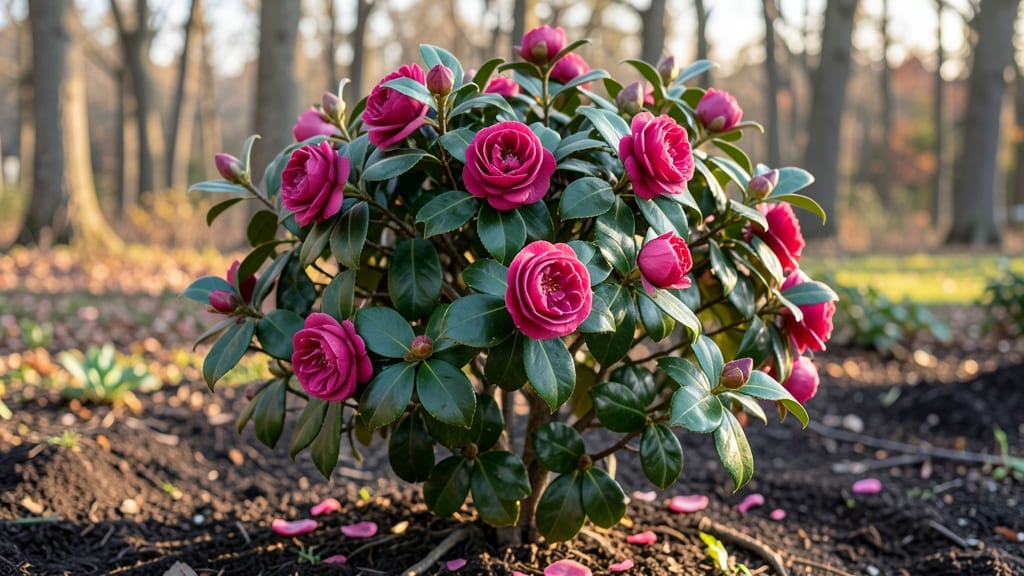
Camellias grow best in USDA hardiness zones 7 through 9, where they enjoy mild winters and high humidity. Cold-hardy varieties can handle zone 6 with extra winter protection, while tropical types require zone 8 or warmer climates.
Understanding these zones helps you match the right camellia variety to your climate. 🌿 For example, Camellia sasanqua often thrives in zone 7, while Camellia japonica varieties typically prefer zone 8 or 9.
The key difference lies in frost sensitivity—evergreen types need consistent winter protection, whereas deciduous varieties can handle slightly colder snaps. I always recommend checking your local microclimate, as urban areas might be 2-3 zones warmer than rural spots just a few miles away.
Beyond the official zones, factors like afternoon sun exposure and soil drainage play huge roles in survival. Zone 6 gardeners can extend their growing season by planting near south-facing walls or using thick mulch layers.
Meanwhile, zone 10 growers should choose heat-tolerant varieties like Camellia reticulata to prevent leaf scorch during summer's peak temperatures.
💡 In This Article
- USDA Zone Breakdown for Camellia Cultivation
- Microclimate Strategies for Extending Camellia Zones
USDA zone breakdown for Camellia cultivation
Camellias thrive in zones 7-9 because their native habitats in East Asia experience mild winters with minimal frost—typically between 10-20°F for short durations. The critical threshold is 28°F: sustained exposure below this causes irreversible damage to evergreen varieties, while deciduous types may survive brief dips to 20°F.
What most gardeners don't realize is that chill hours (0-45°F for 7-12 hours) actually trigger blooming—too many (1,000+ hours) can delay flowering in tropical varieties like Camellia japonica.
The zone differences stem from leaf structure: evergreen types have thick, waxy leaves that protect against light frost (28-32°F), but their roots remain vulnerable. Deciduous varieties shed leaves to conserve energy, allowing them to tolerate shorter cold snaps.
For example, Camellia sasanqua (zone 7) handles 15°F for 2-3 hours, while Camellia reticulata (zone 8-9) struggles below 30°F. The science here involves cryoprotective proteins that some varieties produce to prevent cell damage.
Humidity is equally critical—camellias need 60-70% relative humidity to prevent leaf desiccation. In zone 6, where winters dip below 0°F, the solution lies in root insulation: mulching with 6-8 inches of wood chips maintains soil temps 5-10°F warmer than air temps.
I've seen Camellia 'Winter's Star' thrive in zone 6 gardens with this protection, while unprotected plants lose buds to 30°F freezes. The key is creating a microclimate where roots stay just above freezing.
Temperature extremes also affect blooming cycles. In zone 10, where winters rarely drop below 40°F, tropical camellias may fail to bloom because they require 100-300 chill hours.
This is why Camellia 'Yuletide' (zone 7) produces 10-12 blooms per season in ideal conditions, while the same variety in zone 9 might yield only 3-4. The solution?
Choose varieties bred for your zone's chill hour range—like Camellia 'Spring's Promise' (zone 8), which blooms reliably with 200-400 chill hours.
Soil temperature matters too. Camellias prefer 60-65°F soil for root growth, which means spring planting should wait until ground temps stabilize above 55°F. In zone 6, this often means delaying planting until late May or June, while zone 9 gardeners can plant year-round.
The root zone's temperature directly impacts nutrient uptake—cooler soils (50°F) slow growth by 30-40%, which is why winter mulching is non-negotiable in marginal zones.
Here's what to watch for by zone:
- Zone 6: Evergreens need full winter protection (burlap wraps, frost cloth) and south-facing walls to capture reflected heat
- Zone 7: Camellia sasanqua thrives with 3-4 inches of mulch and tolerates 20°F for brief periods
- Zone 8-9: Focus on afternoon shade to prevent leaf scorch during 90°F+ days
- Zone 10+: Prioritize air circulation to reduce fungal risks in humid climates
Remember: the USDA zone map is a starting point—your local weather patterns (like lake-effect snow or urban heat islands) can shift your effective zone by 1-2 degrees. Always observe your camellia's response to winter: if buds swell but don't open, you're likely in a chill-hour deficit. 🌸