
Container Gardens
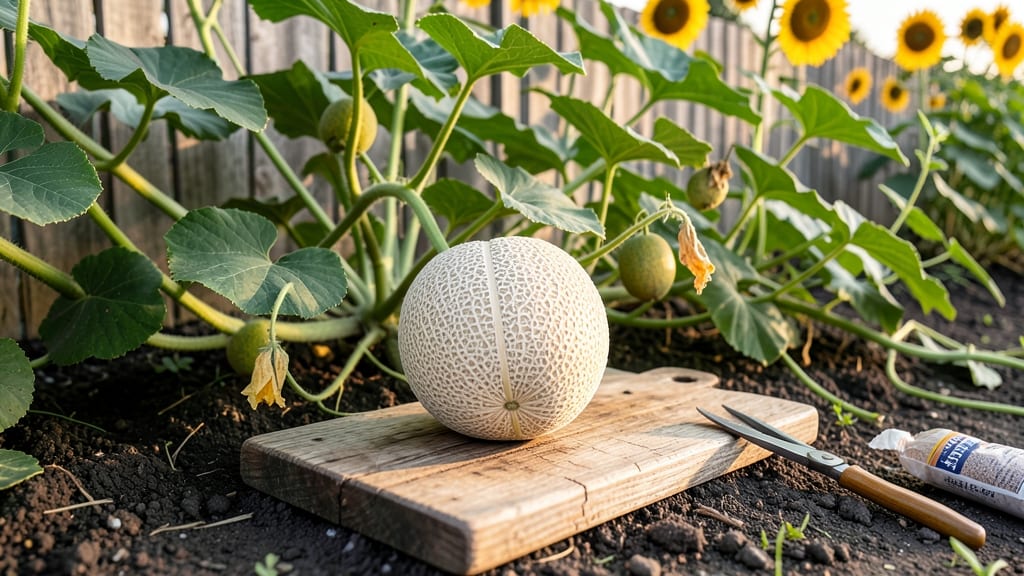
The cantaloupe growing season starts when soil warms to 70°F—and getting it right means sweet, fragrant melons instead of bitter ones. 🌱 I learned the hard way that planting too early in cool zones means stunted vines and tiny fruit.
The key is matching your USDA zone to cantaloupe's love of heat, which is why timing matters more than most gardeners realize.
In warm climates like Zone 9, you can direct-sow seeds in early spring, but in cooler Zones 4-6, start seeds indoors 4-6 weeks before last frost. Transplant when nighttime temps stay above 55°F, and expect vines to take 70-90 days to produce ripe fruit.
The real secret? Cantaloupes need consistent warmth—they bolt (flower too early) if nights dip below 60°F.
By late summer, you'll be harvesting melons with that signature "beard" at the stem and sweet, musky aroma. A single healthy vine can yield 10-15 melons, but only if you give it full sun and well-draining soil. The payoff? Homegrown cantaloupes that outshine store-bought every time.
Works for garden beds, raised beds, or even large containers—just ensure vines have room to sprawl. Here's how to time it perfectly for your zone and avoid common pitfalls that ruin harvests.
📚 In This Guide
- What you need
- Instructions
- Tips and common mistakes
- Wrapping up and next steps
What you need
- ● Cantaloupe Seeds: 3–5 seeds per container (or 1–2 seeds per hill in larger gardens). Choose varieties like 'Athena' or 'Hale's Best' for containers.
- ● Containers: 5–10 gallon pots (minimum 12" deep) for 1–2 plants each.
- ● Fabric grow bags (10+ gallons) for better drainage.
- ● Potting Mix: 10–15 lbs of high-quality, well-draining container mix (avoid garden soil—it compacts!).
- ● Compost or Fertilizer: 1 cup balanced 10-10-10 fertilizer per plant at planting.
- ● Slow-release organic fertilizer (like worm castings) for ongoing nutrition.
- ○ Support Structures (Optional): Small cages or stakes (3–4 ft tall) to train vines if needed.
- ● Plastic mulch or landscape fabric to retain moisture and warmth.
- ● Sunlight: Full sun (6–8+ hours daily). South-facing containers get priority!
- ● Warmth: Soil temps of 70°F+ (use a soil thermometer to check). Cantaloupes hate cold!
- ● Watering System: Drip irrigation or a watering can with a rose attachment (avoid overhead watering to prevent disease).
- ○ Self-watering containers (optional but highly recommended for busy gardeners).
- ● USDA Zone Check: Plant after your last frost date (typically USDA Zones 4–10, but start seeds indoors 3–4 weeks early in cooler zones).
Instructions for planning your cantaloupe growing season by USDA zone
Here's how to time your cantaloupe planting for maximum sweetness and yield in your climate.
📅 Step 1: Determine Your Last Frost Date and Planting Window
First, find your USDA zone and last average frost date—this is your starting point. Cantaloupes need warm soil to germinate, so wait until soil temperatures reach 70°F (use a soil thermometer for accuracy). In Zones 4-5, this typically means planting 2-3 weeks after your last frost date.
For Zones 6-7, you can plant as early as mid-April to early May once nighttime temperatures stay above 55°F. In Zones 8-11, plant in late February to early March for a spring crop, or June to July for a fall harvest. The key is 100-140 frost-free days to maturity.
🌱 Step 2: Prepare the Soil and Plant Seeds or Transplants
Cantaloupes thrive in well-draining, fertile soil with a pH between 6.0 and 6.8. Work in 2-3 inches of compost or aged manure 2-3 weeks before planting to improve fertility. If your soil is heavy clay, mix in sand or perlite to prevent root rot.
Plant seeds ½ inch deep and 6 inches apart in hills spaced 5-6 feet apart. If using transplants, set them out after all danger of frost has passed, spacing 24-36 inches apart. Thin seedlings to the strongest one per hill to avoid competition. Water deeply after planting to settle the soil around roots.
☀️ Step 3: Provide Optimal Growing Conditions
Cantaloupes need full sun (6-8 hours daily) and consistent moisture. Water 1-2 inches per week, keeping soil evenly moist but not soggy. Mulch around plants with straw or grass clippings to retain moisture and suppress weeds. Avoid wetting the foliage to prevent disease.
When vines start running, provide trellis support if space is limited—this keeps fruit off the ground and improves air circulation. You'll know it's working when vines spread 3-5 feet long and begin producing yellow male flowers followed by female flowers with tiny fruit at the base.
⏰ Step 4: Monitor Growth and Harvest at Peak Ripeness
Cantaloupes typically mature in 75-90 days, but watch for these ripeness cues: the stem near the vine should slip easily when gently twisted, and the blossom end (opposite the stem) should turn from white to cream-colored. The fruit should also give slightly when pressed and emit a sweet, musky aroma near the stem.
Harvest promptly—overripe cantaloupes split and attract pests. In cooler climates (Zones 4-6), expect harvests in late summer to early fall. In warmer zones (7-11), you may get two harvests: one in spring and another in fall. Store ripe fruit in a cool, dry place for up to 1 week.
✂️ Step 5: Extend the Season in Cooler Climates
If you're in Zones 4-5, use black plastic mulch or row covers to warm the soil and protect young plants. Plant early-maturing varieties like 'Minnesota Midget' (70 days) or 'Hale's Best' (80 days) to ensure harvest before frost. In Zones 6-7, consider a fall planting in July for a late-season harvest.
Real talk: cantaloupes are finicky about cold. If nighttime temperatures dip below 55°F, growth slows dramatically. Use cold frames or low tunnels for extra protection if needed. The goal is to give your vines enough time to produce fruit before the first frost—90 days minimum for most varieties.
Tips & tricks for perfect cantaloupe planting timing
Timing is everything when it comes to growing cantaloupes—here's how to nail it in your zone.
Soil Temperature Matters: That 70°F soil temperature in Step 1 isn't just a suggestion—it's critical. Use a soil thermometer to check in the morning; if it's below 70°F, wait a few more days. Cold soil means slow germination or no germination at all. I learned this the hard way after planting too early in Zone 5 and watching seeds rot in the ground.
Zone-Specific Planting Calendar: For Zones 4-5, mark your calendar 2-3 weeks after your last frost date—this gives the soil time to warm up naturally. In Zones 6-7, don't rush planting in April; wait until nighttime temps consistently stay above 55°F to prevent stunted growth. I always check my local weather service for frost predictions to avoid surprises.
Soil Prep Secret: The 2-3 weeks of compost incorporation in Step 2 is non-negotiable. Cantaloupes are heavy feeders, and you can't overdo it with organic matter. I like to add a handful of bone meal at planting time for extra phosphorus—it boosts root and fruit development. Just mix it into the bottom of your planting holes before seeds go in.
Watering Wisdom: Those 1-2 inches per week in Step 3 should be deep waterings, not frequent light sprinkles. Use a rain gauge or tuna can to measure—eyeballing it leads to inconsistent moisture. I water in the morning so foliage has time to dry, which prevents powdery mildew. And here's what nobody tells you: once fruit forms, reduce water slightly to concentrate sweetness.
Pro Tips for Cantaloupe Growing Season
- Timing is everything when it comes to growing cantaloupes—here's how to nail it in your zone.
- Soil Temperature Matters: That 70°F soil temperature in Step 1 isn't just a suggestion—it's critical.
- Zone-Specific Planting Calendar: For Zones 4-5, mark your calendar 2-3 weeks after your last frost date—this gives the soil time to warm up naturally.
Frequently asked questions
about the cantaloupe growing season can help you plan like a pro! Here are answers to common queries:When is the best time to plant cantaloupes in my USDA zone?
Cantaloupes thrive in warm soil (at least 60°F/15°C). In most USDA zones (5-10), plant seeds 2-3 weeks after the last frost—typically mid-April to early June. For colder zones (3-4), use black plastic mulch or start seeds indoors 4-6 weeks earlier.
How long does it take for cantaloupes to ripen after planting?
From seed to harvest, expect 70-90 days for most varieties. If you’re starting with transplants, count 60-80 days. Keep an eye out for beard-like tendrils at the stem end—they’re a sure sign of ripeness!
What should I do if my cantaloupes aren’t ripening before frost?
If frost threatens before harvest, try these tricks:
- Harvest early (slightly underripe) and ripen indoors in a warm, dry spot.
- Use row covers to extend the season by 2-3 weeks.
- Choose shorter-season varieties like ‘Athena’ (65 days) for cooler climates.
If all else fails, enjoy them as green cantaloupes in salads or stir-fries!
Can I grow cantaloupes in containers, and what’s the ideal pot size?
Yes! Cantaloupes do well in containers if given enough space. Use a 5-gallon pot or larger (at least 18-24 inches deep) with drainage holes. Dwarf varieties like ‘Tiny’ or ‘Minnesota Midget’ are perfect for pots. Place in full sun and fertilize weekly with a balanced feed.
Why are my cantaloupe vines dying, but no fruit is forming?
Wilted vines with no fruit often signal powdery mildew, squash vine borers, or poor pollination. Check for:
- White powder on leaves? Spray with neem oil or copper fungicide.
- Holes in stems? Remove affected plants and treat soil with Bt (Bacillus thuringiensis).
- No bees? Hand-pollinate with a paintbrush to transfer pollen.
Ensure vines get 6+ hours of sun and well-draining soil too!
Wrapping up and next steps
Growing cantaloupes in your container garden is a rewarding journey—especially when you time it right! By aligning your planting with your USDA zone’s ideal growing season, you’ll enjoy sweeter, juicier melons brimming with summer flavor.
Whether you’re a first-time gardener or a seasoned green thumb, your hard work will pay off with a bountiful harvest.
Ready to take the next step? Start by marking your calendar with your zone’s last frost date, then gather your supplies and get planting! Soon, you’ll be savoring the fruits of your labor—one delicious slice at a time. 🍉✨