
Trees
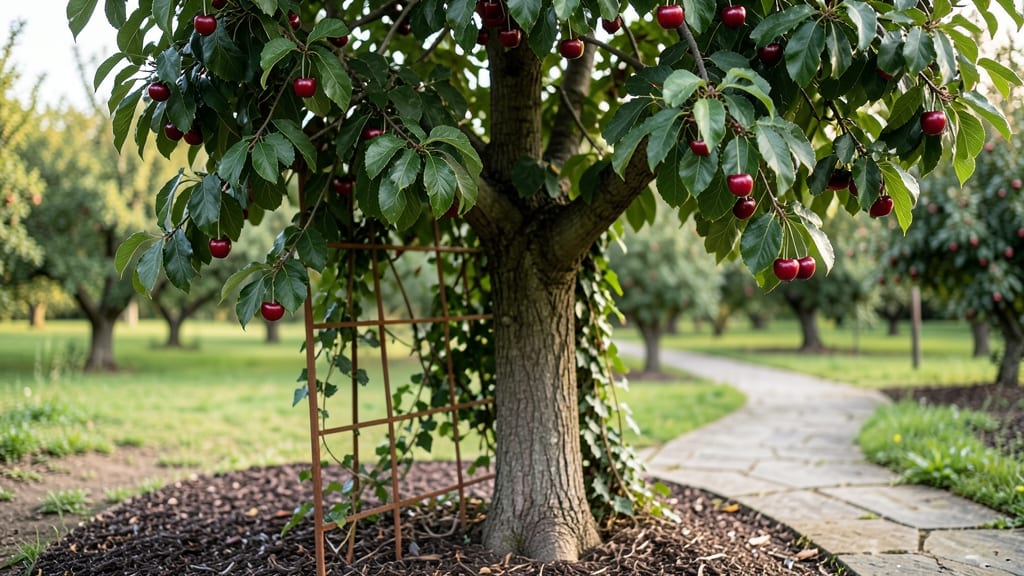
Cherry trees grow best in Zone 9 with heat-tolerant varieties like Stella® or Sweetheart®, planted in fall for strong root development. Opt for drought-resistant types and protect them from afternoon sun to avoid stress during hot growing seasons.
Zone 9's warm climate actually demands special cherry tree varieties that can handle both heat and humidity without wilting. 🌳 The right cultivars—like Stella® for sweet cherries or Sweetheart® for tart—are bred to resist fungal diseases common in subtropical areas, while their deep root systems help them access moisture during dry spells.
What sets these apart is their ability to fruit reliably even when temperatures hover above 90°F for extended periods.
Fall planting gives young trees time to establish roots before summer's intensity, while afternoon shade (especially from 2–4 PM) prevents leaf scorch.
I've found that mulching with 3–4 inches of organic material keeps soil temperatures stable—critical when Zone 9's mild winters can still bring occasional chilly snaps that stress unprotected trees.
💡 In This Article
- Best Cherry Tree Varieties for Zone 9 Climates
- Zone 9 Cherry Tree Planting and Care Schedule
Best cherry tree varieties for Zone 9 climates
Zone 9's subtropical climate creates unique challenges for cherry trees, where excessive heat and humidity can stress traditional varieties. The key is selecting cultivars bred for heat tolerance—like Stella® sweet cherries—which thrive in temperatures up to 105°F while maintaining fruit quality.
This variety's compact growth habit (typically 12–15 feet tall) makes it ideal for smaller gardens, and its early blooming cycle (around February–March) helps avoid late spring frosts that often damage fruit buds in Zone 9.
For tart cherries, Sweetheart® stands out with its remarkable disease resistance to brown rot and powdery mildew—two fungal threats that flourish in Zone 9's warm, damp conditions.
The tree's self-fertile nature means you only need one plant for fruit production, and its 18–20 foot mature height provides excellent shade while producing 2–3 pounds of tart cherries per tree annually.
Both varieties share another critical adaptation: their deep root systems that reach 3–5 feet below soil level, accessing moisture during dry spells common in southern climates.
What sets these Zone 9-specific varieties apart is their ability to fruit reliably even when summer temperatures exceed 95°F for weeks.
Traditional northern varieties often experience fruit drop or poor development under these conditions, but Stella® and Sweetheart® maintain consistent yields through a combination of heat-resistant blossoms and thicker fruit skins that resist cracking. The trade-off?
They produce slightly smaller cherries (1–1.2 inches diameter) compared to northern varieties, but the flavor remains concentrated and sweet.
Consider these additional factors when selecting: soil pH preferences (Zone 9 cherries thrive in 6.0–6.5 range), pollination requirements (Sweetheart® is self-fertile but benefits from cross-pollination), and fruit maturity timing.
Stella® ripens in late May–early June, while Sweetheart® comes ready in mid-June—critical timing for avoiding bird predation during peak harvest seasons in southern California or Florida.
For advanced growers, consider the Lapins® series of tart cherries, which offer even better heat tolerance with 20% larger fruit size. However, these require 2–3 trees for cross-pollination and need consistent 1.5–2 inches of water weekly during fruit development.
The choice ultimately depends on whether you prioritize ease of care (Stella®) or maximum yield potential (Lapins®).
One common misconception is that all cherry trees need cold winters to set fruit. In reality, Zone 9 varieties trigger flowering through temperature fluctuations rather than cold dormancy periods.
This adaptation allows them to produce fruit annually without the 200–400 chill hours required by northern varieties, making them perfect for Florida's 50–100 chill hour winters.