
Container Gardens
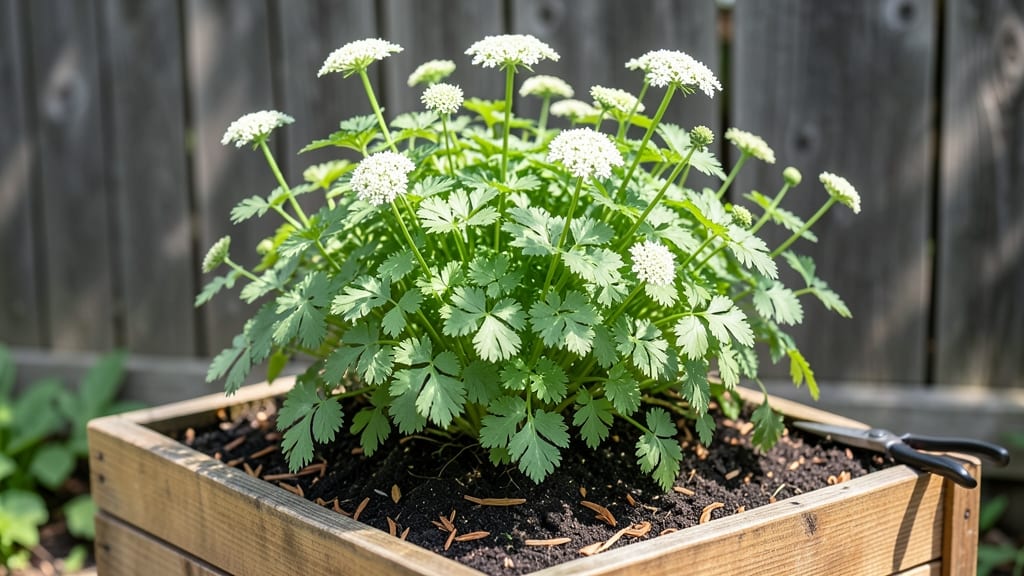
Growing cilantro through its ideal season is all about timing—plant too early or too late, and you’ll end up with bitter, bolted leaves before you even harvest.
If you’ve ever pulled up a sad, leggy 🌿 patch of cilantro only to watch it flower and go to seed in weeks, you’re not alone. The problem isn’t your green thumb—it’s the clock.
Cilantro thrives in cool weather but wilts under summer heat, making the right planting window the difference between a bountiful harvest and a wasted effort.
In cooler climates like USDA Zone 6a, cilantro loves early spring or late summer, while warmer regions can stretch the season with shade and succession plantings.
Below, I’ll break down the exact months to plant by zone, plus how to trick cilantro into lasting longer when the heat (or frost) rolls in.
You’ll learn how to avoid the three biggest mistakes that ruin cilantro’s growing season, from overwatering to ignoring soil prep, and when to fertilize for maximum flavor. By the end, you’ll have a foolproof plan to enjoy fresh cilantro for months, not just weeks.
Cilantro planting months by USDA climate zone (with exact dates)
Cilantro thrives in cool weather and bolts (goes to seed) when temperatures rise above 80°F (27°C). Your USDA climate zone determines the best planting windows—whether it's spring, fall, or even winter in mild regions.
Let's break down the exact months for each zone to maximize your harvest and avoid bitter, bolted plants.
Key to success is timing: Plant cilantro when daytime highs stay below 75°F (24°C) and nights dip below 60°F (15°C). This means spring and fall are your best bets in most zones, while winter works in warm climates.
Let’s dive into the zone-specific calendar that’ll keep your cilantro lush and flavorful all year.
In USDA Zones 3-5, where winters are harsh, focus on spring (April-May) and fall (September-October) plantings. Start seeds indoors 6-8 weeks before the last frost date to give seedlings a head start. Use row covers to extend the season and protect tender plants from late frosts.
For Zones 6-7, you’ve got flexibility with two clear windows: early spring (March-April) and late summer (August-September). These zones often experience hot summers, so avoid planting in June or July—your cilantro will bolt faster than you can say "salsa."
Instead, try succession planting every 3 weeks to keep a steady supply.
Gardeners in Zones 8-9 can enjoy cilantro year-round with winter and fall plantings. The key here is shade cloth during summer months to keep temperatures below 80°F (27°C). If you’re in a desert climate, consider container gardening so you can move pots to shaded areas when needed.
If you live in Zones 10-11, cilantro is a winter crop. Plant in January-February and again in October-November to take advantage of cooler temperatures. Use partial shade (30-50%) to prevent bolting, and opt for dwarf varieties like 'Calypso' or 'Santo' for better heat tolerance.
No matter your zone, soil prep is critical. Cilantro prefers well-draining soil with a pH of 6.2-6.8. Amend your soil with compost or aged manure before planting, and mulch with straw to retain moisture and regulate soil temperature.
This simple step can mean the difference between lush cilantro and bitter, bolted plants.
Pro tip: Always harvest cilantro regularly—
How to extend your cilantro growing season in hot or cold climates
Cilantro thrives in cool weather but struggles when temperatures rise above 80°F or drop below 40°F. The key to year-round harvests? Strategic timing and protective tools tailored to your climate.
In hot zones, shade cloth and succession planting keep plants happy, while cold regions benefit from row covers and cold frames to shield tender leaves from frost.
I’ve grown cilantro in Zone 5 winters and Zone 9 summers—both require different tricks. For example, in my hot desert garden, I use 30% shade cloth during peak afternoons, while my northern neighbors swear by floating row covers to extend fall harvests past the first frost.
Let’s break down the best solutions for your climate extremes.
Hot Climate Solutions
- Shade cloth blocks 50-70% sunlight to prevent bolting
- Succession planting every 2-3 weeks ensures continuous harvests
- Morning watering reduces evaporation and fungal risk
- Shade cloth can attract pests like aphids if not cleaned regularly
- Succession planting requires frequent sowing and space management
- Overwatering in heat leads to root rot or leaf burn
Cold Climate Solutions
- Row covers add 5-10°F protection against light frosts
- Cold frames create microclimates for winter harvests
- Mulching with straw preserves soil warmth and moisture
- Row covers can trap humidity, causing mold if not ventilated
- Cold frames require daily monitoring to prevent overheating
- Mulch may delay spring planting if not removed on time
For hot climates, start seeds indoors 4-6 weeks before the last frost, then transplant outdoors in late afternoon to reduce transplant shock. Use drip irrigation to keep roots cool—my Zone 10 garden cilantro bolts within days without it.
In cold zones, plant cilantro 6-8 weeks before the first expected frost for a fall harvest, or use container growing to move pots indoors before winter.
Another trick I’ve used is interplanting cilantro with slow-growing crops like carrots or lettuce. The taller companions provide light shade during summer, while the cilantro’s shallow roots don’t compete for nutrients. This works especially well in containers, where you can rotate pots to optimize sunlight exposure throughout the day.
Remember, cilantro’s flavor peaks when grown in cool, consistent temperatures. If you’re in a transition zone (like Zone 7-8), focus on fall and spring plantings and avoid summer heat. For example, my Zone 7 garden yields the most cilantro from March-April and September-October, with minimal bolting.
Test your soil’s pH (6.2-6.8) and add compost before planting—cilantro hates compacted or alkaline soil. In extreme heat, I’ve had success with ‘Santo’ or ‘Calypso’ varieties, which are slightly more heat-tolerant than standard types.
Pair these strategies with regular harvesting (never let plants flower), and you’ll enjoy fresh cilantro nearly year-round.