
Blooming
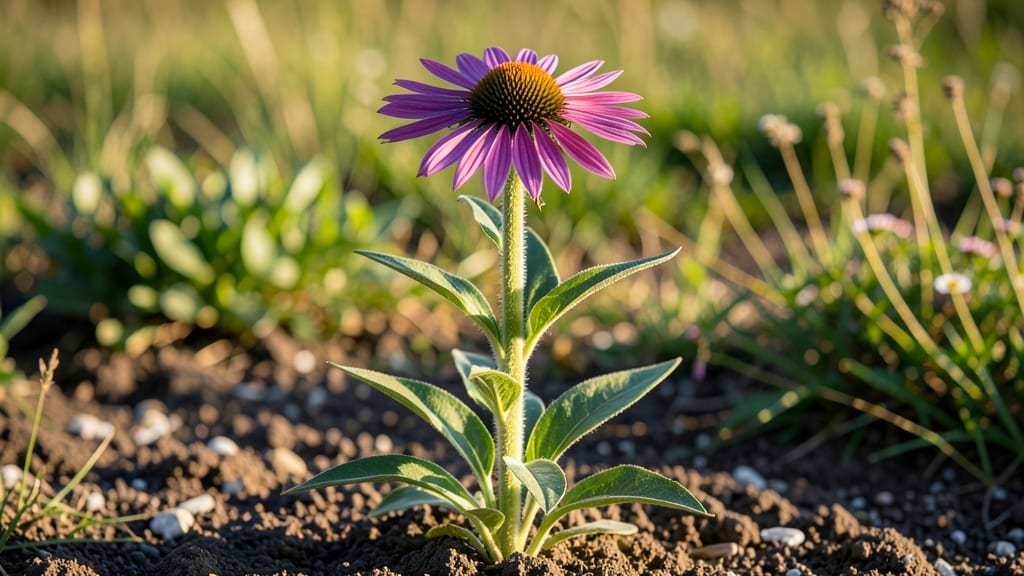
The vibrant coneflower bloom season stretches from late spring through early fall, transforming your garden into a pollinator paradise when timed right.
If you’ve ever dreamed of a vibrant garden filled with purple, pink, and white blooms that attract butterflies and hummingbirds, timing your coneflower planting just right is key—because these hardy perennials don’t bloom all year.
In USDA Zone 6a, where many gardeners live, expect the first flowers to appear in June, with peak color lasting through August. But cooler northern zones may see blooms start a month later, while southern gardens can enjoy earlier—and sometimes second—florals.
Here’s how to predict your coneflower bloom season, extend the show with simple care tips, and pair them with complementary plants for a garden that stays stunning from spring to fall.
Coneflower bloom season by USDA plant hardiness zones
Timing your coneflower blooms depends heavily on your USDA hardiness zone. These drought-tolerant perennials thrive in zones 3 through 9, but their bloom windows shift dramatically from northern climates to southern regions.
Understanding these variations helps you plan for continuous color and attract pollinators like butterflies and bees throughout the growing season.
In cooler northern zones (3-5), coneflowers often start blooming in late June and continue through September, while warmer southern zones (8-9) may see flowers as early as April, stretching into November.
Even within the same zone, microclimates and altitude can shift bloom times by 2-4 weeks, so local observations matter.
🌼
In zone 3-4, where winters are harsh, coneflowers often enter dormancy earlier. Planting early-blooming varieties like 'White Swan' ensures you catch those June blooms before frost threatens. Meanwhile, zone 5-6 gardeners enjoy a 3-month bloom window, making coneflowers a reliable pollinator magnet from June through September.
For southern zones (7-9), the real magic happens with extended seasons. In zone 8, you can plant two batches: one in early spring for April blooms and another in mid-summer to rebloom in fall.
In zone 9, some varieties like 'Magnus' continue flowering until December, provided they receive consistent moisture.
🌿
Regional variations also play a role. In mountainous zones (e.g., Colorado's zone 5), coneflowers may bloom 2 weeks later than their lowland counterparts due to cooler temperatures.
Conversely, coastal zones (e.g., California's zone 9) often see earlier blooms thanks to milder winters. Always check your local frost dates and adjust planting times accordingly.
To maximize your coneflower display, pair early bloomers like 'Green Envy' with late-season varieties such as 'Hot Papaya'. This creates a continuous bloom sequence from June through November, regardless of your zone. Just remember: deadheading spent blooms and providing well-draining soil are key to encouraging reblooming.
🪴
For container gardening in zones 5-9, choose compact varieties like 'Sombrero Mexicano', which blooms
How to extend coneflower bloom time with simple gardening hacks
Want your coneflowers to put on a show from early summer to first frost? With the right care, you can stretch their bloom season by weeks—even months! The secret lies in a few simple gardening hacks that encourage reblooming and keep your plants healthy.
Let’s dive into the easiest ways to keep your Echinacea looking fresh all season long.
First, deadheading is your best friend. Removing spent blooms redirects the plant’s energy from seed production to growing new flowers. Grab your pruners and snip off the faded heads just above the next set of leaves.
This trick works especially well for purple coneflowers and can extend their season by 4-6 weeks if done consistently.
- 🌱 Deadhead regularly – Snip off spent blooms to encourage reblooming.
- 💧 Water deeply – 1-2 inches per week, especially during drought.
- 🌿 Fertilize lightly – Use a balanced 10-10-10 fertilizer in early spring and summer.
- ✂️ Prune in early spring – Cut back dead foliage to promote new growth.
- 🌺 Plant companions – Pair with bee balm or black-eyed Susans for continuous color.
Next, focus on soil health. Coneflowers thrive in well-draining soil rich in organic matter. Amend your garden beds with compost or aged manure in early spring to provide nutrients without overfeeding.
Over-fertilizing can lead to leafy growth at the expense of blooms, so stick to a light feeding schedule—just once in spring and again in midsummer.
Don’t forget about watering schedules. While coneflowers are drought-tolerant, they still need consistent moisture to produce vibrant blooms. Water deeply once a week, especially during hot, dry spells.
Early morning watering helps prevent fungal diseases like powdery mildew, which can weaken your plants and shorten their bloom time.
For a longer bloom season, consider planting companion plants that attract pollinators. Bee balm, black-eyed Susans, and salvia not only create a stunning visual display but also encourage bees and butterflies to visit your coneflowers.
More pollinators mean more cross-pollination, which can lead to stronger, healthier blooms.
Finally, create a seasonal maintenance calendar to keep your coneflowers in top shape. Prune back dead stems in early spring, fertilize lightly in May and July, and mulch around the base to retain moisture.
By following these steps, your coneflowers will reward you with continuous color from June through October—or even later in warmer climates!