
Propagation
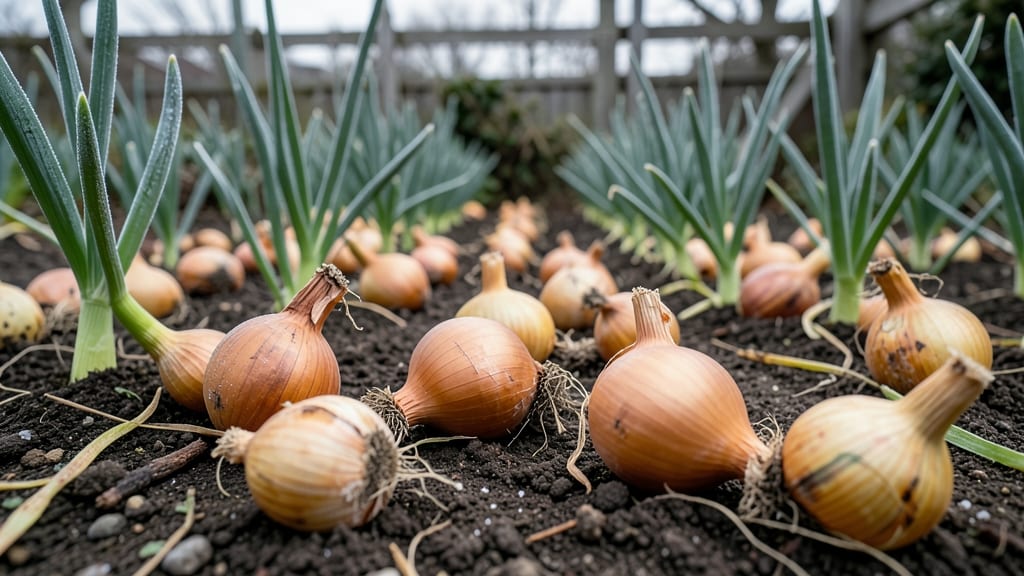
Cold climates don’t have to limit your harvest. These 10 cool-season crops flourish in chilly weather, offering fresh produce when summer crops fade—perfect for extending your growing season and maximizing garden productivity.
Winter Spinach Varieties for Crisp Harvests
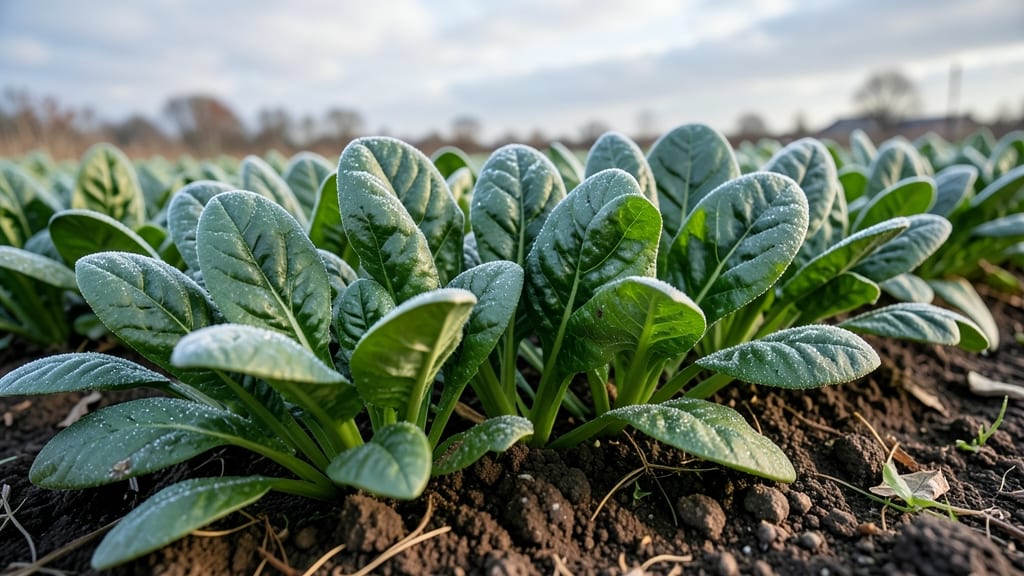
When most gardeners pack up their tools for winter, 'Bloomsdale Long Standing' spinach is just getting started—this cold-hardy variety thrives in temperatures below 40°F, delivering tender, nutrient-packed leaves even after light frost. Unlike heat-sensitive varieties, it won’t bolt prematurely, giving you a reliable harvest when few other greens are available.
Sow seeds directly in well-draining soil 4-6 weeks before your first frost, spacing them 1-2 inches apart in rows 12 inches apart. For continuous harvests, succession plant every 2-3 weeks through early spring. This variety’s slow-bolting nature makes it perfect for early spring salads, and its high iron and vitamin K content ensures your greens are as nutritious as they are crisp.
Ideal for urban gardeners with limited space or beginners eager to extend their harvest season, this spinach variety proves that winter doesn’t have to mean empty salad bowls. 🌱
Kale for Year-Round Resilience
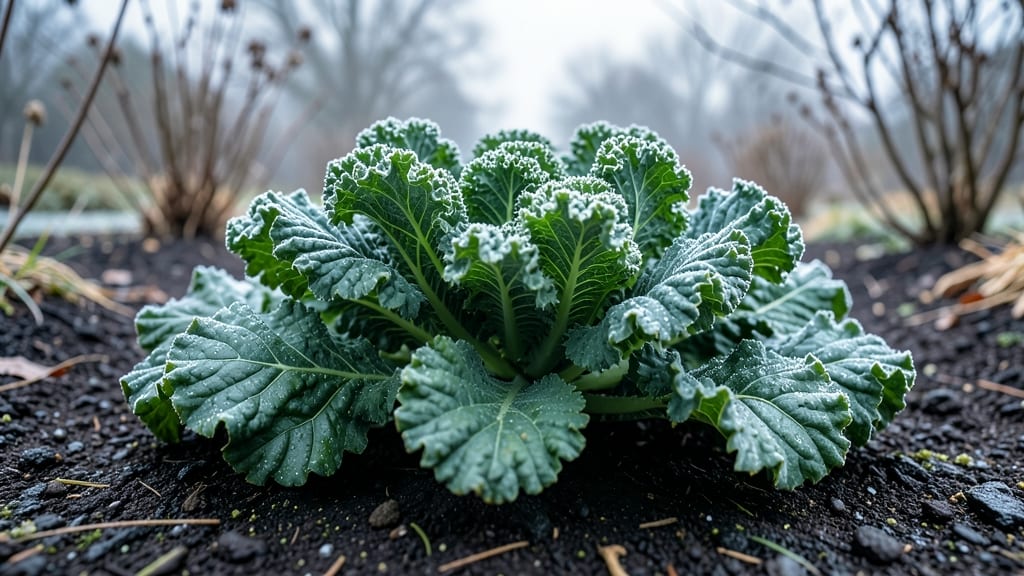
If you’re tired of winter gardens that fizzle out with the first frost, curly kale is your secret weapon. This powerhouse thrives in temperatures as low as 20°F, making it one of the most resilient cool-season crops—perfect for gardeners who refuse to let winter slow them down.
Choose 'Winterbor' for its cold-hardy, frilly leaves or 'Lacinato' (Dinosaur Kale) for a more tender texture. The key to its success? Plant in well-draining soil with full sun to partial shade, and watch it flourish even when other greens bolt. A light frost actually sweetens its flavor, turning its naturally bitter edge into a delicious, mellow crunch—ideal for roasting, sautéing, or tossing raw into salads.
This crop is especially great for urban gardeners or those with small spaces, as it grows well in containers. Plus, its long harvest window means you’ll enjoy fresh greens from early fall through late winter. 🌱
Radishes That Grow in 30 Days
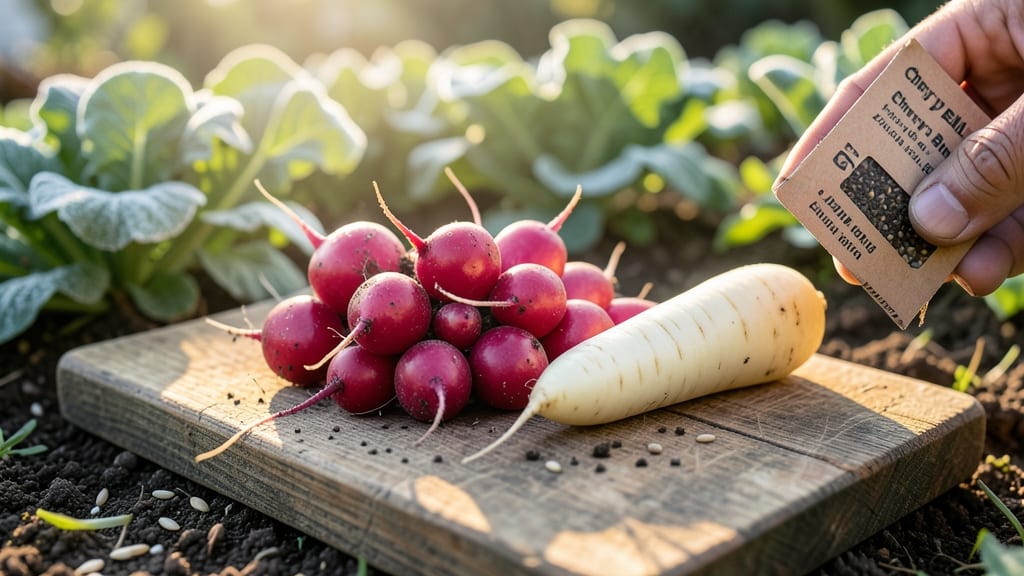
Need a fast, satisfying harvest before summer even arrives? Radishes like 'Cherry Belle' or 'Daikon' deliver in just 30 days, making them the ultimate cool-season speedsters. Their bold flavors and quick growth make them ideal for impatient gardeners or those with short growing seasons.
Sow seeds directly in cool soil (50–70°F) as soon as the last frost passes, or even in early spring for an early harvest. These varieties tolerate light frost, so you can plant them up to 4–6 weeks before your first frost date. For containers, choose Daikon radishes—their long, slender shape thrives in deep pots, while 'Cherry Belle' works well in small spaces.
Radishes are perfect for beginners, urban gardeners, or anyone craving instant gratification. Their peppery crunch adds freshness to salads, sandwiches, or even winter soups when other crops are scarce. 🌱
Carrots for Cold-Soil Success
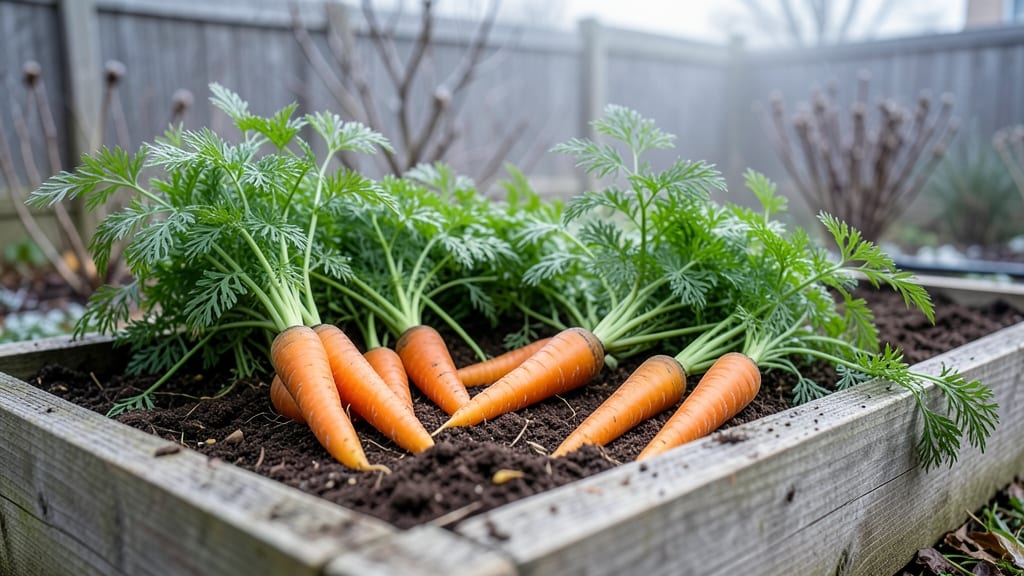
Forget waiting for summer to grow sweet, crisp carrots—'Nantes' and 'Danvers' varieties actually improve in flavor after frost, making them perfect for cool-season gardens. These slow-bolting types thrive in soil temperatures between 40-70°F, giving you a head start in early spring or late fall plantings.
Sow seeds directly in loose, stone-free soil every 2-3 weeks from early spring to early summer for continuous harvests. Thin seedlings to 2-3 inches apart to prevent overcrowding, and consider using row covers to extend the season. Once harvested, store them in a root cellar (or even a cool basement) for up to 6 months—their natural sugars concentrate over time, making them sweeter than summer-grown varieties.
This makes them ideal for gardeners in short-season climates or those who want to enjoy homegrown carrots year-round without the hassle of summer heat. 🌱
Broccoli That Resists Bolting
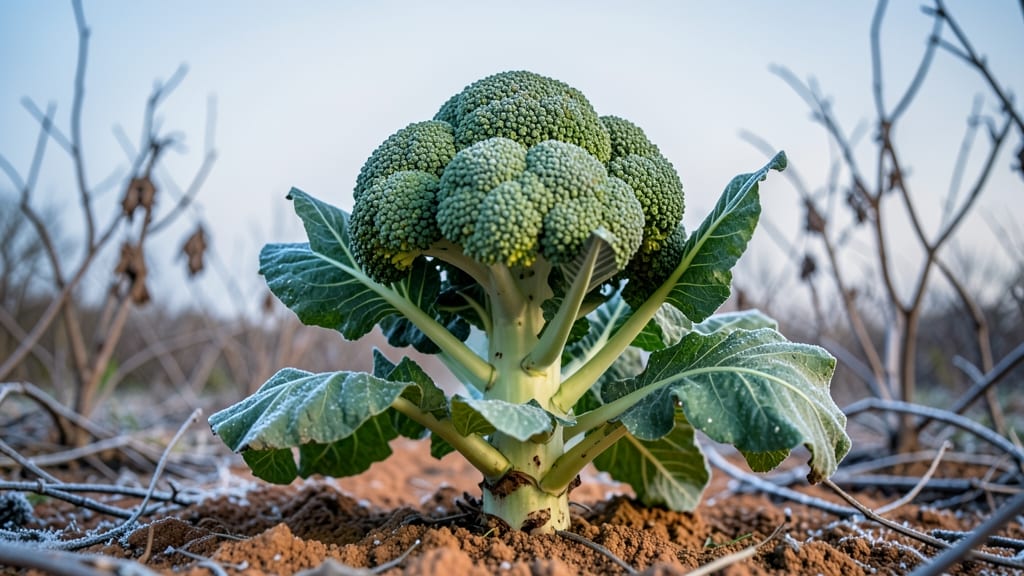
When your garden feels like it’s taking a winter nap, Calabrese or De Cicco broccoli stays hard at work—producing dense, flavorful heads even when temperatures dip to 32°F. This cold-tolerant variety is a game-changer for gardeners in short growing seasons, delivering nutrient-rich harvests when other crops retreat.
These varieties thrive in cool soil (50–70°F) and can even handle light frosts without bolting, making them ideal for early spring or late fall plantings. For best results, space plants 18–24 inches apart and provide 1–2 inches of water weekly. Side-dress with compost mid-season to boost flavor and yield. Harvest heads when tight and dark green for peak nutrition.
Perfect for gardeners who want year-round harvests without fuss, this broccoli adapts to containers or raised beds, making it a versatile choice for small spaces or urban gardens. 🌱
Peas for Early Spring Harvests
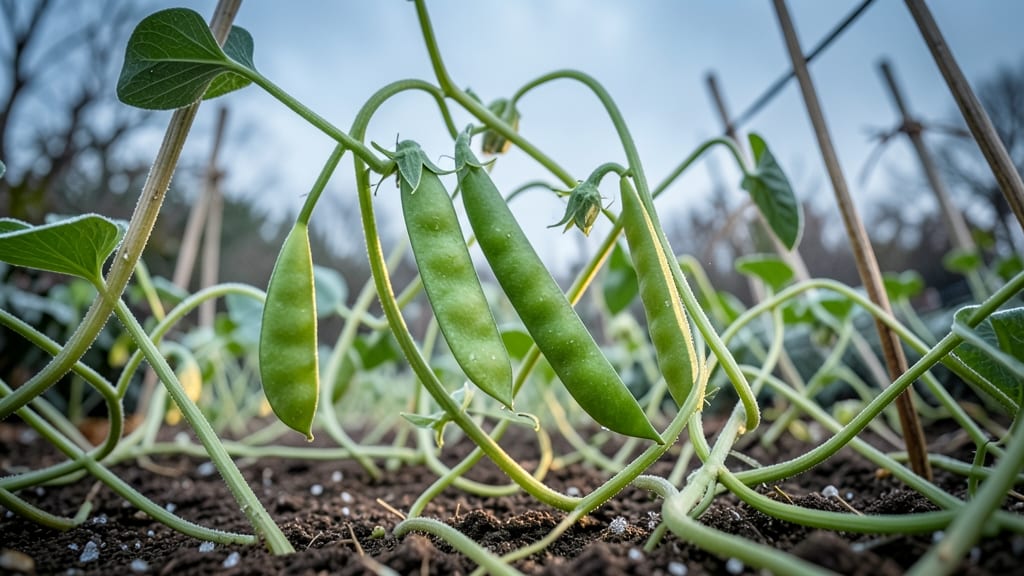
Skip the wait for summer harvests—sugar snap and snow peas are your early spring superstars, ready to climb and produce in 45–60 days from seed. These cool-weather champions don’t just tolerate frost; they thrive in it, offering crisp pods perfect for snacking straight from the vine or tossing into stir-fries.
What makes them unique? Peas fix nitrogen in the soil, enriching it for future crops while you enjoy their sweet rewards. Plant 'Sugar Sprint' (sugar snaps) or 'Oregon Sugar Pod' (snow peas) in well-drained soil as soon as the ground is workable, and provide a trellis for vertical growth. Their compact size makes them ideal for small spaces or containers, and kids love picking them—turn harvest time into a fun, edible activity.
Urban gardeners and families will appreciate how peas deliver quick gratification without requiring much space or fuss. Just add water, sunlight, and a little patience for a harvest that’s both satisfying and sustainable. 🌱
Cabbage for Long-Term Storage
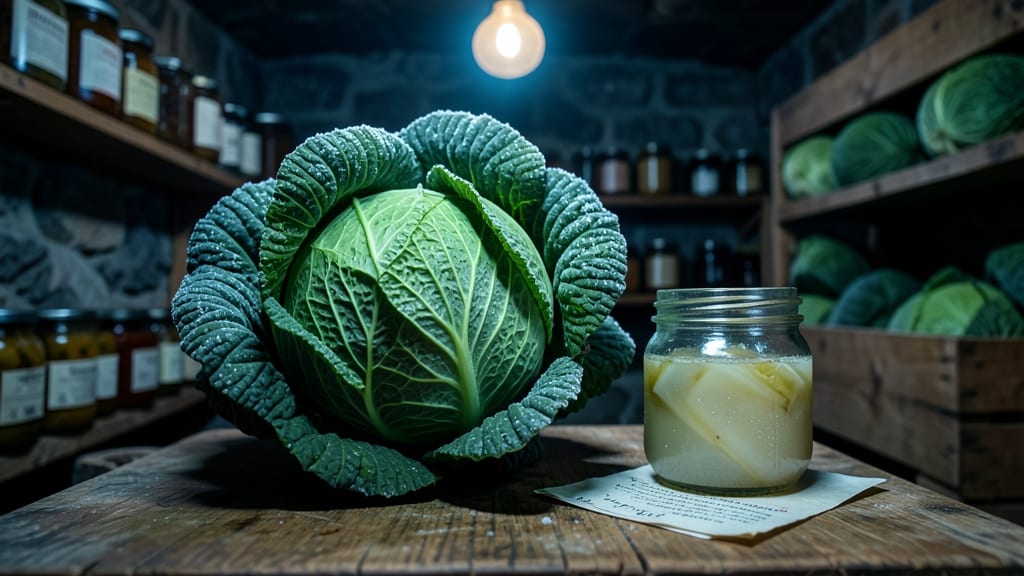
If you want a cool-season crop that keeps giving long after harvest, 'January King' cabbage is your secret weapon. This heirloom variety stores for months in cool conditions—far outlasting most cabbages—while resisting rot even in frost, making it perfect for winter pantries or fermentation projects.
Plant seeds in early spring or late summer for a fall harvest, spacing heads 18-24 inches apart to allow room for those dense, 5-8 pound heads. After harvesting, cure the cabbages in a dry, dark place (50-60°F) for 1-2 weeks to extend storage life. The flavor improves with age, and its thick leaves make it ideal for braising, sauerkraut, or crisp slaws—no wilting or spoilage in sight.
This is the ultimate storage crop for homesteaders, fermenters, or anyone tired of summer cabbages bolting. With minimal effort, you’ll have fresh cabbage for year-round meals. 💚
Brussels Sprouts That Sweeten in Cold
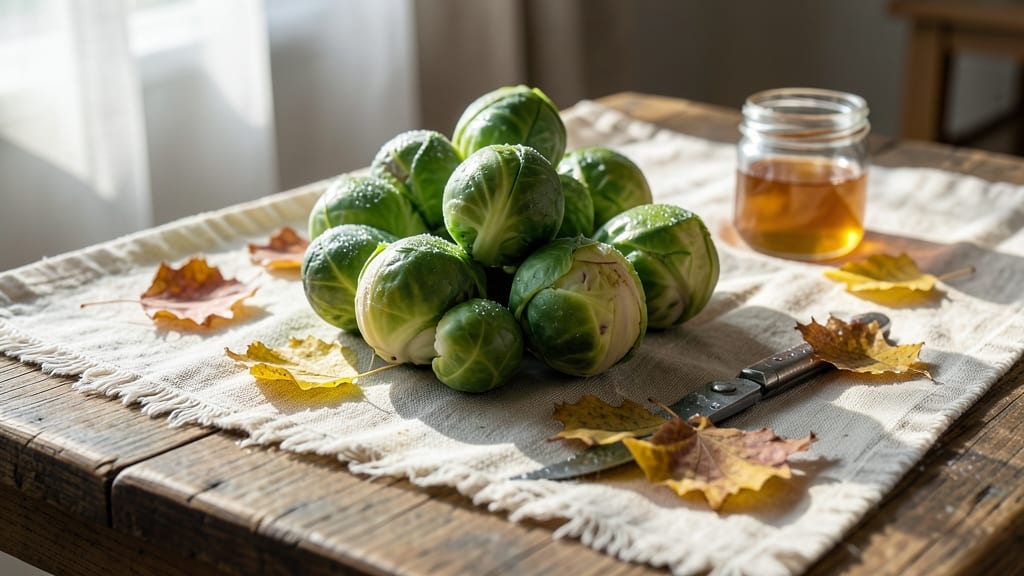
If you’ve ever wondered why Brussels sprouts taste better after a frost, the answer lies in the 'Long Island Improved' variety—a slow-to-mature gem that gets sweeter and more flavorful as temperatures drop. This isn’t just luck; it’s science, and it’s perfect for gardeners who love bold flavors without the fuss of large plants.
This compact variety thrives in cool-season conditions (40–60°F) and matures in about 90 days, giving you time to enjoy its rich taste. Its small stature makes it ideal for containers or small gardens, where space is limited but flavor isn’t. After a light frost, the starches convert to sugars, creating that caramelized sweetness you crave when roasted or sautéed.
Urban gardeners and beginners will appreciate how easy it is to grow—just plant seeds 1 inch deep and 2 feet apart, and watch them transform your garden into a flavor powerhouse. 🌱
Lettuce for Cut-and-Come-Again Harvests
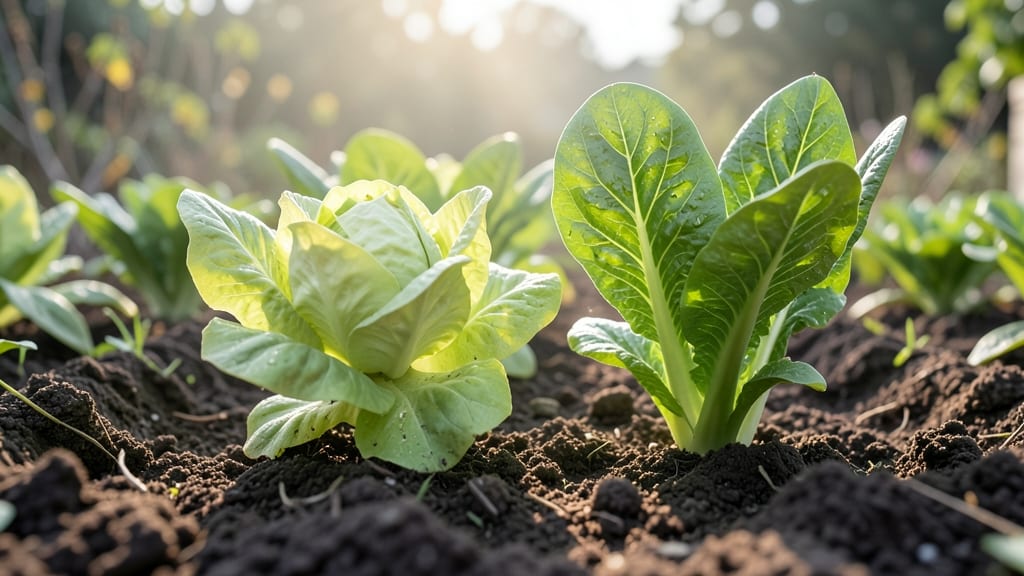
Tired of buying store-bought lettuce that wilt within days? Butterhead ('Buttercrunch') and romaine ('Parris Island') lettuce offer a game-changing solution—these varieties regrow after cutting, giving you a continuous harvest for weeks.
Plant seeds in well-draining soil when temperatures hover between 50–60°F, and keep them consistently moist. After harvesting the outer leaves, simply trim just above the base—new growth will sprout within days. This method works perfectly for salad greens, sandwich toppings, or gift baskets, reducing waste and saving money.
Urban gardeners and beginners will love this low-maintenance approach, as it eliminates the need for replanting while keeping your kitchen stocked with fresh, homegrown greens all season. 🌿
Onions for Overwintering Success

Skip the spring rush—Storage Yellow and Walla Walla onions are designed to survive winter's chill, bulbing beautifully when temperatures rise. These varieties thrive in Zone 3-8 and can even overwinter in mild climates, giving you an early harvest edge.
Plant sets in fall for spring harvests or direct-seed in early spring. Their papery skins protect against rot, while mesh bags keep them dry for year-round storage in cool, dark spaces. Perfect for gardeners who want to avoid replanting in spring or need onions for caramelizing, pickling, or fresh eating.
Ideal for small spaces or containers, these onions offer dual-season benefits—plant once, harvest twice. 🌱