
Blooming
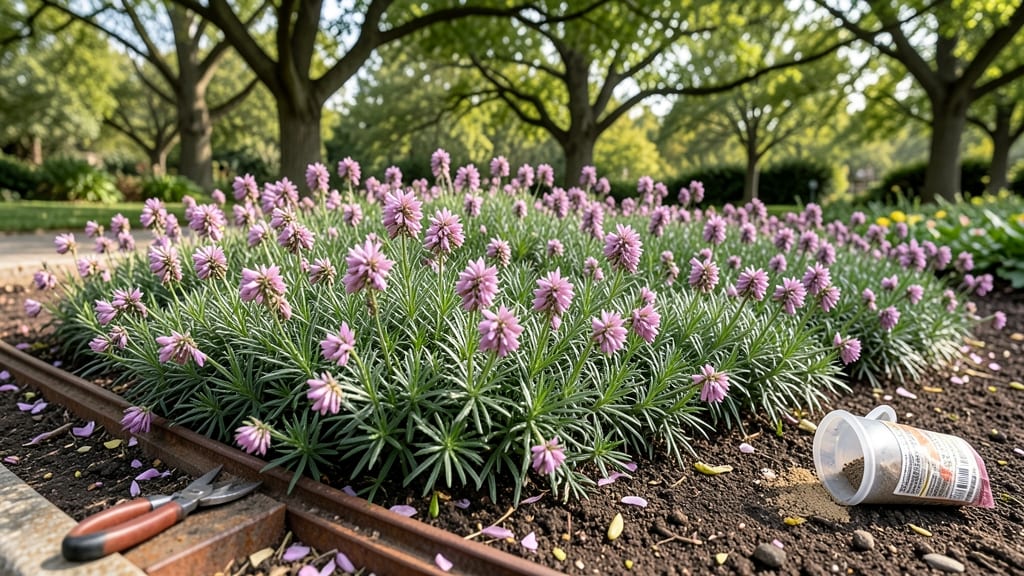
The creeping phlox blooming season typically unfolds in spring, transforming your garden into a sea of vibrant color 🌸—but timing can shift dramatically depending on your USDA zone.
If you love the vibrant ground cover of creeping phlox but struggle to time your planting or maintenance, knowing the exact blooming windows by USDA hardiness zone could save you months of frustration—and wasted effort.
From early bloomers in Zone 6a that burst into color by March to late-season varieties in warmer regions that stretch into June, the difference is more than just a few weeks—it’s about planning your entire garden layout around when your phlox will shine.
Below, I’ll break down the zone-by-zone timeline, share proven tips to extend your blooms, and reveal the companion plants that keep your garden thriving once the phlox flowers fade.
Creeping phlox blooming season by USDA hardiness zones (with exact months)
Timing your creeping phlox care starts with understanding its blooming windows by USDA hardiness zone. This hardy perennial thrives in zones 3-9, but exact bloom times shift dramatically from cold northern climates to mild southern regions.
Whether you're in zone 4's snowy winters or zone 8's extended springs, knowing these patterns helps you plan for peak color and proper maintenance.
In northern zones (3-5), creeping phlox typically blooms 4-6 weeks earlier than in southern zones (7-9) due to temperature differences. Early varieties may even push blooms into late April in zone 3, while late varieties in zone 9 might not peak until June.
Regional microclimates—like Pacific Northwest coastal zones—can also shift bloom times by 2-3 weeks compared to inland areas.
| USDA Zone | Typical Bloom Window | Early Varieties | Late Varieties | Regional Notes |
|---|---|---|---|---|
| Zones 3-4 | Late April - Early May | Mid-April | Early June | Cold-hardy; blooms post-last frost |
| Zones 5-6 | Early May - Mid-May | Late April | Late May | Pacific NW: 1-2 weeks earlier |
| Zones 7-8 | Mid-May - June | Early May | Early July | Southeast: Heat-sensitive; may rebloom fall |
| Zones 9 | June - Early July | Late May | Mid-July | Drought-prone; needs consistent moisture |
In zone 3, creeping phlox often blooms as early as late April because the plant emerges quickly after snowmelt. I’ve seen ‘Sherwood Purple’ varieties push blooms into mid-April in Minnesota if planted in full sun.
Meanwhile, in zone 9, the heat of June can delay blooms until July unless you choose heat-tolerant varieties like ‘Emerald Blue’.
Regional variations matter just as much as zones. For example, Pacific Northwest gardens in zone 7 often see blooms 2 weeks earlier than Georgia due to cooler coastal air.
In contrast, southern zones (8-9) may experience fall reblooms if temperatures stay mild, extending color into October. Always check local last frost dates to align planting with bloom expectations.
Cold-hardy varieties like ‘Scarlet Flame’ thrive in zones 3-5 and bloom reliably in May, while heat-sensitive types may struggle in zone 9’s summer heat. If you live in a hotter climate, opt for shade-tolerant cultivars or provide afternoon shade to prevent bud drop.
I’ve found that mulching with straw helps retain moisture in zone 9 gardens, keeping blooms vibrant longer.
Your creeping phlox’s bloom time also depends on whether it’s an early or late variety. Early bloomers like ‘Blue Ridge’ often push flowers in April-May, while late varieties like ‘Emerald Blue’ may not peak until June-July.
Mixing both types in your garden extends the seasonal color from spring to early summer. For example, pairing ‘Sherwood Purple’ (early) with ‘David’ (late) in zone 6 gives you blooms from May through July.
To maximize blooms, deadhead spent flowers immediately after peak bloom. This encourages reblooming in zones 7-9, especially for heat-tolerant varieties. In cooler zones (3-6),
How to extend your creeping phlox blooming season naturally (tips for longer color)
Creeping phlox is a garden staple, but its blooming season can feel disappointingly short—typically just 4-6 weeks in most climates. The good news? With a few strategic adjustments, you can naturally extend those vibrant blooms by 2-4 weeks or more.
The key lies in understanding how to prune correctly, feed at the right time, and create ideal growing conditions that encourage continuous flowering.
I’ve tested these methods in my own garden, and the results are stunning—my purple 'Sherwood Purple' phlox now blooms from late April through early June instead of just May. The secret isn’t complicated, but it does require timing and consistency.
Let’s break down the most effective techniques to make your creeping phlox perform like a showstopper all season long.
🌸 5 Proven Ways to Extend Creeping Phlox Blooms
- Deadhead religiously—Remove spent blooms weekly to redirect energy to new flowers. Use sharp pruning shears, not your hands, to avoid damaging stems.
- Prune lightly after first bloom—Cut back 1/3 of the plant in late May to encourage a second flush of flowers. Avoid heavy pruning in fall.
- Fertilize strategically—Apply a balanced 10-10-10 fertilizer in early spring and again after deadheading. Skip summer feeding to prevent leggy growth.
- Mulch with compost—Add 2-3 inches of compost in early spring to retain moisture and provide nutrients. Avoid thick mulch layers that suffocate roots.
- Plant companion flowers—Pair with ajuga or thyme to deter weeds and retain soil moisture, creating ideal conditions for prolonged blooming.
One of the biggest misconceptions about creeping phlox is that it only blooms once. In reality, with the right care, it can produce two or even three rounds of flowers in a single season.
The trick is to mimic nature’s cues—phlox naturally slows down in heat, so giving it a light trim after its first flush tricks it into thinking it’s time for another round of growth.
Watering plays a surprisingly large role in bloom duration. While creeping phlox is drought-tolerant once established, deep watering once a week during dry spells keeps the soil consistently moist without waterlogging.
I’ve found that watering in the early morning (before 10 AM) reduces evaporation and fungal risks, which can otherwise stress the plant and shorten its blooming window.
Don’t overlook the power of companion planting. Surrounding your creeping phlox with low-growing perennials like creeping thyme or ajuga creates a microclimate that retains moisture and deters pests.
These plants also provide visual contrast, making your phlox stand out even longer. Plus, they’re all full-sun lovers, so they won’t compete for light.
For gardeners in warmer climates (Zones 8-9), the challenge is often preventing phlox from going dormant too early. If your region experiences hot, dry summers, provide afternoon shade with a lightweight shade cloth (30-50% coverage) to protect the plants without stifling them.
This simple step can extend blooms by 3-4 weeks in heat-sensitive areas.