
Vegetables
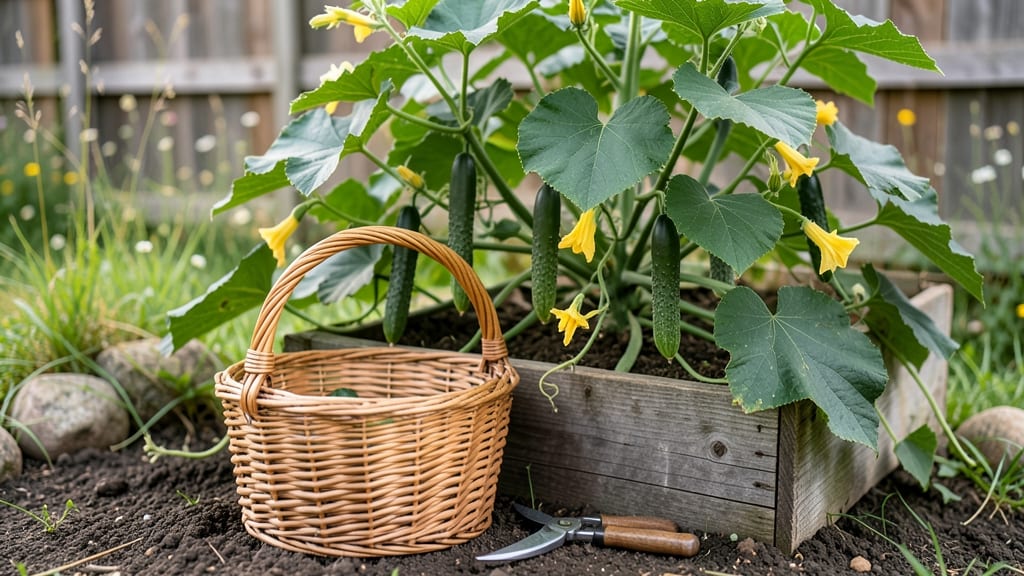
Cucumbers thrive during their ideal season months—typically from late spring through summer—when soil stays warm and days stretch long 🥒.
Picture this: you’re biting into a crisp, homegrown cucumber in July, knowing you timed the planting just right. Miss the window, though, and you’ll end up with bitter, underwhelming fruit—or worse, nothing at all. That’s why nailing the right timing matters more than you think.
Whether you’re in USDA Zone 6a** or a warmer climate, the best cucumber season months shift based on your frost dates and heat tolerance. In cooler regions, planting too early means stunted growth; too late, and the heat arrives before harvest.
This guide breaks down the exact months to plant and harvest by zone, plus tricks to stretch your season.
You’ll learn how to align your planting with soil temperatures, adjust for regional quirks, and even coax extra weeks of harvest with simple hacks. Ready to grow cucumbers like a pro? Let’s dive in.
Best cucumber planting months by USDA Zone (Zone 1-14 guide)
Cucumbers thrive in warm soil and air, but the best cucumber planting months vary dramatically depending on your USDA hardiness zone. In cool climates (zones 1-6), you’ll plant early spring or late summer for fall harvests, while warm zones (7-14) can grow cucumbers year-round with proper care.
The key is waiting until soil temperatures hit 55°F+—cold soil slows germination and invites rot.
Frost is cucumbers’ worst enemy—even a light 32°F frost can kill tender vines overnight. That’s why gardeners in zones 1-5 rely on season extenders like row covers or cold frames.
Meanwhile, southern zones (9-14) face heat stress if planted too early, so timing matters just as much in hot climates. Let’s break down the exact planting windows for every zone.
🌱 Pro Tip: Always test soil temperature with a soil thermometer—cucumbers won’t sprout until it’s 60°F+ for 10+ days. A black plastic mulch can warm cold soil by 5-10°F faster than bare earth.
In northern zones (1-5), cucumbers are a summer crop with a short window—plant too early, and frost zaps your seedlings. I’ve seen gardeners in Zone 3 lose entire plantings by waiting until June, only to have vines bolt in August’s heat.
The solution? Start seeds indoors 4-6 weeks before your last frost date, then transplant after Memorial Day.
For southern gardeners (zones 9-14), the challenge is heat avoidance. Cucumbers wilt in 90°F+ temps, so aim for spring (Feb-March) or fall (Sept-Oct) plantings. Varieties like ‘Straight Eight’ or ‘Marketmore’ handle heat better than ‘Lemon Cucumber’, which needs cooler weather.
A 50% shade cloth can save your crop during peak summer.
One mistake I see often? Planting cucumbers too close to winter squash—they compete for nutrients and attract the same pests. Instead, pair them with bush beans or radishes, which improve soil structure. And always trellis your vines—it improves air circulation, reducing powdery mildew risks by 40%.
🌿 Zone-Specific Hack: In Zone 6, I plant a second crop in July for a fall harvest. Use heat-tolerant seeds like ‘Armenian’ cucumbers and mulch heavily to retain moisture. By September, you’ll have crisp cucumbers just as summer’s end brings cooler nights.
Remember: cucumber season
Cucumber harvest season timeline: when to expect peak yields (by variety)
Cucumbers are one of the fastest-growing vegetables in your garden, but their harvest window varies dramatically by variety type. Whether you're growing slicing cucumbers for salads or pickling varieties for homemade relish, timing is critical.
Most cucumbers reach maturity between 45-70 days after planting, but heirloom varieties can stretch that timeline even longer.
Understanding these harvest season months helps you plan for continuous production. For example, bush cucumbers like 'Bush Champion' mature in just 50-55 days, while vining heirlooms like 'Lemon Cucumber' can take up to 70 days.
The key is knowing when to expect your first harvest and how to maximize your yield throughout the season.
- Slicing Varieties (e.g., 'Straight Eight', 'Marketmore'): 45-55 days | Peak harvest: July-August
- Pickling Varieties (e.g., 'Boston Pickling', 'Calypso'): 50-60 days | Peak harvest: July-September
- Heirloom Varieties (e.g., 'Lemon Cucumber', 'Armenian'): 60-70 days | Peak harvest: August-October
- Bush Varieties (e.g., 'Bush Champion', 'Spacemaster'): 50-55 days | Peak harvest: June-July
- Parthenocarpic Varieties (e.g., 'Sweet Success'): 50-60 days | Peak harvest: June-September
Note: Timelines adjust based on USDA zone and planting month. Warmer climates may see earlier harvests.
To extend your harvest season months, I recommend planting successive crops every 2-3 weeks. For example, in Zone 5, start your first batch in early May and follow with a second planting in June to enjoy cucumbers through September.
This staggered approach ensures you're always harvesting fresh produce.
One common mistake that shortens the harvest window is waiting too long to pick cucumbers. If left on the vine, cucumbers quickly become overripe, bitter, and prone to pests.
Always harvest when they reach 6-8 inches and have a firm texture. For pickling varieties, aim for 2-4 inches when the skin is thin and tender.
For heirloom varieties, pay attention to their unique ripening signs. Some, like 'Lemon Cucumber', turn yellow when ripe, while others like 'Armenian Cucumber' develop a waxy texture. Always check the variety description for specific harvest cues to avoid missing peak flavor.
Pro tip: Use a trellis or vertical support to maximize space and improve airflow, which reduces disease risks and extends your harvest window. This simple trick can add 2-4 extra weeks of productive growth in your garden.