
Container Gardens
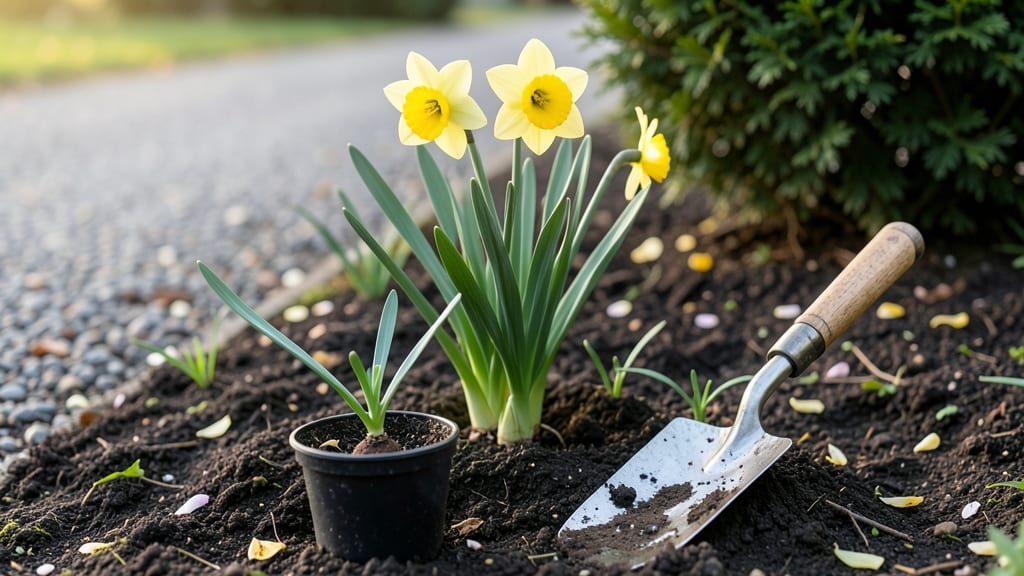
Timing the daffodil growing season right means perfect blooms that outshine every spring neighbor’s yard—matching your zone’s frost dates to the daffodil’s natural rhythm. 🌱 In Zone 5, we plant by mid-October; in Zone 8, it's November.
Too early, and the bulbs rot; too late, and they won't establish roots before winter.
The magic happens underground while you're shoveling snow. Daffodils need 6-8 weeks of cold to set their blooms, so timing is everything. Well-draining soil is non-negotiable—these bulbs hate soggy feet.
I've learned the hard way that amending heavy clay with compost makes all the difference between a thriving clump and a sad, sparse display.
By late winter, you'll spot the first green shoots pushing through. That's when the real excitement begins—those fat, pointed buds mean blooms are just 3-4 weeks away.
The flowers arrive reliably in early spring, often before the lawn even greens up, and they bounce back year after year with almost no maintenance.
This timeline works for both in-ground plantings and containers, though container daffodils need extra winter protection in colder zones. The key is consistency: same spot, same care, and you'll have neighbor-jealousy-level blooms for decades. Here's how to nail every season's steps.
📚 In This Guide
- What you need
- Instructions
- Tips and common mistakes
- Wrapping up and next steps
What you need
- ● Daffodil bulbs: Choose high-quality, disease-free bulbs (e.g., Narcissus varieties). Aim for 3–5 bulbs per container (6"–8" diameter) or 12–15 bulbs per square foot in garden beds.
- ● Well-draining potting mix: 1–2 bags (1–2 cubic feet per container) with perlite or sand (20–30% mix) for aeration.
- ● Container or garden bed: Containers: 6"–8" deep with drainage holes (terracotta, fabric, or plastic). 1–2 containers per section.
- ● Garden beds: Full sun (6+ hours/day) with loose, fertile soil (amend with compost if needed).
- ● Organic fertilizer: Balanced (10-10-10) or bulb-specific (e.g., 1 tbsp per bulb at planting).
- ● Mulch: 2–3 inches of straw or shredded leaves to retain moisture and regulate soil temp.
- ● Hand trowel or bulb planter (for precise planting).
- ● Garden gloves (to protect hands from sharp bulb edges).
- ● Watering can or hose with gentle nozzle (avoid oversaturating bulbs).
- ○ Stakes or supports (optional for tall varieties like Paperwhite or Jonquil).
- ○ Slow-release fertilizer tablets (optional for containers; follow package instructions).
- ○ Soil pH tester (optional; daffodils prefer pH 6.0–7.0).
- ● 🌡️ Chill requirement: Most daffodils need 12–16 weeks of cold (40–50°F) before blooming. Store bulbs in a cool, dark place (like a garage) if planting outside of their zone.
- ● ✨ Drainage is key: Daffodils hate soggy soil. Elevate containers or add gravel/sand layers at the bottom.
- ● 🎯 Bulb depth: Plant bulbs 2–3 times deeper than their height (e.g., 6" deep for 2" bulbs).
Step-by-Step timeline for perfect daffodil blooms
Here's how I time each stage to guarantee vibrant, healthy blooms year after year.
🌱 Step 1: Plant Bulbs in Fall (Zone-Specific Timing)
Daffodils need 6-8 weeks of cool soil temperatures before winter dormancy to establish roots. In Zone 3-5, plant bulbs 6 weeks before first frost (typically mid-October). For Zones 6-7, aim for late October to early November, while Zones 8-10 can plant until December. Choose a site with well-draining soil—daffodils rot in soggy conditions.
Dig holes 6 inches deep and 6 inches apart for single varieties, or 8 inches apart for larger clumps. Plant bulbs with the pointy end up—this ensures proper growth direction. I always add a handful of bone meal to each hole for phosphorus, which encourages strong root development. Water thoroughly after planting to settle the soil.
💧 Step 2: Winter Care (Protect and Observe)
Once planted, daffodils enter dormancy and need no additional watering until spring. In Zones 3-5, mulch with 2-3 inches of straw after ground freezes to insulate bulbs from extreme cold. In Zones 6-10, mulch lightly (1 inch) to prevent soil heaving. Avoid heavy mulch—it can suffocate bulbs and trap moisture.
Watch for squirrels or rodents digging up bulbs in early winter. I’ve lost entire clumps to hungry critters, so I scatter gravel or chicken wire over the bed if animals are a problem. If snow covers the area, it actually helps insulate the soil—just brush it off in late winter to let sunlight warm the ground.
☀️ Step 3: Spring Growth (Water and Fertilize)
When shoots emerge (usually February-March in most zones), water lightly to encourage root growth. Increase watering to 1 inch per week once green leaves appear. Daffodils are drought-tolerant once established, but consistent moisture during stem elongation (when flower stalks form) ensures larger, healthier blooms.
Apply a balanced fertilizer (10-10-10) when shoots are 4-6 inches tall. I use half-strength to avoid burning tender foliage. Avoid high-nitrogen fertilizers—they promote leafy growth at the expense of flowers. Let the leaves yellow naturally after blooming; they photosynthesize energy for next year’s flowers.
✂️ Step 4: Post-Bloom Maintenance (Deadhead and Divide)
Once flowers fade, cut the stalks at the base but leave the leaves intact until they turn brown. This ensures the bulb stores energy for next season. If you’re impatient, I get it—just wait until half the leaves yellow before removing them completely. Over-eager pruning weakens bulbs and reduces future blooms.
Divide clumps every 3-5 years when blooms become sparse. Dig up bulbs in late summer (after foliage dies back), separate offsets, and replant immediately. I’ve found that smaller bulbs (1-inch diameter) produce the most vibrant flowers the following year. Discard soft or moldy bulbs—they won’t regrow.
🌿 Step 5: Summer Dormancy (Prep for Next Season)
Daffodils go dormant in summer, so stop watering once foliage turns yellow. Mulch lightly (1 inch) to retain moisture in the soil. This is also the time to add compost around the bed—it improves soil structure without disturbing the bulbs. Avoid fertilizing in summer, as it encourages late growth that can damage bulbs before winter.
Mark the planting area if you’re unsure where bulbs are located—new gardeners often accidentally dig them up when planting annuals. I use landscape fabric to suppress weeds while keeping the soil loose. By late summer, bulbs are already forming next year’s flowers underground, so minimal care is needed until fall replanting.
Tips & tricks for perfect daffodil blooms
Took me years to perfect these tricks—here's how to avoid the most common pitfalls and get showstopping daffodils every season.
Zone-Specific Planting Precision: The 6-8 week cool soil requirement is non-negotiable for root establishment. In Zone 3-5, I use a soil thermometer to confirm temps are consistently below 60°F before planting—this prevents premature sprouting. For Zones 8-10, plant by December 1st no matter what, as warmer winters can cause early growth. Pro tip: Use a garden calculator to determine your exact frost dates each year.
Winter Protection Hacks: That 2-3 inch straw mulch in cold zones isn't just for insulation—it also prevents soil heaving when temperatures fluctuate. I've found that wrapping bulb beds with frost cloth during extreme cold snaps (below 10°F) gives an extra layer of protection. And here's what nobody tells you: If you get heavy snowfall, don't remove it until late winter—it actually helps insulate the soil.
Spring Growth Optimization: The 4-6 inch shoot height for fertilizing is critical—waiting until stems appear ensures bulbs have established roots. I've discovered that applying a slow-release bulb fertilizer at planting time (in Step 1) eliminates the need for spring feeding entirely. For established beds, I use liquid fish emulsion instead of 10-10-10—it provides the same nutrients without risk of burning.
Division Strategy: Those smaller 1-inch bulbs you're supposed to replant? I've found they produce the most vibrant blooms because they're less stressed than larger ones. When dividing, I separate offsets with at least 3-4 baby bulbs attached—they establish faster. And here's my secret: I store divided bulbs in the fridge (not freezer) for 2 weeks before replanting—they handle transplant shock better.
Pro Tips for Daffodil Growing Season
- Took me years to perfect these tricks—here's how to avoid the most common pitfalls and get showstopping daffodils every season.
- Zone-Specific Planting Precision: The 6-8 week cool soil requirement is non-negotiable for root establishment.
- Winter Protection Hacks: That 2-3 inch straw mulch in cold zones isn't just for insulation—it also prevents soil heaving when temperatures fluctuate.
Frequently asked questions
Got questions about timing, care, or troubleshooting your daffodils?
Here are answers to the most common queries about the daffodil growing season—so you can grow them like a pro!
When is the best time to plant daffodils for spring blooms?
Plant daffodil bulbs 6–8 weeks before the first hard frost in your zone (typically September–November). This gives roots time to establish before winter. For container gardens, use well-draining soil and plant bulbs 3–4 inches deep, with the pointed end up!
Why aren’t my daffodils blooming this year?
Daffodils need 6–8 weeks of chilly weather (40–50°F) to bloom. If your zone is too warm, they may skip flowering. Try planting in a cooler microclimate (like a shaded spot) or mulch heavily. Overcrowded bulbs or poor drainage can also delay blooms—divide bulbs every 3–5 years for better results.
Can I grow daffodils in containers year-round?
Yes! Daffodils thrive in containers if you overwinter them properly. In zones 7–9, move pots to a garage or shed after foliage dies back. In colder zones (3–6), mulch heavily and protect pots with burlap. Use a fast-draining mix (like cactus soil) to prevent rot.
How do I protect daffodils from squirrels and pests?
Squirrels love daffodil bulbs! Plant bulbs deep (8+ inches) or use chicken wire cages around containers. For pests like slugs, apply diatomaceous earth or beer traps. Avoid chemical sprays—daffodils are toxic to pets if ingested.
Should I cut back daffodil leaves after blooming?
No!
Leave foliage until it yellows and dies back naturally (about 6–8 weeks after blooming). This helps bulbs store energy for next year. Only remove spent flower stems to keep the plant tidy.
Wrapping up and next steps
Growing daffodils is a rewarding journey that brings vibrant color to your container gardens—whether you’re in Zone 3 or Zone 10, timing is everything! 🌱 From planting in fall to enjoying blooms in spring, understanding your zone’s timeline ensures healthy, show-stopping flowers.
With the right prep, patience, and care, you’ll turn your containers into a cheerful spring spectacle.
Ready to dive in? Start by checking your USDA zone and mark your calendar for planting—then grab those bulbs and get growing! Your future garden (and pollinators!) will thank you. 🌸