
Advice
Dallas gardening falls under USDA Hardiness Zones 8a and 8b, with average minimum temperatures between 10°F and 15°F (-12°C to -9°C), allowing year-round growth for many tropical and subtropical plants while supporting seasonal vegetables and flowers.
Understanding your Dallas gardening zone unlocks the secret to thriving plants year-round. 🌱 The mild winters and hot summers create ideal conditions for everything from citrus trees to heat-loving vegetables like okra and sweet potatoes.
Zone 8a experiences slightly colder winters than 8b, which can be critical when choosing perennials or tropical plants that need extra winter protection.
Many gardeners in Dallas take advantage of the extended growing season by planting cool-season crops in early spring and fall, while summer heat opens the door for fast-maturing vegetables like beans and cucumbers.
What sets Dallas apart is its microclimates—urban areas can be 5-10°F warmer than rural zones, affecting frost timing. I always recommend checking local weather patterns and planting dates, as they can shift slightly from year to year.
The key is matching plants to your specific microclimate while taking advantage of Dallas's generous growing window.
💡 In This Article
- USDA Zone 8a vs 8b: What It Means for Dallas Gardeners
- Dallas Planting Calendar: When to Start Seeds and Transplant
USDA Zone 8a vs 8b: what it means for Dallas gardeners
The difference between Zone 8a and 8b in Dallas comes down to 10°F—the average annual minimum temperature. Zone 8a experiences 10°F to 15°F (-12°C to -9°C), while Zone 8b stays above 15°F (-9°C). This may seem small, but it determines which plants survive winter.
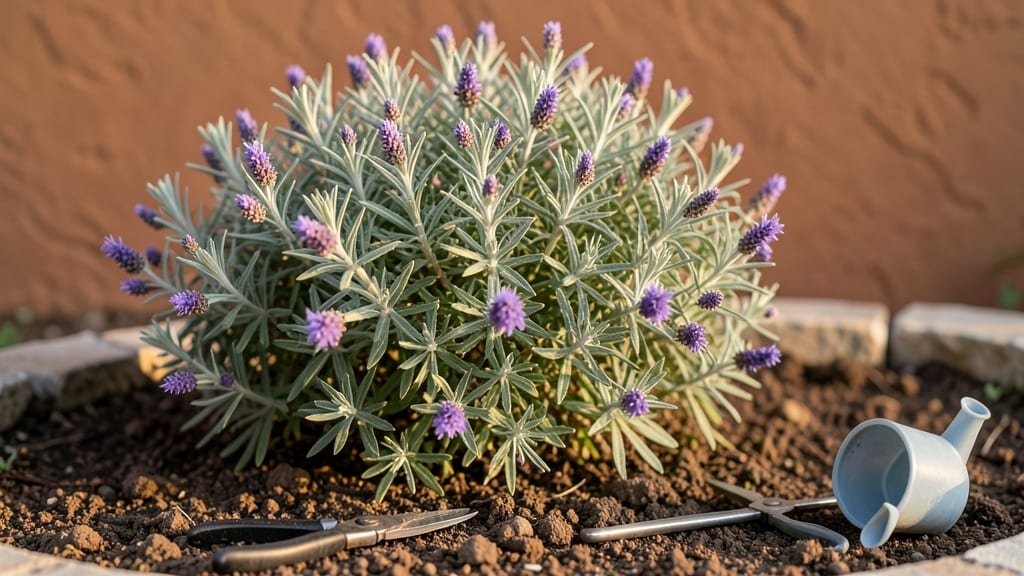
For example, citrus trees like Meyer lemons thrive in Zone 8b but may need winter protection in Zone 8a, where colder snaps can dip below 15°F for brief periods. 🌳 The distinction also affects perennials like salvias and lavender, which may die back in Zone 8a but remain evergreen in 8b.
Frost dates are another critical factor. Dallas typically sees its last spring frost around March 15th, but Zone 8a areas (like northern suburbs) can experience late frosts into early April. Conversely, Zone 8b (southern Dallas) often warms up 2-3 weeks earlier in spring.
This timing shift impacts when to plant heat-sensitive crops like tomatoes and peppers—starting seeds indoors in early March for Zone 8a vs late February for Zone 8b can mean the difference between a thriving harvest and a failed transplant.
The first fall frost usually arrives around November 15th, but urban heat islands can delay it by 1-2 weeks in downtown areas.
Microclimates further complicate the picture. Urban Dallas can be 5-10°F warmer than rural areas due to concrete and asphalt absorbing heat.
This means container gardens on rooftops or patios may support tropical plants like hibiscus that wouldn't survive in-ground in Zone 8a. Conversely, shaded north-facing gardens might experience colder microclimates, requiring extra winter mulch for tender perennials.
The key is observing your specific location—what thrives in your backyard might struggle just a few blocks away. 🌡️
Heat tolerance is equally important. Zone 8b's warmer winters mean summer heat arrives earlier and stays more intense.
Plants like okra and sweet potatoes, which love 90°F+ temperatures, can be planted 2-3 weeks earlier in Zone 8b than in Zone 8a. Even vegetables like basil and cucumbers may bolt (flower prematurely) in Zone 8a's hotter summers, while they remain productive longer in cooler microclimates.
Shade cloth becomes a game-changer for Zone 8b gardeners protecting heat-sensitive greens during peak summer.
For gardeners, this means selecting plants with flexibility. Zone 8a-friendly varieties include cold-hardy vegetables like kale and broccoli that tolerate 20°F dips, while Zone 8b gardeners can experiment with subtropicals like banana plants that need winter protection.
The USDA zone map provides a starting point, but local observations—like tracking your neighborhood's frost dates over 3 years—will give you more precise planting guidance. Many Dallas nurseries now label plants with both zone ranges and microclimate notes to help gardeners navigate these nuances.
One often-overlooked factor is soil temperature. Even in Zone 8b, soil may not warm enough for direct sowing until April 15th, while Zone 8a might need to wait until May 1st.
Using row covers or cold frames can extend the growing season in both zones, but the timing differs. For example, planting squash seeds in Zone 8b by March 20th under covers gives them a head start, while Zone 8a gardeners would wait until April 10th to avoid frost damage.
This precision in timing maximizes your garden's productivity throughout Dallas's long growing season.