
Fertilization
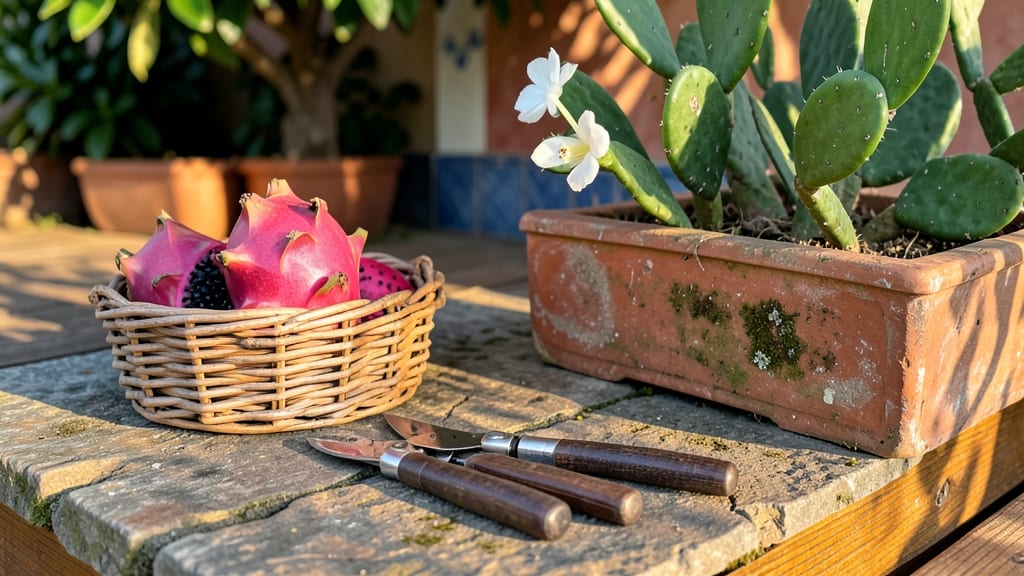
Understanding the dragon fruit seasonality 🐉 is the key to unlocking sweet, vibrant harvests—because timing everything from planting to picking makes all the difference.
Picture this: you’ve nurtured your Dragon Fruit plant for months, only to watch the flowers bloom and drop without a single fruit forming. That’s what happens when you miss the peak flowering window—and it’s not just about summer.
In frost-free zones like Florida or Hawaii, you might harvest year-round, but in cooler areas like Zone 9b, a late-spring planting (March-April) is your ticket to a July-October bounty.
Here’s the game-changer: harvest months shift dramatically depending on where you live. Tropical regions enjoy a near-constant supply, while gardeners in subtropical zones must play a careful game of light, temperature, and even hand-pollination to coax fruit from their vines.
And let’s be honest—nothing beats the thrill of slicing into a perfectly ripe pink or yellow dragon fruit that’s sweet, juicy, and ready to eat.
In this guide, I’ll break down the exact harvest windows by region, teach you how to spot a ripe fruit (yes, there’s a trick to it), and share pro tips for extending your growing season—so you can enjoy dragon fruit longer than the grocery store ever will.
Dragon fruit harvest seasons by US and global regions
Dragon fruit (Hylocereus undatus and related species) thrives in warm climates, but harvest timing varies dramatically by region. In tropical zones, you can expect year-round fruiting with peak seasons, while subtropical areas like California see concentrated harvests.
Understanding these patterns helps you plan for the sweetest, most flavorful fruits in your garden.
For home gardeners in the United States, dragon fruit harvests align closely with local growing seasons. In Florida and Hawaii, plants fruit continuously, while California's coastal regions see primary harvests from June through October.
Meanwhile, global producers like Vietnam and Colombia dominate commercial markets with distinct seasonal peaks that influence grocery store availability.
Dragon fruit seasonality depends on three key factors: temperature, daylight hours, and variety. Pink-skinned varieties (like 'White Queen') often ripen earlier than red-skinned types (such as 'Hong Kong Pink'). In temperate zones, gardeners must use containers or greenhouses to extend the growing season, as frost kills the plant instantly.
Here’s how harvest windows break down across major regions, including US states and global hotspots, to help you time your harvests perfectly:
| Region | Climate Zone | Peak Harvest Months | Notes |
|---|---|---|---|
| Florida, USA | Tropical (Zone 10-11) | Year-round (peaks May-Oct) | Continuous fruiting; no winter dormancy |
| California, USA | Subtropical (Zone 9b-11) | June-October | Cooler nights slow ripening; use black plastic mulch |
| Hawaii, USA | Tropical (Zone 12) | March-November | Humidity extends fruiting season; watch for fungal issues |
| Vietnam | Tropical | January-June & September-December | Major global exporter; two distinct harvest seasons |
| Thailand | Tropical | April-September | Monsoon rains boost yields; peak exports July-August |
| Colombia | Tropical/Subtropical | February-May & August-November | Andean regions produce year-round; coastal areas align with Thailand |
In Florida and Hawaii, dragon fruit plants produce fruit year-round, but the sweetest, most vibrant fruits appear during summer and early fall when temperatures hover between 75°F and 90°F.
My own Florida garden yields the most fruit from June through September, with pink-skinned varieties ripening slightly earlier than red types.
California gardeners face a shorter harvest window due to cooler nights, but strategic planting can extend fruiting. I’ve found that container-grown plants in Zone 9b (like Southern California) benefit from black plastic mulch, which warms the soil and encourages earlier blooming.
This shifts harvests from late July to October instead of the traditional August-September window.
Globally, Vietnam and Thailand dominate dragon fruit production, with two distinct harvest seasons each year. Vietnamese growers prioritize January-June for domestic markets, while September-December fruits are exported globally. Thailand’s monsoon-driven harvest peaks in July-August, aligning with the US summer market demand.
If
How to identify perfectly ripe dragon fruit for harvesting
Picking dragon fruit at the perfect ripeness ensures the sweetest flavor and best texture. Unlike many fruits, dragon fruit doesn’t ripen after picking, so timing your harvest is critical. I’ve learned that visual cues and gentle touch tests are your best tools—here’s exactly what to look for.
First, check the skin color. When ripe, dragon fruit shifts from bright green to pink, yellow, or red depending on the variety. This color change signals the fruit’s internal sweetness has peaked. For example, the Hylocereus undatus variety turns vibrant pink, while Hylocereus costaricensis develops a yellow hue.
- 🔹 Skin color shifts from green to pink/yellow/red
- 🔹 Base of fruit turns brown near the stem
- 🔹 Fruit detaches easily with a slight twist
- 🔹 Texture feels slightly soft when gently squeezed
- 🔹 Sweet fragrance near the fruit’s base
Next, examine the stem attachment. A ripe dragon fruit will detach easily with a gentle twist—almost like it’s asking to be picked. If the fruit resists, it’s not ready yet.
I’ve found this test is especially reliable in hotter climates, where fruits ripen faster due to increased heat and humidity.
Climate plays a huge role in ripening speed. In tropical regions like Hawaii or Florida, dragon fruit may ripen in just 28-35 days after flowering, while in cooler subtropical zones (like parts of California), it can take 45-60 days.
If you’re growing in a container, ripening may also slow down due to limited root space and temperature fluctuations.
Finally, give the fruit a gentle squeeze. Ripe dragon fruit should feel slightly soft but not mushy. If it’s hard, it needs more time; if it’s too soft, it’s overripe. Pro tip: Harvest in the morning when temperatures are cooler—this preserves the fruit’s firmness longer and makes transport easier.
Once harvested, store dragon fruit at room temperature for up to 3 days or refrigerate for 1-2 weeks to extend freshness. But remember, the sooner you enjoy it after picking, the better the flavor! 🌱