
Planting
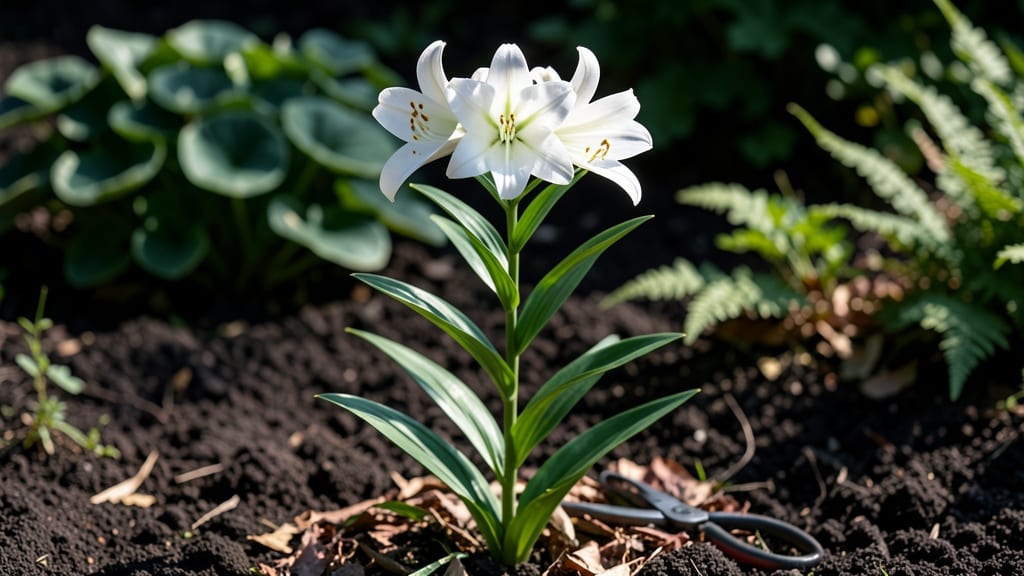
Easter lilies thrive in USDA hardiness zones 3 through 9, where they can handle winter temperatures down to -30°F (-34°C) but often die back above ground in colder regions before regrowing from their hardy bulbs each spring.
Easter lilies are surprisingly resilient in cold climates because their underground bulbs store energy for regrowth.
In colder zones like 3-5, they'll go dormant above ground during winter but bounce back strong once temperatures rise. Mulching with 3-4 inches of straw or shredded leaves can push their survival limits by an extra 5°F, making all the difference in marginal areas.
The key is protecting the rhizomes—they're the powerhouses that keep these beauties coming back year after year. 🌱
What's interesting is how these plants adapt: in zone 9, they might bloom multiple times per season, while in zone 3, they focus all their energy on bulb development.
This natural cycle explains why they're often treated as annuals in colder regions—they simply take a seasonal break rather than dying completely. For gardeners in transitional zones (like 6-7), strategic planting near south-facing walls or under deciduous trees can create microclimates that extend their growing season by weeks.
💡 In This Article
- Understanding Easter Lily Cold Tolerance and Growth Cycles
- Extending Easter Lily Lifespan in Cold Climates: Zone-Specific Care
Understanding Easter lily cold tolerance and growth cycles
Easter lilies exhibit a fascinating survival mechanism through their rhizomatous bulb system, which stores carbohydrates and water to endure harsh winters. The bulbs themselves can tolerate temperatures down to -30°F (-34°C), but the above-ground foliage begins showing frost damage at 25°F (-4°C).
This explains why they appear to "die back" in colder zones—what's actually happening is the plant conserves energy in its protected underground storage organs while the stems and leaves freeze and brown. 🌱 In zone 9, where winters rarely drop below 25°F (-4°C), the lilies maintain perennial growth, blooming repeatedly throughout the year.
The key difference between zones lies in the plant's energy allocation. In zone 3, where winters are severe, Easter lilies prioritize bulb development over foliage growth, storing up to 30% more starch reserves than their zone 9 counterparts.
This adaptation allows them to regenerate quickly in spring. Meanwhile, in warmer zones, the plants focus on continuous flowering rather than energy storage. The rhizomes in colder climates also develop thicker protective layers, similar to how onions build up more papery skins in cooler regions.
This biological strategy explains why they're often treated as annuals in cold areas—they're not dying, they're simply in a prolonged dormancy state.
What most gardeners don't realize is how frost affects different plant parts at varying temperature thresholds. The foliage begins wilting at 28°F (-2°C), while the rhizomes remain viable until 20°F (-7°C).
This explains why you might see brown stems in spring but still get new growth from the same planting. The bulbs' natural antifreeze proteins (similar to those in winter wheat) help prevent ice crystal formation in their cells, which would otherwise rupture membranes.
This molecular-level protection is what allows them to survive temperatures that would kill most tropical plants outright. 💫
When comparing zone 3 versus zone 9 growth cycles, the most striking difference is the bloom timing and frequency. In colder zones, lilies typically produce one main bloom cycle in late spring, timed to coincide with the safest period before hard frosts return.
In zone 9, they may flower three times per season—spring, summer, and fall—because the climate permits continuous growth.
This adaptation explains why gardeners in warmer areas often see their Easter lilies rebloom as "stargazer" or "casa blanca" varieties, while colder-climate gardeners focus on varieties bred specifically for their shorter growing seasons.
The plant's natural dormancy cycle is triggered by day length and temperature cues. As daylight hours shorten in fall, the lilies begin storing energy in their rhizomes, while dropping temperatures below 50°F (10°C) signal the foliage to senesce.
This synchronized response ensures the plant doesn't waste resources on above-ground growth when winter conditions would make survival impossible.
The bulbs' dormancy is so deep that they can remain viable for up to 5 years in the ground if conditions remain favorable, though they typically regenerate annually in optimal conditions. 🌿
Interestingly, the same genetic traits that make Easter lilies cold-hardy also explain their sensitivity to heat stress. While they tolerate winter cold, prolonged exposure to temperatures above 90°F (32°C) can cause rhizome rot, as their natural cooling mechanisms become overwhelmed.
This dual tolerance explains why they thrive in the transition zones (6-7) where they experience both cold winters and warm summers—conditions that mimic their native Japanese mountain habitats where they grow in forest understories with seasonal temperature swings.
Understanding this balance is crucial for gardeners pushing the limits of their hardiness zones.