
Orchid Care
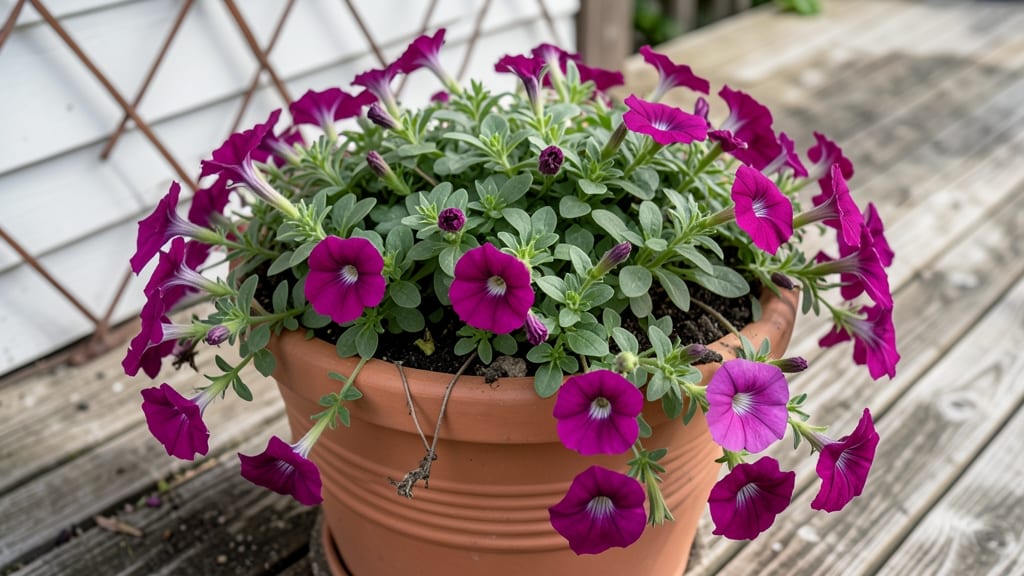
Wave petunias bloom like clockwork every season—easy wave petunias bring cascading color without the fuss of deadheading. 🌸 I’ve grown them in containers for years, and they’ve never failed to deliver nonstop blooms from spring until frost. The secret?
Planting them at the right time and giving them the perfect sunny spot. These petunias thrive in zones 9-11, but even cooler climates can enjoy them as annuals. Start seeds indoors 8-10 weeks before your last frost, or buy sturdy transplants in early spring.
They love full sun (6+ hours daily) and well-draining soil—no fancy amendments needed. Just plant them in containers with drainage holes, and watch them spill over edges with vibrant flowers. By midsummer, your patio or balcony will be a fragrant cloud of blooms in pink, purple, and white.
The key to keeping them flowering is regular watering (keep soil moist but not soggy) and an occasional feed with balanced fertilizer. Deadheading spent blooms isn’t necessary—they self-clean beautifully. For winter, bring containers indoors or mulch heavily if left outside in mild climates.
These petunias are foolproof—even beginners can’t kill them. Ready to add effortless color to your space?
📚 In This Guide
- What you need
- Instructions
- Tips and common mistakes
- Wrapping up and next steps
What you need
- ● Easy Wave Petunia Plants: 3–5 plants per container (choose fragrant varieties like 'Easy Wave Red' or 'Easy Wave Purple' for maximum impact).
- ● Containers: 12–18" diameter pots with drainage holes (fabric grow bags or hanging baskets work too!).
- ● High-Quality Potting Mix: 1 bag (1–2 cubic feet) of well-draining container mix (avoid garden soil—it compacts!).
- ● Slow-Release Fertilizer: 1 lb of balanced 10-10-10 or tomato/vegetable blend granules (mix into soil at planting).
- ● Watering Can or Hose with Nozzle: 1 gallon capacity (preferably with a gentle shower setting to avoid displacing plants).
- ○ Mulch (Optional but Helpful): 1 bag of pine bark fines or coconut coir (1–2" layer to retain moisture).
- ● Gloves: 1 pair (nitrile or leather to protect hands from thorns or soil-borne pathogens).
- ● Trowel or Spade: 1 small hand trowel (6–8" blade) for transplanting.
- ● Pruning Shears: 1 pair (for trimming leggy stems or spent blooms—sterilize with rubbing alcohol!).
- ○ Support Stakes or Trellis: 1–2 lightweight stakes (optional for vertical gardens; use 3–4 ft bamboo stakes or a metal lattice).
- ● Liquid Fertilizer: 1 bottle of water-soluble bloom booster (e.g., Miracle-Gro Bloom) for mid-season feeding.
- ● Pest Control: 1 bottle of neem oil or insecticidal soap (preventative measure for aphids/spider mites).
- ● Sunlight: 6+ hours of direct sunlight daily (partial shade in hot climates like Zone 9+).
- ● Watering Schedule: Commit to daily watering (containers dry out fast!).
- ● Patience: Blooms typically appear 4–6 weeks after planting (but worth the wait!).
Step-by-step guide to growing fragrant wave petunias in containers
Wave petunias are the effortless superstars of container gardening—spilling over edges with vibrant blooms and intoxicating fragrance.
🌱 Step 1: Select the Right Containers and Drainage
Choose containers with at least 12-inch depth and multiple drainage holes—petunias despise soggy roots. I prefer unglazed terra cotta because it breathes, but any durable pot with a saucer to catch excess water works. If your container lacks drainage, drill ¼-inch holes in the bottom and cover them with landscape fabric to prevent soil loss.
Here's the thing—size matters. For 4 plants (our target), a 14-16 inch diameter container gives roots room to spread without competition. Smaller pots mean more frequent watering and fewer blooms. Place a 2-inch layer of gravel in the saucer before adding soil to ensure water drains away from roots.
🌿 Step 2: Prepare Soil and Plant Your Wave Petunias
Fill your container with a lightweight, well-draining potting mix—never garden soil. I blend 50% premium potting mix with 30% perlite and 20% coconut coir for extra air pockets. Moisten the mix until it feels like a wrung-out sponge: damp but not dripping.
Gently remove petunias from their nursery pots and tease apart roots if crowded. Plant them 12-14 inches apart—this spacing prevents overcrowding and ensures each plant gets enough air circulation. Dig holes slightly deeper than the root ball to stabilize stems. Press soil firmly around roots to eliminate air pockets, then water deeply until it flows from the drainage holes.
☀️ Step 3: Position for Maximum Blooms and Fragrance
Wave petunias crave full sun—6+ hours daily—but they’ll tolerate morning sun with afternoon shade in hot climates. Place containers where they’ll spill over edges dramatically, like near patio railings or window boxes. If growing in partial shade, expect fewer blooms but longer stems—rotate the container quarter-turn weekly to prevent lopsided growth.
Watch for leggy stems (thin, stretched growth) if light is insufficient. This is your cue to move the container closer to a south-facing window or supplement with a grow light. Fragrance peaks in the late afternoon, so position containers where you’ll brush past them often—like near seating areas.
💧 Step 4: Water and Feed for Continuous Blooms
Water when the top inch of soil feels dry—usually every 2-3 days in summer, less in cooler months. I water early morning to reduce evaporation and fungal risks. Always water at the base, not overhead, to keep petals dry and prevent powdery mildew. Let excess water drain completely; soggy soil invites root rot.
Feed with a balanced liquid fertilizer (10-10-10) every 2 weeks during the growing season. I mix it at half-strength to avoid burning roots. Deadhead spent blooms weekly by pinching off wilting flowers—this redirects energy to new growth. You’ll see a surge of fresh blooms in 7-10 days if you stay consistent.
✂️ Step 5: Prune and Maintain for All Season Beauty
Trim back overly long stems in early summer to encourage bushier growth. Use clean, sharp scissors to cut just above a leaf node—this prevents ragged edges. If stems look woody or bare at the base, prune back by ⅓ to rejuvenate the plant. Wave petunias are forgiving; they’ll bounce back with new growth in 2-3 weeks.
By late summer, blooms may slow. Give them a light trim (cutting back by ½) and a final fertilizer boost to extend the season. Mulch the soil surface with ½ inch of shredded bark to retain moisture and suppress weeds. With this care, your petunias will bloom until the first frost, rewarding you with fragrant cascades all season long.
Tips & tricks for growing fragrant wave petunias in containers
Here's what nobody tells you about keeping these fragrant beauties thriving all season long.
Container Selection Wisdom: Unglazed terra cotta may be my first choice, but if you prefer plastic or fiberglass containers, just remember they don't breathe like terra cotta. To compensate, add an extra 10% perlite to your soil mix for improved drainage. I've also found that containers with built-in saucers prevent water spills while keeping roots happy—just don't forget to empty excess water after each watering to avoid root rot. The 14-16 inch diameter recommendation isn't arbitrary: it gives your 4 plants enough space to establish strong root systems without competing for nutrients.
Lighting Strategy: That 6+ hours of full sun requirement can be tricky in urban settings. If your balcony only gets morning sun, consider a portable grow light on a timer for 2-3 hours in the afternoon. I've had great success with LED grow lights placed 12 inches above the plants. For partial shade situations, rotate your containers quarter-turn weekly—this prevents lopsided growth by ensuring all sides get equal light exposure. The late afternoon fragrance peak is real, so position containers near seating areas where you'll brush past them often.
Soil Science: The 50-30-20 mix of premium potting mix, perlite, and coconut coir creates the perfect balance of aeration and moisture retention. When mixing, I like to add 1 tablespoon of slow-release fertilizer to each container at planting time—this gives your petunias a nutrient boost without the risk of burning roots. Pro tip: After planting, press the soil firmly around roots to eliminate air pockets, then water until it flows from the drainage holes. This ensures good root-to-soil contact right from the start.
Pruning Precision: When you're pruning back by ⅓ in early summer, aim to cut just above a leaf node where new growth will emerge. I use clean, sharp scissors to make clean cuts that heal faster. For that light trim in late summer, don't be afraid to cut back by ½—this rejuvenates the plant and often results in a second flush of blooms before frost. The 2-3 week recovery time is normal, so don't rush the process. Mulching with ½ inch of shredded bark helps retain moisture and keeps weeds at bay while your plants recover.
Pro Tips for Easy Wave Petunia Season
- Here's what nobody tells you about keeping these fragrant beauties thriving all season long.
- Container Selection Wisdom: Unglazed terra cotta may be my first choice, but if you prefer plastic or fiberglass containers, just remember they don't breathe like terra cotta.
- Lighting Strategy: That 6+ hours of full sun requirement can be tricky in urban settings.
Frequently asked questions
about growing Easy Wave Petunias—because even fragrant climbers need a little extra love! Here are answers to the most common questions to help you keep your containers blooming beautifully.When is the best time to plant Easy Wave Petunias?
Plant them after the last frost in spring (typically late April to early June in most U.S. zones). For containers, you can start seeds indoors 8–10 weeks before the last frost or buy transplants from nurseries. If you’re in a warm climate, fall planting (August–September) also works!
How long does it take for Easy Wave Petunias to bloom?
With proper care, you’ll see colorful blooms in 6–8 weeks after planting. For faster results, choose established transplants instead of seeds. Deadhead spent flowers regularly to encourage continuous blooming all season (spring through frost).
Do Easy Wave Petunias need full sun?
Yes! They thrive in full sun (6+ hours daily), but in hot climates, partial shade (morning sun + afternoon shade) prevents wilting. If growing in containers, ensure they get bright, indirect light to keep foliage lush and blooms vibrant.
What pests or diseases should I watch for?
Common issues include aphids, spider mites, and powdery mildew. Spray plants with neem oil or insecticidal soap for pests. Improve airflow by spacing plants properly and avoid overhead watering to prevent fungal diseases. Remove affected leaves promptly!
Can I grow Easy Wave Petunias in hanging baskets or small pots?
Their trailing habit makes them perfect for hanging baskets, window boxes, or small pots (8–12 inches wide). Use a well-draining potting mix and fertilize every 2–3 weeks. For extra drama, mix them with calibrachoas or lobelias in cascading displays.
Do Easy Wave Petunias survive winter?
No—they’re annuals and die back with frost. In mild winters (zones 9–11), they may linger until temperatures drop below 30°F. Save seeds or start fresh next season! For year-round color, try winter-blooming alternatives like pansies or violas.
Pro Tip: Pinch back leggy stems early to encourage bushier growth and more blooms!
Wrapping up and next steps
Embrace the easy wave petunia season with confidence—these fragrant climbers are perfect for adding vibrant color and effortless charm to your containers! 🌸 Whether you're a seasoned gardener or just starting, their low-maintenance nature makes them a dream for any space.
Now that you’re equipped with the right tips, grab your supplies and start planting—your balcony or patio is about to get a stunning upgrade!
Ready to dive in? Pick your containers, choose your varieties, and let the growing begin! Happy gardening! 🌱