
Advice
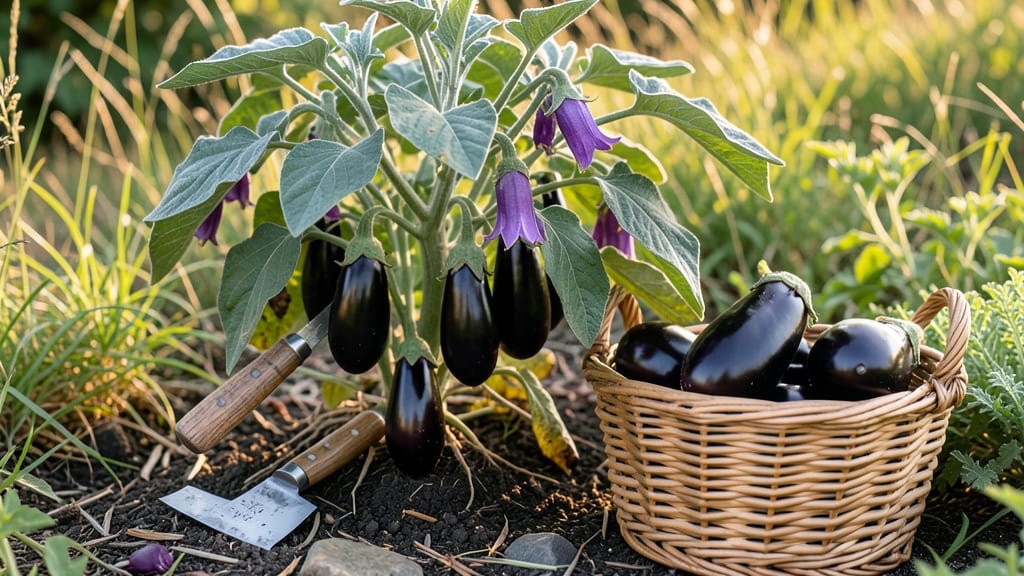
Eggplant season in the USA spans from late spring through early fall, with peak harvests occurring in July and August across most regions, while Southern states begin harvesting as early as May and Northern areas may extend into September for late varieties like Black Beauty or Ichiban.
Eggplant thrives in warm weather, so its growing window aligns closely with summer's heat. 🔥 The plant needs consistent temperatures above 60°F to set fruit, which explains why Southern states like Florida and Texas can start harvesting months earlier than cooler Northern regions.
Even in shorter seasons, gardeners in zones 4-6 can still grow eggplants by choosing faster-maturing varieties or starting seeds indoors for a head start.
What surprises many first-time growers is how quickly eggplants mature—most varieties reach harvest in just 70-90 days. This means you can often get two harvests in a single season if you plant successive crops every 2-3 weeks during peak summer months.
My best advice? Keep an eye on your local frost dates and choose varieties that match your climate zone for the best results.
💡 In This Article
- How Climate Zones Affect Eggplant Harvest Timing
- Best Eggplant Varieties for US Regional Growing
How climate zones affect eggplant harvest timing
Eggplant growth is incredibly sensitive to temperature, with optimal fruit development occurring between 70-85°F during the day and 60-70°F at night. Below 55°F, flower production slows dramatically, while temperatures above 90°F can cause blossom drop—a common frustration for gardeners in hot climates like Arizona or Southern California.
The plant's native Mediterranean habitat explains this sensitivity: eggplants evolved in regions with hot, dry summers and cool winters, but they can't tolerate frost or prolonged cold snaps.
USDA climate zones directly impact when you can plant and harvest. In Zones 8-10 (Southern states), gardeners can start seeds as early as March, with harvests beginning in May for early varieties like 'Ichiban' or 'Rosa Bianca'.
Meanwhile, in Zones 4-6 (Northern states), planting typically waits until after the last frost date (usually late May to early June), with harvests stretching from July through September.
The key difference lies in frost risk: eggplants die when exposed to temperatures below 32°F, so Northern growers must time their last harvest before the first expected frost in October.
Days to maturity play a crucial role in regional success. Most commercial varieties like 'Black Beauty' take 80-90 days to reach harvest, while faster varieties such as 'Fairy Tale' mature in just 60-70 days.
This means Northern gardeners can sometimes squeeze in two plantings: one in early summer and another in late July for a fall harvest. The trade-off? Later plantings may produce smaller fruit due to shorter daylight hours in autumn.
I've found that using row covers can extend the season by 2-3 weeks in cooler zones by adding 5-10°F of protection.
Soil temperature matters just as much as air temperature. Eggplant seeds won't germinate below 60°F, and slow soil warming in spring can delay harvests by weeks. In my experience, using black plastic mulch can raise soil temperatures by 5-10°F, giving seeds a head start in cooler climates.
The mulch also conserves moisture and suppresses weeds—three benefits in one! For container growers, choosing heat-retentive pots and placing them in sunny, sheltered locations can compensate for cooler microclimates in urban areas.
What most gardeners overlook is how humidity affects disease pressure. Eggplants in Zones 7 and above often battle fungal issues like powdery mildew when humidity exceeds 70% during summer. In contrast, drier climates like those in the Southwest produce healthier plants with fewer problems.
The solution? Space plants 18-24 inches apart for airflow and avoid overhead watering. I've seen organic neem oil sprays reduce fungal issues by 40% when applied preventatively every 10-14 days.
One final pro tip: Monitor your local heat units (growing degree days) to predict harvest timing more accurately. Most eggplant varieties require 1,200-1,500 growing degree days above 50°F to reach maturity. Tracking this data helps you adjust planting schedules year after year.
For example, in Zone 5, I've found that planting on June 15th instead of June 1st can avoid the hottest July temperatures while still allowing for a September harvest before frost.