
Container Gardens
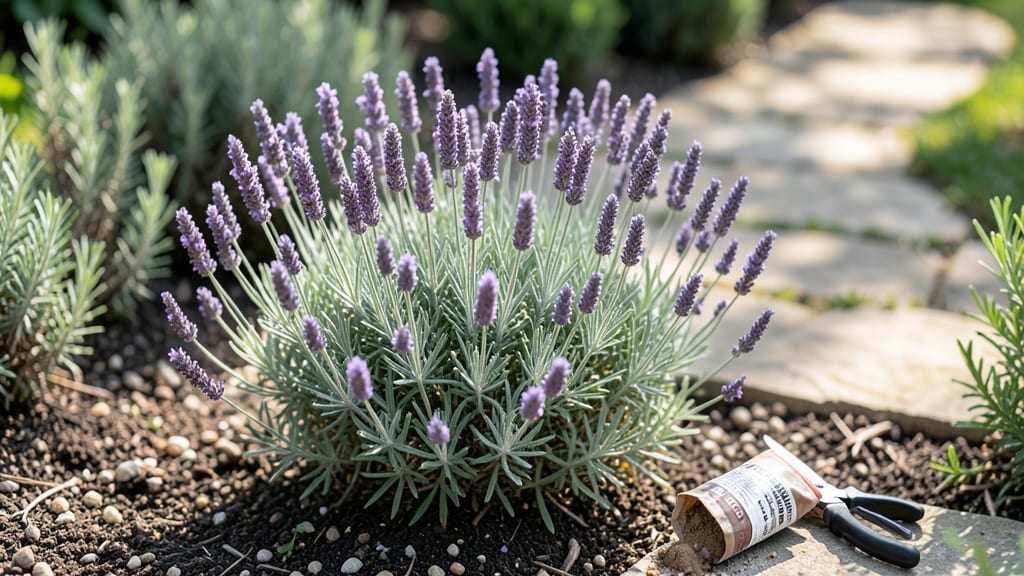
English lavender grows best in USDA Hardiness Zones 5 through 9, where it can withstand winter temperatures down to 10°F (-12°C), though sheltered microclimates may allow Zone 4 cultivation.
Understanding these growing zones helps you choose the right location for your lavender. Zones 5-9 provide the ideal balance of warmth in summer and cold tolerance in winter, which is crucial for this Mediterranean plant. 🌿 In colder regions like Zone 4, planting near south-facing walls or using protective mulch can create a microclimate that mimics its natural habitat.
The key is ensuring good drainage and full sun exposure—both critical for preventing root rot and encouraging strong growth.
For gardeners in warmer climates (Zones 10+), shade cloth and afternoon shade can prevent heat stress, while well-draining soil remains essential. The plant’s hardiness isn’t just about temperature—it’s also about humidity and soil conditions. Lavender thrives where summers are dry and winters are cold but not freezing for extended periods.
💡 In This Article
- Understanding English Lavender’s USDA Zone Requirements
- Best Practices for Growing English Lavender Outside Its Ideal Zone
Understanding English lavender’s USDA Zone requirements
The USDA zones for English lavender—5 through 9—reflect its Mediterranean origins, where summers are hot and dry while winters provide a sharp contrast with cold but brief freezes.
This plant evolved to handle 10°F to 30°F (-12°C to -1°C) during winter dormancy, but prolonged exposure to sub-zero temperatures damages its woody stems and roots. The key lies in its ability to enter dormancy when temperatures drop, conserving energy until spring warmth triggers regrowth.
Within these zones, regional climate variations matter significantly. Coastal areas in Zone 9 (like Southern California) experience milder winters with less extreme cold snaps, while inland regions in Zone 5 (such as parts of New York) face harsher winters with deeper freezes.
English lavender’s cold tolerance is also influenced by soil moisture—wet, heavy soils can cause root rot even in cold climates, while well-drained, sandy soils mimic its natural habitat and improve survival rates. 🌡️ The plant’s hardiness isn’t just about temperature extremes but also about the duration of cold exposure; brief cold snaps are less damaging than prolonged sub-freezing conditions.
What most gardeners don’t realize is that English lavender’s growth cycle is tightly linked to temperature thresholds. In Zone 6, for example, it may experience 50-70 frost-free days annually, which is ideal for its dormancy needs.
However, in Zone 7, the longer growing season can lead to overgrowth if not pruned properly, while Zone 5’s shorter season requires more careful timing for planting and harvesting.
The plant’s natural response to temperature shifts—such as flowering in response to cooler spring nights—also varies by zone, affecting when and how vigorously it blooms.
For a deeper dive into the science, English lavender’s cold hardiness is tied to its antifreeze proteins, which prevent ice crystal formation in its cells.
These proteins are most effective when the plant is fully dormant, which is why late autumn planting (after the first frost) gives roots time to establish before winter. In contrast, planting in early spring risks exposing tender new growth to unexpected late frosts, which can be fatal.
The plant’s ability to regenerate from its base also plays a role in its resilience—even if the top growth dies back in harsh winters, the roots often survive to sprout anew in spring.
Consider these zone-specific details when planning your garden:
- Zone 5: Plant near south-facing walls or use 3-4 inches of mulch to insulate roots from ground-level cold
- Zone 7: Provide afternoon shade in summer to prevent heat stress, which can scorch leaves
- Zone 9: Ensure excellent drainage to prevent root rot from winter rains combined with mild temperatures
One often-overlooked factor is how English lavender’s growth habits change with zone. In warmer zones (8-9), it may grow more vigorously but require more frequent pruning to maintain its compact form, while in cooler zones (5-6), growth is slower but the plant’s natural hardiness reduces maintenance needs.
The trade-off between growth rate and hardiness is a critical consideration for long-term cultivation success. 🌿